
[The Fragile Ladder: How Billionaires Are Rethinking Their Children's Futures Amid Market Uncertainty]-[Why Billionaires Are Worried Their Kids Won't Keep Jobs In Today's Market]
📋 Summary
The Erosion of the Traditional Career Ladder
In the current economic climate, the traditional path to professional success—long considered a guaranteed trajectory for the affluent—is showing signs of structural failure. Patrick Dwyer, a wealth manager for high-net-worth individuals, notes that clients with fortunes ranging from $100 million to over a billion dollars are increasingly anxious about the futures of their children, specifically those aged 22 to 35. These parents, who once relied on a reliable "formula" of prestigious schooling and internships at high-profile firms like Goldman Sachs, are witnessing the collapse of the "old career ladder."
The Disruptors: AI and Economic Stagnation
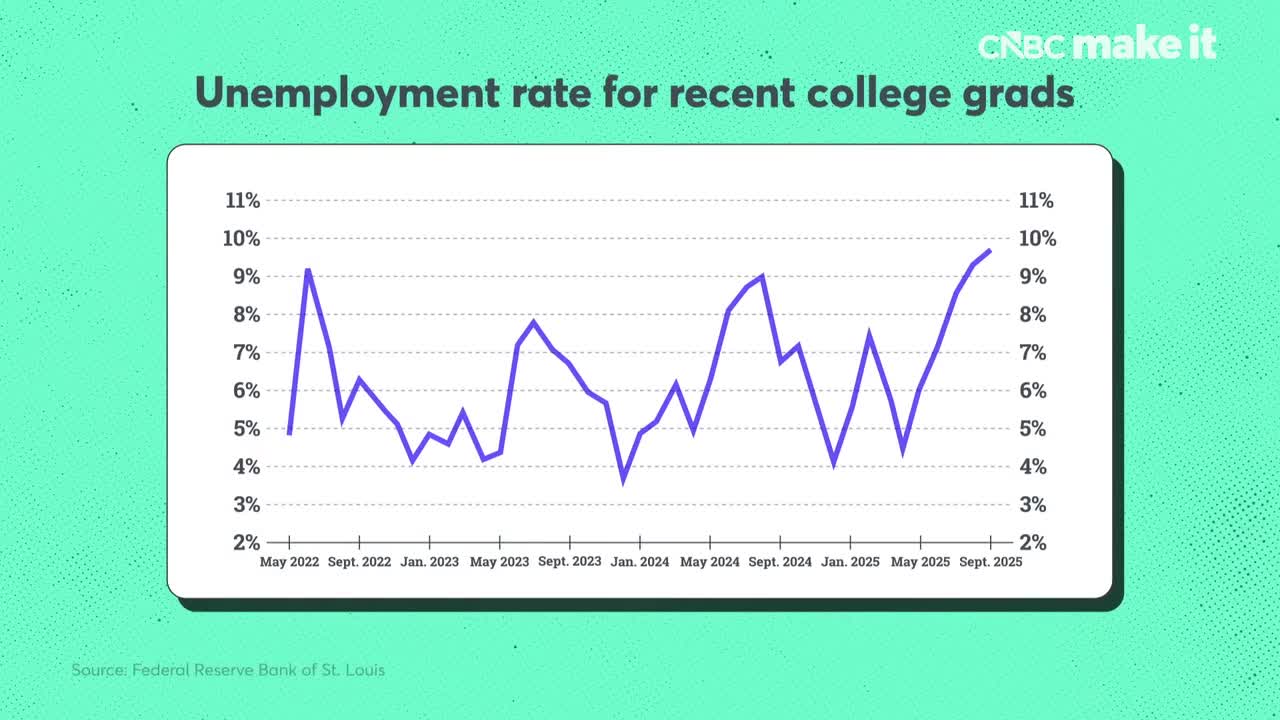
The anxiety stems from a broader reality: the job market is becoming increasingly inhospitable. Recent data indicates that the unemployment rate for college graduates has been climbing for three consecutive years, and 2025 marked the weakest year for US job creation since 2009 (excluding the pandemic year of 2020). Experts attribute this instability to two primary factors:
- AI as a Market Disruptor: There is a palpable fear that even traditionally "safe fields" like medicine, law, and technology are susceptible to being "plateaued, disrupted, or even replaced by AI."
- Economic Constraints: The rising cost of living is causing workers to "cling on to their current jobs," which further stagnates opportunities for new entrants.
The Shift in Wealth Management Strategy
For the ultra-wealthy, the concern is not about poverty; it is about "economic efficiency." They are wary of investing vast amounts of "money and resources and time" into their children’s training and education if those efforts lead to a professional dead end. Consequently, the strategy for wealth preservation and career sustainability is shifting.
Wealthy parents are now contemplating "retiring later" or "investing more bullishly" to ensure they can provide a larger financial safety net for their children. The goal is to provide enough capital to sustain their offspring should their careers fail to yield long-term stability or force them to make "lifestyle sacrifices."
Entrepreneurship as the New High-Stakes Gamble
Perhaps the most significant pivot in the strategy of the ultra-wealthy is the move toward entrepreneurship. While starting a business is widely viewed as a "low-paying, time-intensive endeavor with a high failure rate," it is increasingly being framed as the most viable path for the next generation.
Unlike the average American for whom a startup is a "risky career proposition," the children of the ultra-wealthy possess a unique advantage: the capital to experiment. They have the financial runway to "start and shutter multiple startups" before achieving success. While billionaires are certainly navigating the same "uncertain job market" as the rest of the population, their ability to treat professional life as a "high risk, high reward endeavor" underscores the widening gap in how different classes mitigate the risks of a rapidly changing, AI-driven economy.
Deep Learning with ListenLeap


