[亿万富翁的焦虑:当传统职业阶梯崩塌,财富家族如何为子女重塑未来]-[Why Billionaires Are Worried Their Kids Won't Keep Jobs In Today's Market]



📋 Summary
亿万富翁的焦虑:当传统职业阶梯崩塌,财富家族如何为子女重塑未来
当前美国就业市场的动荡已不再仅仅是普通工薪阶层的困扰,这种不确定性甚至蔓延到了社会的顶层。正如播客中所指出的,"A lot of Americans are worried about the job market right now, and even billionaires are worried about their kids' futures."(许多美国人正在担心当前的就业市场,甚至连亿万富翁也在为孩子的未来感到担忧)。这一现象揭示了一个深刻的经济现实:在人工智能颠覆和经济效率至上的双重夹击下,传统的职业成功公式正在失效。
传统职业路径的断裂
长期以来,富裕家庭子女的职业发展遵循着一套相对固定的“公式”。据财富管理专家 Patrick Dwyer 观察,这些孩子通常会"get into prestigious schools, lean on their connections and then land internships at high profile companies"(进入名校,依靠人脉关系,然后在高盛等知名公司获得实习机会)。随后,他们利用这些教育背景和人脉资源,"work their way up the career ladder"(沿着职业阶梯向上攀升)。
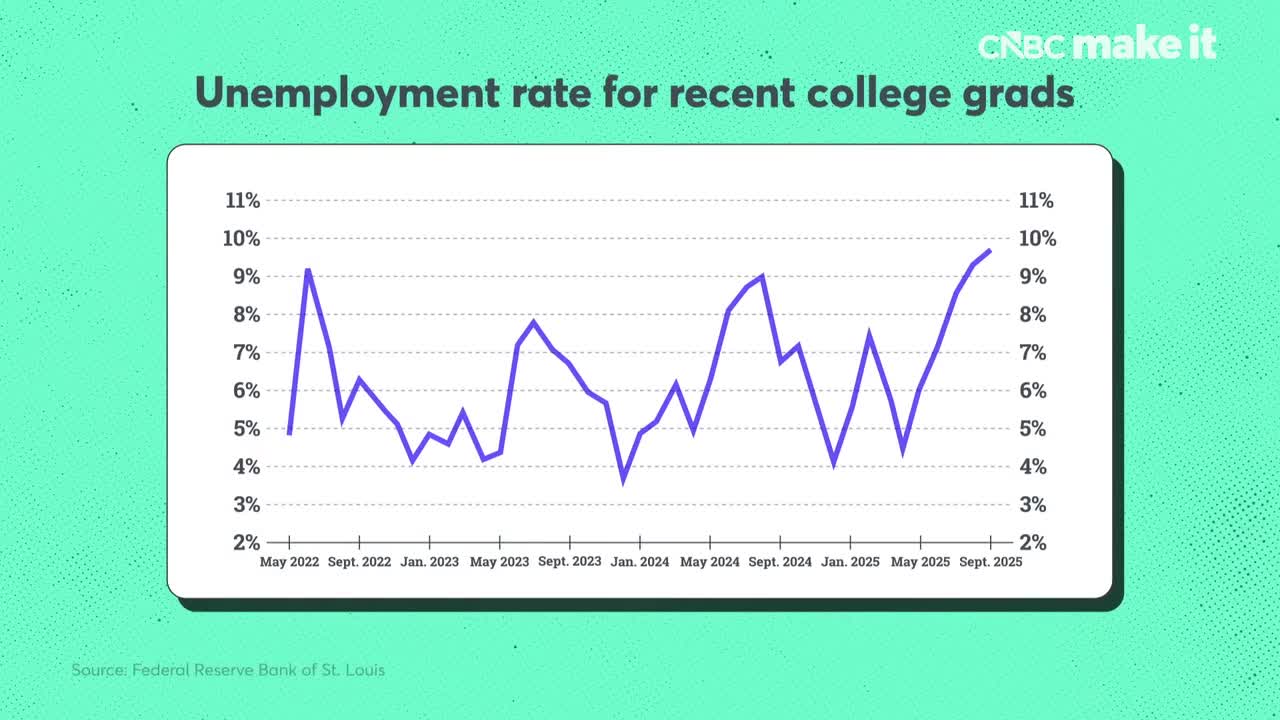
然而,这套曾经行之有效的机制正在瓦解。Dwyer 的客户们,那些净资产在 1 亿至 10 亿美元以上的超级富豪,日益担忧他们的子女(主要是 22 至 35 岁之间)无法在科技、医疗和法律等传统安全领域维持长期的职业生涯。这种担忧并非空穴来风,数据显示,"The unemployment rate for recent college graduates has been growing for the last three years"(过去三年应届大学毕业生的失业率一直在上升),且 2025 年成为了自 2009 年以来( excluding 2020)美国就业创造最疲软的一年。
对“经济效率”而非“破产”的恐惧
值得注意的是,超级富豪们的焦虑核心并非财务危机。播客明确指出,"This isn't a major financial strain for many of them"(这对他们中的许多人来说并不是重大的财务压力)。他们真正担心的是资源的配置效率,即所谓的"economic efficiency"。
富豪父母们不愿再将大量的金钱、资源和时间投入到子女的教育或早期职业生涯中,如果这些投入最终会因为职业发展的"plateaued, disrupted or even replaced by AI"(停滞、被颠覆甚至被人工智能取代)而付诸东流。这种对投资回报率的考量,反映了精英阶层在面对技术变革时的理性计算:当传统的晋升通道变得不可预测时,继续沿袭旧路被视为一种低效的资源浪费。
战略转型:从打工到创业
面对"old career ladder is starting to break"(旧的职业阶梯开始断裂)的现实,超级富豪们正在调整策略以确保财富的代际传递和子女的可持续发展。一方面,他们考虑"retiring later or investing more bullishly"(延迟退休或更激进地投资),以便积累更多资金留给后代;另一方面,他们大力推动子女转向创业领域。
虽然对于大多数美国人而言,"Entrepreneurship is often considered a low-paying, time-intensive endeavor with a high failure rate"(创业通常被认为是一项低收入、耗时且失败率极高的努力),但在富裕家庭中,这被重新定义为一种"high risk, high reward endeavor"(高风险、高回报的努力)。
Patrick Dwyer 指出,超级富豪的子女拥有普通人难以企及的优势:"They can start and shutter multiple startups before one even starts to turn a profit"(他们可以在任何一个项目开始盈利之前,启动并关闭多个初创企业)。这种容错能力使得他们能够承担巨大的职业风险,通过不断的试错来寻找新的增长点,而这正是普通家庭难以模仿的奢侈。
结语:不平等的赌博资本
归根结底,尽管亿万富翁面临着与我们相同的"uncertain job market"(不确定的就业市场),但他们拥有更多的资本去"gamble"(博弈)。当普通人必须在单一的职业生涯中求稳时,富裕阶层却能利用雄厚的资本储备,将子女的职业探索变成一场可以多次重来的实验。这不仅改变了财富家族的传承逻辑,也进一步拉大了不同阶层在应对未来经济不确定性时的能力差距。在这个AI重塑一切的时代,金钱不仅意味着生活保障,更意味着拥有尝试失败的特权。