One of my classmates, he was able to get me a meeting with the big boss, Lior Cohen.
I took a mega bus from DC to New York.
We sit down and I played him a verse, chorus of one song.
And then I started to play the beginning of a second song.
And he cut me off and he was like, why am I here?
And I was like, to hear my music?
He was like, no, I mean, this is a waste of my time.
You're not ready yet.
And he got up and he left the meeting.
I got literally two minutes with him and it was over.
Hey you!
Yes, you.
Is there music inside of you?
We've recruited working musicians from throughout the industry to help you hear it, hold it and share it with this wild and wonderful world.
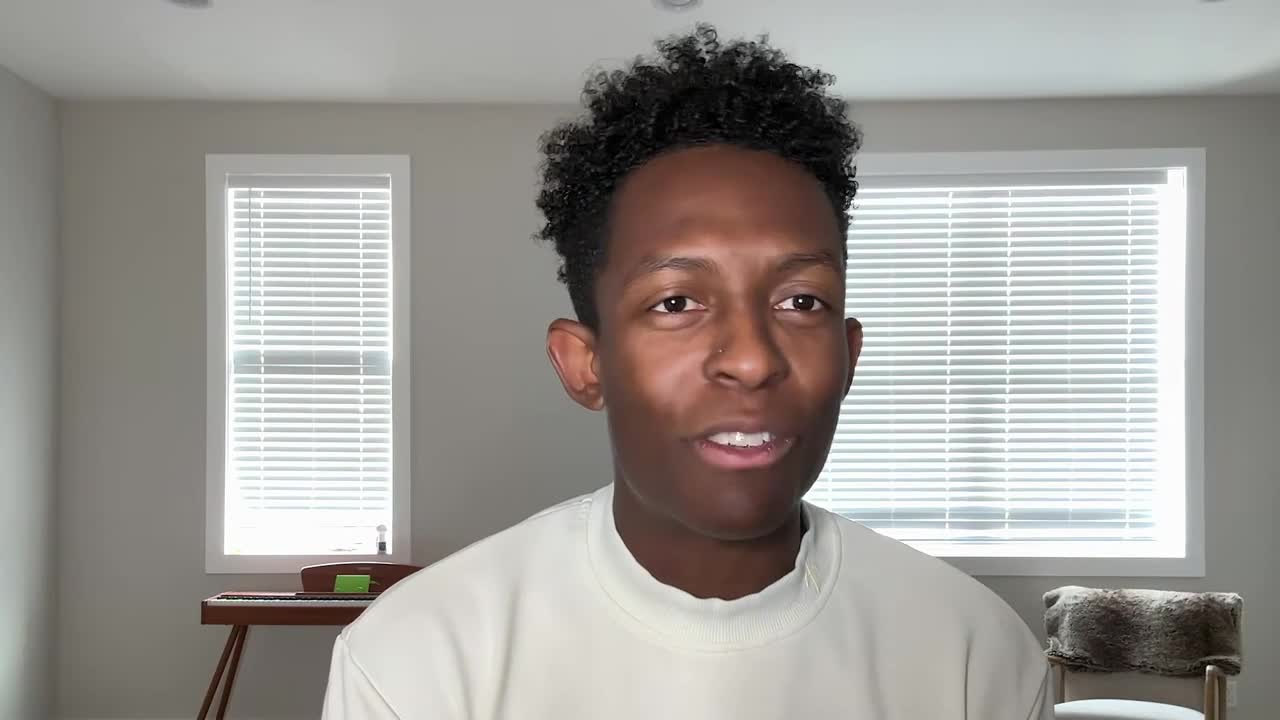
Hi, my name is Daniel Breeland.
I professionally go by Breeland.
I am a singer, songwriter, and producer originally from New Jersey.
I live in Nashville and the genres that I usually play in are country music RB hip-hop, gospel that day with Lior Cohen.
I got back on the mega bus and went back to DC.
And I was devastated for a good week because I was like, I'm 19.
I've been making music for five years.
I got a meeting with the guy that's supposed to be the guy.
And he said it wasn't it.
And so I'm just trying to figure out what my next steps should be.
I decided to double down and I ended up buying some equipment.
And I was like, look, I'm going to write and record a song every day until I get better.
And so from that day in October of 2014, for the next year, I wrote and recorded a good 365 songs.
And the following year, The songs had definitely gotten marginally better.
And so I said okay well, this next year, now my junior year, I said I'm gonna write and record two songs a day.
Now at this point, I'm pretty much, I'm barely going to class.
Now I've got two songs a day.
So now, halfway into that second year, I've got 700 plus songs and nobody to really listen to any of them.
And so I started reaching out kind of cold calling people in the industry songwriters producers managers, ARs.
Arnie's friends, I mean, they received an email, a DM, a tweet.
I might have written a couple of handwritten letters if there was an address to a record label and literally just trying to reach out to as many people as I could to see if I could get any feedback.
Really, that was the year that I made the biggest jump, because I started getting feedback where I was like okay, cool.
There are people in the industry that have given me some insight on how songs are actually written and where I'm falling short.
Writer's block is real.
You know, inspiration can strike at any moment, but you can also lose inspiration on something in any moment.
And I think that's okay.
Because I've written so many songs and because I was so dedicated for all of those years that I was writing songs every day and no one was hearing any of them.
I understand that there are songs that people are never going to hear.
And so I'm not afraid to step away from a song entirely and say hey, if it's not happening for this song on this day, that's okay.
I think the right way to produce a song is to listen to the song and give the song what it needs.
And that requires a level of humility.
You may think OK well, this is what it needs to do, because I've done this before and I know that that works.
But sometimes it's being able to say hey, maybe it's something that I've never thought of before and maybe it's something that's going to come to me in its own time.
And you can't rush the creative process.
A lot of times you literally have to step back from it and say, how can I be in service to the song?
For me, stepping back to gain perspective on a song, it can come in a few different ways.
Sometimes it's me listening to the song a bunch, and sometimes it's me not listening to the song at all, literally letting it sit for a few days or a week, working on some other music and then coming back to it.
Sometimes it's playing the song around other people.
It's not an exact science.
Part of it is just being receptive to the fact that it might look totally different on one song than it does on another song.
You might get to that finished product the day that you write it.
And then there's other songs that might take you months or even years, And I don't think either of those is wrong.
It just literally depends on how it comes to you and where your inspiration arrives from.
For me, it's just recognizing that it's not always going to go exactly the way I want.
And that even those quote unquote, duh songs are the ones that don't get finished.
You know, they still help inform the way that I write songs in the future.
And I think you know those great songs that you end up getting.
Oftentimes you would not get those songs if it weren't for the songs that you feel like you missed or that you didn't get it.
And so just trying to continue to encourage yourself and not get too down on yourself because something isn't going at the speed that you want or, you know, coming together in quite the way that you want.
You know, you will eventually get to the songs that you really want if you just continue to work on it.
For more insights from beloved working artists on what it means to think like a musician, check out another episode in this series.