[보라색은 어떻게 페미니즘의 상징이 되었는가: 역사적 기원과 현대적 의미]-[Why has purple become the colour of feminism?]



📋 Summary
보라색은 어떻게 페미니즘의 상징이 되었는가
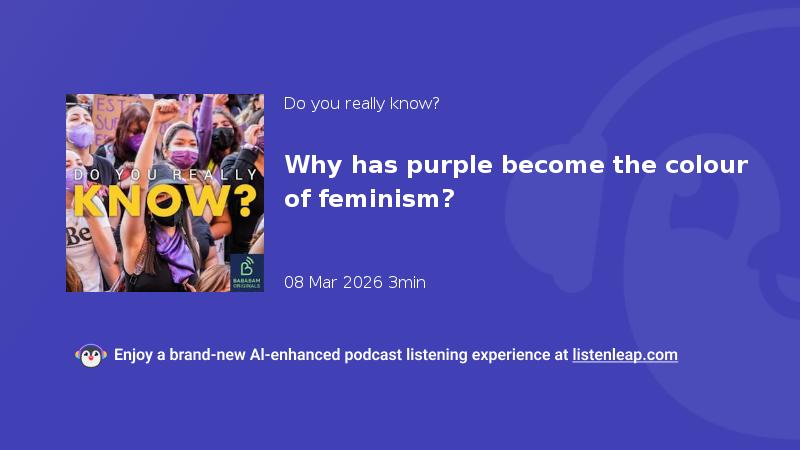
오늘날 세계 여성의 날(International Women's Day)이 되면 거리 곳곳에서 보라색 깃발과 리본을 쉽게 찾아볼 수 있습니다. 비록 공식적인 세계 여성의 날 상징색은 보라색, 흰색, 녹색 세 가지이지만, 현대에 이르러 보라색은 페미니즘을 대표하는 '논쟁의 여지가 없는(undisputed)' 색상으로 자리 잡았습니다. 2021년 카멀라 해리스(Kamala Harris) 부통령이 취임식에서 보라색 코트를 착용한 것, 그리고 힐러리 클린턴과 질 바이든 등이 중요한 행사에서 보라색 의상을 선택한 것은 이러한 상징성을 극명하게 보여줍니다.
1. 서프러제트(Suffragettes)와 보라색의 기원
보라색이 페미니즘의 상징으로 쓰인 것은 20세기 초로 거슬러 올라갑니다. 당시 영국에서 여성 참정권 운동을 이끌던 '여성사회정치연합(Women's Social and Political Union)'은 1907년 '여성에게 투표권을(Votes for Women)'이라는 신문을 창간했습니다. 이 조직의 주요 인물인 에멀린 페식 로렌스(Emmeline Pethick Lawrence)는 보라색을 선택한 이유를 다음과 같이 설명했습니다. "보라색은 왕실의 색이며, 모든 서프러제트의 혈관에 흐르는 왕족의 피, 즉 자유와 존엄에 대한 본능을 상징한다."
이러한 상징적 의미 외에도 실용적인 이유가 있었습니다. 19세기 후반, 보라색은 합성 염료의 발달로 대중에게 비교적 저렴하게 공급되었기에 많은 여성이 이미 보라색 의류를 소장하고 있었습니다. 또한, 특정 정당과 연관되지 않은 독립적인 색상이었기에 페미니즘 투쟁을 식별하는 '뚜렷한 식별자(distinct identifier)'로서 적합했습니다.
2. 젠더 규범에 대한 도전과 현대적 재해석
현대에 와서 보라색은 단순한 역사적 상징을 넘어 더 깊은 의미를 획득했습니다. 우선, 보라색은 무지개 깃발에 포함된 색상으로서 '포용적인(inclusive)' 색으로 인식됩니다. 또한, 전통적으로 여성성을 상징하던 부드러운 파스텔 톤과 대비를 이루며, 남성을 상징하는 파란색과 여성을 상징하는 분홍색을 혼합함으로써 기존의 '가부장적 규범(patriarchal norms)'에 대안을 제시합니다.
3. 역사적 갈등: '라벤더 위협(Lavender Menace)'과 재전유
보라색의 여정이 순탄하기만 했던 것은 아닙니다. 1960년대와 70년대, 미국의 제2물결 페미니즘 시기에는 '라벤더 위협(Lavender Menace)'이라는 용어가 등장하며 내부적인 갈등을 겪기도 했습니다. 이는 당시 부상하던 레즈비언 페미니즘 운동을 경계하는 시각에서 비롯되었습니다. 보라색은 고대 그리스 시인 사포(Sappho)와의 연관성 때문에 레즈비언을 상징하는 색으로 여겨졌기 때문입니다. 그러나 레즈비언 활동가들은 오히려 보라색을 적극적으로 재전유(re-claim)함으로써 넓은 페미니즘 운동 내에서 자신들의 존재를 확고히 드러냈습니다.
4. 결론: '퍼플 워싱(Purple Washing)'을 경계하며
오늘날 보라색은 페미니즘의 핵심 상징이 되었지만, 우리는 '퍼플 워싱(purple washing)'의 위험을 경계해야 합니다. 이는 기업들이 성평등을 위한 실질적인 행동은 취하지 않으면서, 그저 페미니즘 상징만을 이용해 마케팅에 활용하는 행태를 뜻합니다. 보라색이 가진 진정한 의미를 이해하고, 그 속에 담긴 자유와 존엄, 그리고 투쟁의 역사를 기억하는 것이 중요합니다.