
[The Evolution of Purple: From Suffragette Symbol to Feminist Icon]-[Why has purple become the colour of feminism?]
📋 Summary
The Historical and Symbolic Significance of the Color Purple in Feminism
The Emergence of Purple as a Feminist Emblem
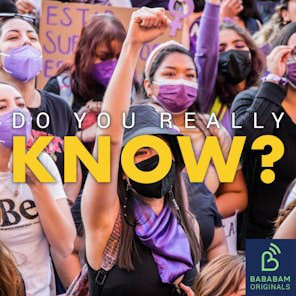
While International Women's Day officially recognizes a trio of colors—purple, white, and green—purple has undeniably emerged as the "undisputed colour of feminism" in contemporary society. This is frequently observed during International Women's Day celebrations, where demonstrators utilize "purple flags" and "purple ribbons" to signal their commitment to gender equality. The color's prominence in high-profile political moments, such as Kamala Harris wearing a "purple coat" during her 2021 inauguration, alongside similar choices by Hillary Clinton and Jill Biden, underscores its status as a powerful visual signifier of female leadership and political weight.
Historical Roots: The Suffragette Movement
The association between purple and women's rights dates back over a century to the early 20th century, when "suffragettes in the UK" first adopted the color. A pivotal figure in this movement, Emmeline Pethick Lawrence, who founded the newspaper Votes for Women in 1907, provided the foundational justification for the choice. Writing in 1908, she described purple as the "royal colour," symbolizing the "royal blood that flows in the veins of every suffragette" and representing the "instinct of freedom and dignity."
Beyond ideology, there were pragmatic factors for this selection. Purple was one of the few "synthetic dyes" available in the 19th century, rendering it an "affordable" option for many women. Furthermore, because it lacked ties to existing political parties, it served as a "distinct identifier" that allowed the feminist struggle to stand apart.
Philosophical and Modern Symbolism
In the modern era, the color's significance has evolved to encompass broader themes of inclusivity and gender non-conformity. Purple is celebrated as an "inclusive color" that features prominently in the rainbow flag. It serves as a visual foil to the "pastel shades" traditionally linked to femininity, which are often characterized by their "softness." By blending blue and pink—colors historically "assigned to genders"—purple acts as a potent "alternative to patriarchal norms," challenging the binary structures that have long dominated societal expectations.
The Complexity of the 'Lavender Menace' and Reclaiming History
Purple’s history within feminism has not been without conflict. During the "second wave" of feminism in the 1960s and 70s, the color became a site of tension regarding the "Lavender Menace," a term used by some activists to express anxiety over the growing visibility of the lesbian feminist movement. This association was rooted in the history of the ancient Greek poet Sappho, who, according to legend, was bisexual. Despite the initial pushback, lesbian activists successfully "re-claimed purple" to assert their visibility and essential place within the broader feminist struggle.
Contemporary Warnings: The Threat of 'Purple Washing'
As purple continues to be a dominant symbol, the podcast highlights a modern concern: "purple washing." This term describes a phenomenon where corporations "exploit feminist symbols" for marketing purposes without engaging in "any meaningful action" to advance genuine gender equality. As we observe International Women's Day, it is vital to distinguish between performative displays of color and the substantive work required to dismantle systemic inequality, ensuring that the legacy of the suffragettes is honored through action rather than mere aesthetics.
Deep Learning with ListenLeap


