Why do the Japanese eat KFC at Christmas?
Thanks for asking! On the evening of December 24, as many households in the UK prepare for festive gatherings with traditional roast turkey and yule log, an intriguing Christmas tradition unfolds in Japan.
In the land of the rising sun, people aren't bustling around their kitchens.
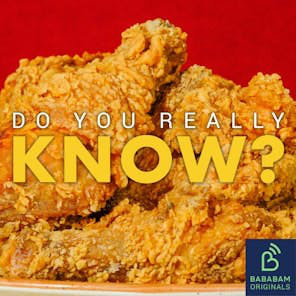
Instead, they're braving the winter cold to queue up for a unique holiday feast at KFC.
Once they're served, customers then return home with a special Christmas bucket in red, white and green colours containing fried chicken, coleslaw salad, a Japanese strawberry shortcake and sometimes even champagne.
Yes, you heard that right!
Kentucky Fried Chicken is a Christmas essential for millions of Japanese families!
When did this tradition start?
To understand its origins, you have to go back to the post -World War II era.
Japan, a member of the Axis powers with Hitler's Germany and Mussolini's Italy, lost the war and then experienced a period of great poverty and austerity in the 1940's and 50's.
Only in the 60's and 70's did its economy begin to take off.
Ted Bester is a professor of social anthropology at Harvard University and a specialist in Japanese food and culture.
He's quoted in a CNN article as saying, Japan's economic power was going through the roof.
Since the US was a cultural powerhouse at the time, there was huge interest in Western fashion, foods and trips overseas.
Japan was really opening up.
In the 1970's and 80's, the island's fast food industry grew sixfold.
Where did KFC come in then?
KFC arrived in Japan in 1970.
In 1974, Takishi Okawara, who led the first Japanese KFC, allegedly heard foreign customers complain that they couldn't eat turkey on Christmas Eve.
The legend goes that Okawara then had a great marketing idea.
Thinking that chicken was close enough to turkey, he decided to sell a Christmas barrel at a very affordable price.
Sell a Christmas bucket at a very affordable price.
To promote it, he created an advertising campaign which left a lasting impression.
It included the slogan, Kurisumasu Niwa Kentake, meaning Kentake for Christmas.
He even went so far as including the classic American song, My Old Kentake Home, as if it was a Christmas carol.
Okawara then became the president and CEO of KFC Japan from 1984 to 2002.
According to the BBC, these days 3 .6 million Japanese families eat KFC at Christmas, about one -third of the company's annual sales on the island.
But weren't there traditional dishes before?
With less than 2 % of the population identifying as Christians, and most Japanese following Shinto or Buddhism, the Christian celebration of Christmas on December 25th didn't hold much significance.
It essentially became a cultural import without the religious aspect, almost like a form of Valentine's Day.
For those not opting for KFC, it's common for Japanese families to reserve a table at a somewhat upscale foreign cuisine restaurant.
PFC's fried chicken isn't actually too far off from Karaj, a popular traditional Japanese fried dish, which usually features chicken.
This compatibility likely contributed to the dish seamlessly integrating into Japanese Christmas celebrations.
There you have it. Now you know why the Japanese eat KFC at Christmas.
In under 3 minutes, we answer your questions and help you understand the true meaning behind the trends, concepts and acronyms that are making headlines.
Listen along and you will really know for sure.