
[The Fascinating Origin of Japan's KFC Christmas Tradition]-[Why do the Japanese eat KFC at Christmas?]
📋 Summary
The KFC Christmas Phenomenon in Japan
The Unique Festive Feast
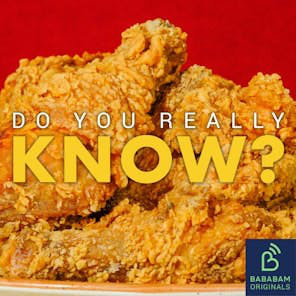
In many Western countries, Christmas is synonymous with roast turkey and traditional family gatherings. However, in Japan, a distinct and peculiar tradition has taken root: millions of families flock to KFC to secure a "special Christmas bucket." This red, white, and green container, often accompanied by coleslaw, strawberry shortcake, and champagne, has become a "Christmas essential" for a significant portion of the Japanese population. While households in the UK are busy with kitchen preparations, Japanese families are "braving the winter cold to queue up" for what has become a modern cultural staple.
Historical Context: Post-War Economic Growth
To understand why a fast-food chain became the face of a holiday, one must look at Japan's post-World War II trajectory. Following a period of "great poverty and austerity" in the 1940s and 50s, Japan experienced a massive economic surge in the 60s and 70s. During this era, Japan was "really opening up" to Western influence. As Ted Bester, a professor of social anthropology at Harvard, notes, Japan’s "economic power was going through the roof," leading to a "huge interest in Western fashion, foods and trips overseas." This climate of rapid modernization and fascination with American culture provided the perfect soil for KFC to plant its roots.
The Marketing Genius of Takishi Okawara
KFC arrived in Japan in 1970, but the tradition was solidified by a stroke of marketing brilliance. In 1974, Takishi Okawara, the leader of the first Japanese KFC, observed that foreign customers were struggling to find turkey, a traditional Christmas centerpiece, in Japan. Identifying a gap in the market, Okawara reasoned that fried chicken was "close enough to turkey" and launched a campaign to sell a "Christmas barrel at a very affordable price."
His strategy went beyond just the product; he crafted a cultural narrative. He introduced the slogan "Kurisumasu Niwa Kentake" (Kentake for Christmas) and even utilized the song "My Old Kentake Home" as if it were a "Christmas carol." This aggressive and creative branding effectively associated the brand with the holiday season, helping the fast-food industry in the region grow "sixfold" during the 70s and 80s.
Cultural Integration and Compatibility
Why did this stick in a country where less than 2% of the population identifies as Christian? The answer lies in the nature of Christmas in Japan. Without the heavy weight of religious significance, Christmas in Japan functions more like a "cultural import," similar to Valentine’s Day.
Furthermore, there is a culinary bridge. The fried chicken offered by KFC shares a high degree of "compatibility" with Karaage, a beloved traditional Japanese fried chicken dish. This similarity allowed the KFC meal to integrate "seamlessly" into the Japanese diet. Today, this tradition is so entrenched that approximately 3.6 million Japanese families participate, accounting for "about one-third of the company's annual sales" on the island. What began as a clever marketing campaign has evolved into a permanent fixture of Japanese winter culture.
Deep Learning with ListenLeap


