Every holiday shopper's got a list, but Ross Shoppers, you've got a mission.
Like a gift run that turns into a disco snow globe throw, pillows and PJs for the whole family, dog included.
At Ross, holiday magic isn't about spending more.
It's about giving more for less.
Ross, work your magic.
Marshalls buyers are hustling hard to get amazing new gifts into stores right up to the last minute.
Like a designer perfume for that friend who never RSVP'd.
Wishlist topping toys for her kids who came too.
Belgian chocolates for the neighbor.
A cozy scarf for your boss.
And a wool jacket for your husband that you definitely did not almost forget.
Marshalls.
We get the deals.
You get the good stuff.
Even at the last minute.
Find a Marshalls near you.
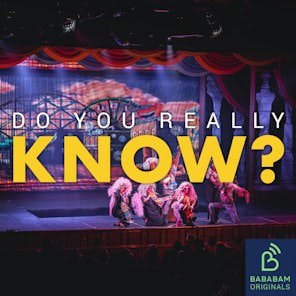
Why is panto a Christmas tradition in the UK?
Thanks for asking.
Panto short for pantomime, has become a staple of British Christmas celebrations, but surprisingly, its origins are neither British or Christmassy.
What are the origins of panto?
It has its roots in the ancient Roman festival of Saturnalia, which was celebrated in December and involved dressing up as the opposite gender, swapping roles and having a lot of fun.
The word pantomime comes from the Latin pantomimius, which means actor who plays every role.
How did Panto come to Britain?
Pantomime has a long and complex history that traces back to the 16th century, when Italian actors travelled across Europe and brought with them a theatrical genre called Commedia dell'arte.
Commedia dell'arte was a form of improvised theatre that featured masked actors playing stock characters such as the cunning servant, the foolish old man, the young lovers and the boastful soldier.
The actors used witty humour, physical comedy acrobatics, music and topical references to entertain the audiences.
Some of the Comedia dell'arte characters, such as Harlequin, Columbine and Pantaloon, influenced the development of English entertainment by the 18th century, especially the Harlequinade, a comic scene that often followed a serious play.
The Harlequinade gradually evolved into the modern pantomime, incorporating elements from other theatrical traditions, such as masks, musical and fairy tales.
What are some of the earliest examples of panto in Britain?
One of the earliest examples of panto in Britain was Dick Whittington and his cat, a story about a poor boy who became rich with the help of his cat.
The story was adapted into pantomime in the 18th century and became so popular that it was often revived, and especially performed on Boxing Day.
Pantomime evolved over time with new stories being added or changed according to popular demand.
Some of these stories were based on nursery rhymes such as Humpty Dumpty or Little Bo Peep, and others were based on classic novels such as Alice in Wonderland or Peter Pan, or on fairy stories such as Cinderella or Snow White.
What are some of the features of modern panto?
Today, Panto is one of the most popular forms of theatre in the UK.
It attracts millions of viewers every year who enjoy watching their favourite stars perform their favourite roles.
Panto is best known for its audience participation.
Elements such as singing along to songs booing villains like Mr Cuddles or The Dame The Panto Dame is always played by a man or cheering the heroes The Prince, who's always played by a woman.
Shouting out, he's behind you, is also a key feature to warn the hero of impending danger.
There you have it.
Now you know why panto is a Christmas tradition in the UK.
In under three minutes, we answer your questions and help you understand the true meaning behind the trends, concepts and acronyms that are making headlines.
Listen along and you really will know for sure.