
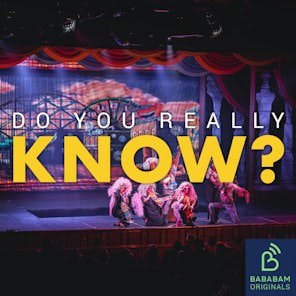
[The Evolution and Traditions of British Pantomime]-[Why is panto a Christmas tradition in the UK?]
📋 Summary
The History and Cultural Significance of British Panto
Introduction to a Festive Staple
In the United Kingdom, the holiday season is synonymous with "panto," a theatrical tradition that brings joy to millions. While it is now a cornerstone of British Christmas celebrations, the origins of pantomime are surprisingly international and ancient, predating the modern concept of Christmas entirely.
Ancient Roots and Etymology
The term "pantomime"—often shortened to "panto"—originates from the Latin word pantomimius, which translates to "actor who plays every role." Its lineage can be traced back to the ancient Roman festival of Saturnalia. During this December celebration, social norms were inverted, characterized by "dressing up as the opposite gender" and "swapping roles," which laid the early foundations for the playful, rule-breaking nature of contemporary panto.
The Influence of Commedia dell'arte
The transition of this performance style into Britain occurred during the 16th century through the arrival of Italian actors performing Commedia dell'arte. This "form of improvised theatre" relied on "masked actors" portraying "stock characters," such as the "cunning servant," the "foolish old man," and the "boastful soldier." These performances utilized a blend of "witty humour," "physical comedy," and "acrobatics" to engage the masses. By the 18th century, characters like Harlequin and Pantaloon had heavily influenced English entertainment, evolving into the "Harlequinade," a comic interlude that eventually morphed into the modern pantomime structure we recognize today.
Evolution of Stories and Themes
One of the most iconic early examples of this evolution is the story of Dick Whittington and his cat. As the genre matured, it became a flexible medium that adapted to popular demand. Producers incorporated diverse narratives, ranging from "nursery rhymes" like Humpty Dumpty to "classic novels" such as Alice in Wonderland and "fairy stories" like Cinderella or Snow White. These adaptations became deeply embedded in the British calendar, with specific performances frequently held on "Boxing Day."
Key Features of Modern Panto
Today, panto serves as a highly interactive form of theatre. Its enduring popularity is rooted in its unique relationship with the audience. Unlike traditional plays, panto encourages active engagement, such as "singing along to songs" or "booing villains."
Several specific tropes define the modern experience:
- The Panto Dame: Traditionally "played by a man," this character is central to the comedic rhythm of the show.
- The Hero: Usually "the Prince," who is characteristically "played by a woman."
- Audience Participation: The audience is expected to shout iconic phrases like "he's behind you" to warn the hero of "impending danger."
Through these interactive elements, panto remains a vital part of the British cultural identity, transforming simple theatrical storytelling into a collective holiday celebration. By understanding its journey from Roman festivals and Italian improvisational troupes to the family-friendly spectacles of today, one gains a deeper appreciation for why this "staple of British Christmas celebrations" continues to thrive.

Deep Learning with ListenLeap


