This episode is brought to you by LifeLock.
It's Cybersecurity Awareness Month, and LifeLock has tips to protect your identity.
Use strong passwords, set up multi-factor authentication, report phishing and update the software on your devices.
And for comprehensive identity protection.
Let LifeLock alert you to suspicious uses of your personal information.
LifeLock also fixes identity theft, guaranteed or your money back.
Stay smart, safe, and protected with a 30-day free trial at LifeLock.com slash podcast.
Terms apply.
Some days call for working up a sweat.
Working on your passion.
And endless action.
Ditch the glitch with Liquid IV's new energy multiplier sugar-free.
Refreshing flavors like strawberry kiwi and blackberry lemonade.
Scientifically formulated to support physical energy, hydration, focus, mood, and social stamina.
Liquid IV's new energy multiplier sugar-free.
Hydrating energy.
Tap the banner to learn more.
What is flexitarianism?
Thanks for asking.
Flexitarianism is a portmanteau word combining flexible and vegetarianism.
It's a mostly vegetarian way of eating, which nevertheless allows for occasional meat dishes.
The aim is to reduce red meat and animal protein consumption, replacing them with high protein plant foods.
This type of diet is becoming increasingly common, and the word flexitarian was added to the Merriam-Webster's Collegiate Dictionary in 2012.
So if I understand correctly, being flexitarian is basically being a part-time vegetarian.
That's more or less right.
Many people try flexitarianism as preparation for going full veggie.
It makes the transition easier without making you feel like you're going cold turkey.
All foods are allowed.
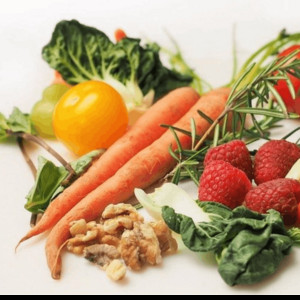
Fruit vegetables cereal, dairy products and fats can be eaten every day, along with an occasional serving of meat or fish when there's no plant-based alternative.
Flexitarians don't only limit the quantity of meat in their diet.
On the occasions they do eat meat, they also pay close attention to where products come from.
They may choose to only consume meat and produce that has come from an organic farm where animals are raised free range.
Sustainability is a key concern, as meat production has a high carbon footprint.
It's estimated that livestock is responsible for 18% of all greenhouse gas emissions.
More and more people are avoiding meat in order to eat more responsibly.
But I've been eating meat all my life.
How am I supposed to know how to cook and eat all these plant-based products?
Eating flexitarian isn't rocket science.
There are many online resources which offer tips, recipes and meal plans for such a diet.
Check out theflexitarian.co.uk for example.
And the name is a clue.
Flexitarianism isn't about excluding foods.
It's more to do with adding new healthy ones such as lentils, beans and nuts.
What are the potential health benefits then?
A flexitarian diet has a comparable impact on the body to that of being a vegetarian.
It helps to reduce the risk of cardiovascular diseases, colorectal cancer and obesity.
Furthermore, consuming some good quality lean meat from time to time prevents vitamin B12 deficiency, which can affect some vegetarians.
Oily fish are rich in omega-3 fatty acids, which are also good for your heart.
Of course, these benefits still depend on how often a person eats meat and fish.
If you do so more than twice a week, the benefits of the flexitarian diet may be diminished.
There you have it.
Now you know what flexitarianism is.
In under three minutes, we answer your questions.
What would you like to know about?
Use the comments section to ask your questions on the podcast platform.