
[Understanding Flexitarianism: A Balanced Approach to Sustainable Eating]-[What is flexitarianism?]
📋 Summary
Exploring the Flexitarian Lifestyle: A Sustainable Path to Nutrition
Defining Flexitarianism: A Flexible Compromise
At its core, flexitarianism is a "portmanteau word combining flexible and vegetarianism." Unlike strict dietary regimes that demand total exclusion, this approach represents a "mostly vegetarian way of eating" that permits the occasional consumption of meat. It serves as an accessible bridge for individuals who are not ready to commit to a permanent, full-time vegetarian lifestyle. By allowing people to avoid "going cold turkey," the diet facilitates a smoother transition, ensuring that individuals do not feel restricted or overwhelmed by their new dietary choices.
The Motivation: Sustainability and Carbon Footprint
One of the primary drivers behind the rise of flexitarianism is a deep-seated concern for "sustainability." The podcast highlights that "meat production has a high carbon footprint," with estimates suggesting that "livestock is responsible for 18% of all greenhouse gas emissions." Consequently, many people are adopting this diet to "eat more responsibly." When flexitarians do choose to consume animal products, they are typically mindful of the source, often prioritizing "organic farm" products where "animals are raised free range." This conscious consumption is central to the movement’s goal of reducing the overall environmental impact associated with industrial animal agriculture.
Practical Implementation: Adding Rather Than Subtracting
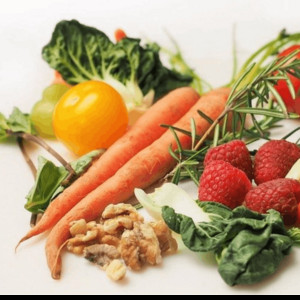
Many newcomers express anxiety about the culinary transition, fearing they lack the knowledge to prepare plant-based meals. However, the podcast clarifies that "eating flexitarian isn't rocket science." The philosophy is less about the deprivation of foods and more about "adding new healthy ones such as lentils, beans, and nuts." For those seeking guidance, digital resources like theflexitarian.co.uk offer comprehensive support, including "tips, recipes, and meal plans." By focusing on the inclusion of nutrient-dense plant foods, individuals can maintain a balanced and satisfying diet without feeling the pressure of total exclusion.
Health Impacts and Nutritional Considerations
The health benefits of a flexitarian diet are significant, showing a "comparable impact on the body to that of being a vegetarian." Studies suggest that this lifestyle helps "reduce the risk of cardiovascular diseases, colorectal cancer, and obesity." A distinct advantage of the flexitarian approach over a strict vegetarian diet is the avoidance of "vitamin B12 deficiency," which can occur if animal products are completely removed. By incorporating "good quality lean meat" occasionally, or consuming "oily fish" rich in "omega-3 fatty acids," followers can protect their heart health while maintaining essential nutrient levels.
The Caveat: Moderation is Key
While the benefits are clear, they are contingent upon adherence. The podcast notes that these health advantages "depend on how often a person eats meat and fish." Specifically, if an individual consumes meat "more than twice a week," the potential health benefits of the flexitarian diet may be "diminished." Ultimately, the diet remains a highly effective, low-pressure strategy for those looking to improve their personal health while simultaneously contributing to a more sustainable global food system.
Deep Learning with ListenLeap


