Roughly 50% of people will break a bone at some point in their lives.
But whether the cause is as mundane as a slip on the ice or as dramatic as a tightrope walking accident, broken bones tend to heal the same way.
The human body's 200-plus bones come in many shapes and sizes, referred to by medical professionals as short bones, long bones, flat bones and the catch-all category of irregular bones.
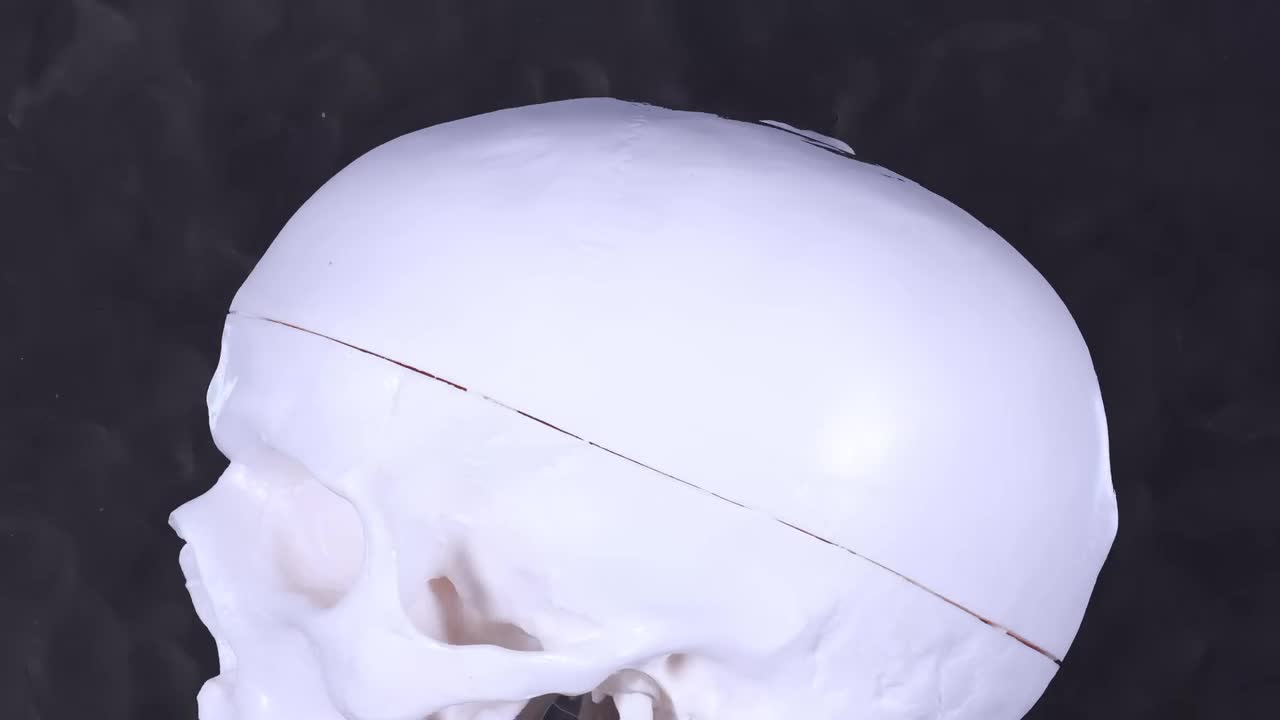
Despite their differences, bones generally have a rigid structure composed of a protein matrix that's dotted with bone cells and reinforced with minerals containing calcium.
Inside these stiff exteriors is spongy marrow containing stem cells that can divide and differentiate into specialised cell types.
Bones are also penetrated by blood vessels and nerves which relay the searing pain signal associated with a break.
Since these nerves are encased in hard tissue, they're very difficult to study.
So we still don't know exactly why broken bones hurt so much.
But we do know that long bones are the most likely to break, since they often take the brunt of the impact from a fall.
Whether an accident causes a clean break or a splintering crack, any kind of fracture makes the blood vessels inside the bone rupture, causing internal bleeding and inflammation.
This signals the body to start the first step of the healing process, the inflammatory phase.
For the next week.
The body floods the injury site with immune cells which remove damaged tissue and help prepare the site for healthy new tissue to grow.
The cells also release signalling molecules that recruit stem cells to the area.
As they arrive, these stem cells differentiate into chondrocytes.
These cells use the clotted blood at the break site as a scaffold to build callus made of cartilage.
Cartilage can grow very quickly, making it a useful temporary patch.
But it's much weaker than bone.
So over the following weeks some of the chondrocytes and stem cells develop into special bone-building cells called osteoblasts that can create a stronger bony callus.
Once the bony callus is complete, the remodeling phase can begin.
Over the next few months, another type of cell eats away at the bony callus as osteoblasts lay down new bone tissue.
This phase is where most of the bone healing happens restoring the injury site to its previous shape.
But the healing timeline varies widely depending on a patient's diet, how much rest they're getting and how messy the break is.
A clean break generally heals the fastest, and doctors use casts and splints to keep bones aligned as they heal.
But if the bone has been splintered into tiny fragments and significantly displaced, surgery may be required to put those pieces back in place.
And if a bone does heal while misaligned, a surgeon would need to refracture it, realign it and then use pins, plates or screws to hold the bone together.
When the remodeling phase is over, there may be a slight bump at the fracture site, but this typically resolves over time, leaving the bone just as strong as it was before.
Naturally, the strength of our bones varies from person to person, and older populations are more likely to break their bones in the first place, since bone density tends to decrease with age.
Researchers are still investigating why this happens, but fortunately we already know the best way to keep bones strong.
Even when they aren't healing, bones are constantly remodelling, adjusting their density and strength to the amount of force they're typically under.
So exercises like walking, running and weightlifting all stimulate your bones to grow denser.
Just make sure whatever activity you're doing is relatively safe, because there's nothing humorous about a broken humerus.
Ready to keep learning?
Watch these videos to either challenge what you think you know or learn more about what you don't.
Subscribe and stay curious.