
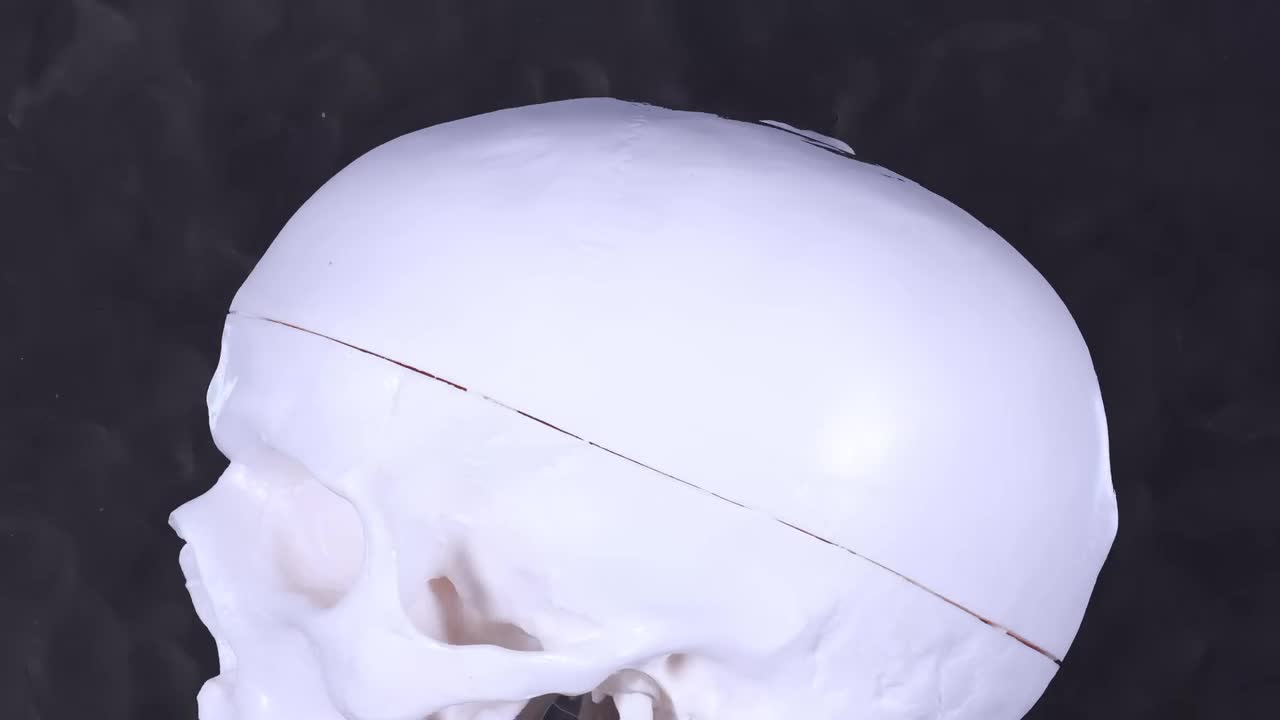
[The Biological Blueprint: How Human Bones Heal After a Fracture]-[What happens when you break a bone? - Gurpreet Baht and Natalie Pang]
📋 Summary
The Biological Blueprint: How Human Bones Heal After a Fracture
Fractures are a nearly universal human experience, with approximately 50% of the population expected to break a bone at some point in their lives. Whether caused by a "slip on the ice" or a more dramatic incident, the human body employs a sophisticated, standardized biological response to repair these injuries. Understanding this process requires looking beyond the rigid exterior of our skeleton to the complex cellular activity occurring beneath the surface.
The Anatomy of a Bone
Human bones, categorized as "short, long, flat, or irregular," share a common structural foundation. They are built upon a "protein matrix" reinforced with calcium-rich minerals. Beneath the stiff exterior lies "spongy marrow," which serves as a reservoir for stem cells capable of differentiating into specialized cell types. While bones are permeated by blood vessels and nerves—the latter of which transmit the "searing pain" characteristic of a fracture—the exact neurological mechanisms behind this pain remain a subject of ongoing medical research.
Phase One: The Inflammatory Response
When a bone sustains a "clean break" or a "splintering crack," the immediate consequence is the rupture of internal blood vessels, leading to "internal bleeding and inflammation." This trauma triggers the "inflammatory phase." For roughly one week, the body floods the site with immune cells. These cells serve two critical purposes: removing damaged tissue and releasing "signalling molecules" that recruit stem cells to the injury site.
Phase Two: Bridging the Gap with Cartilage
Once the stem cells arrive, they differentiate into "chondrocytes." These cells utilize the existing blood clot as a temporary scaffold, constructing a "callus made of cartilage." While cartilage is significantly weaker than bone, its ability to grow rapidly makes it an essential "temporary patch" for the injury.
Phase Three: Ossification and the Bony Callus
As the healing progresses into the subsequent weeks, the body transitions from cartilage to bone. Chondrocytes and stem cells develop into "osteoblasts," specialized "bone-building cells." These osteoblasts replace the soft cartilage with a stronger "bony callus," effectively bridging the fracture.
Phase Four: The Remodeling Phase
The final stage of healing is the "remodeling phase," which spans several months. During this period, a dynamic process occurs: one type of cell "eats away at the bony callus" while osteoblasts simultaneously lay down new, organized bone tissue. This process restores the bone to its original shape and strength. While minor bumps may persist at the fracture site, they typically resolve over time.
Clinical Interventions and Factors of Healing
Healing timelines are highly variable, influenced by factors such as "diet, how much rest" the patient receives, and the severity of the fracture. While a "clean break" heals relatively quickly with the aid of casts and splints to ensure proper alignment, complex injuries involving "splintered" fragments may require surgery. If a bone heals while "misaligned," surgeons must perform a refracture, realigning the bone and using "pins, plates or screws" to stabilize it.
Long-term Bone Health and Density
Bone strength is not static; it is influenced by age, as "bone density tends to decrease" in older populations. However, bones are in a constant state of remodeling, adapting their density to the physical forces they endure. Activities such as "walking, running and weightlifting" provide the necessary stimulation for bones to grow denser. By maintaining an active lifestyle, individuals can ensure their skeletal structure remains resilient, minimizing the risk of future fractures.

Deep Learning with ListenLeap


