[현대적 사랑의 한계와 'Kith(이웃)'라는 새로운 가능성]-[The Love of Kith and the Love of Kin]



📋 Summary
현대적 사랑의 역설: 'Kin'에 대한 과도한 집착
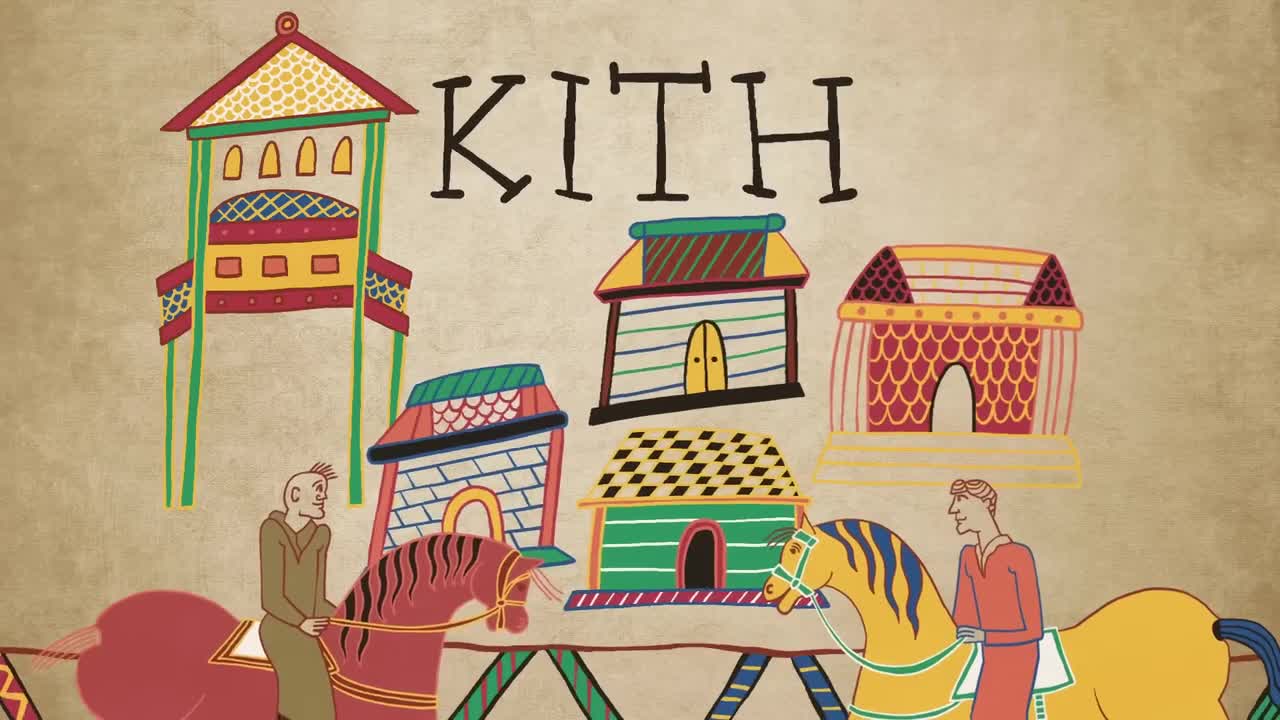
영어에서 가장 오래된 단어 중 하나인 'Kith and Kin'은 오늘날 우리에게 다소 생소하게 들리지만, 그 본질은 명확하다. 'Kin'은 혈연이나 결혼으로 맺어진 가까운 친족을 의미하며, 'Kith'는 이웃, 동료, 지역사회 등 우리 주변의 폭넓은 공동체를 의미한다. 현대 사회에서 우리가 추구하는 사랑은 압도적으로 'Kin'에 집중되어 있다. 우리는 영혼의 동반자이자 연인, 친구, 부모의 역할을 모두 수행하는 단 한 사람을 찾아 헤매며, 그 사람이 우리를 완전히 이해해주기를 바란다. 하지만 이러한 'The dream is intense'한 열망은 필연적으로 'notoriously troubled'한 결과를 낳는다.
왜 우리는 사랑에 실패하는가: 'Kin'이 줄 수 없는 것들
통계적으로 우리가 기대하는 수준의 친밀감을 가족이나 연인에게서 느끼기는 매우 어렵다. 부모는 차갑거나 거리감이 있고, 파트너는 우리를 이해하지 못한다. 현대인들은 'resentment'를 안고 살아가며, 수많은 사람을 만나도 갈망하던 유대감을 찾지 못해 지쳐간다. 우리는 종종 그 원인을 자신의 'attachment style(애착 유형)'이나 'unresolved trauma(해결되지 않은 트라우마)'에서 찾으며 자책하지만, 사실 이러한 'blame-seeking'은 본질을 놓치고 있는 것일지도 모른다. 근본적인 문제는 'Families can't deliver(가족은 모든 것을 줄 수 없다)'는 사실, 그리고 현대의 사회·정치적 시스템이 우리에게 'nuclear family(핵가족)'와 'romantic couple(낭만적 커플)'이라는 환상만을 강요한다는 점이다.
'Kith'의 재발견: 사랑의 새로운 지평
사회는 발렌타인데이나 어머니날, 아버지날은 기념하지만, 'neighbour day'나 'community day'는 존재하지 않는다. 'The love of kith carries no glamour(이웃에 대한 사랑은 매력이 없다)'고 여겨지기 때문이다. 그러나 저자는 바로 이 지점에서 우리가 'immense disservice(막대한 손해)'를 보고 있다고 지적한다. 우리의 사랑에 대한 갈망은 멈출 수 없지만, 그 방향은 재설정될 수 있다.
때로는 'kin'보다 'kith'에게 사랑을 나누는 것이 훨씬 현명한 선택일 수 있다. 동료, 여행지에서 만난 사람, 지역 공동체의 이웃들에게 건네는 사랑은 'kin' 사이의 사랑과는 다르다. 여기에는 성적인 긴장이나 독점적인 관계, 아이를 키워야 한다는 압박이 없다. 하지만 바로 그렇기 때문에 이 사랑은 더욱 자유롭고 즐거울 수 있다.
결론: 사랑의 미래를 향하여
'Kith'와의 사랑은 'free of jealousy, exclusivity and punishing hope(질투, 독점, 그리고 고통스러운 기대로부터 자유로운)' 관계이다. 우리는 오랫동안 'kin'을 사랑하기 위해 고군분투해왔다. 그러나 사랑에 절망하기 전에, 현대 사회가 눈멀게 만든 'quiet, glorious comforts of the love of Kith(이웃 사랑이 주는 조용하고 영광스러운 위안)'를 바라볼 필요가 있다. 이것이야말로 사랑을 제대로 이해하는 방식이자, 우리가 나아가야 할 사랑의 미래일지도 모른다.