
[The Forgotten Virtue of Kith: Rethinking the Modern Landscape of Love]-[The Love of Kith and the Love of Kin]
📋 Summary
The Forgotten Virtue of Kith: Rethinking the Modern Landscape of Love
The Etymological Divide: Kith vs. Kin
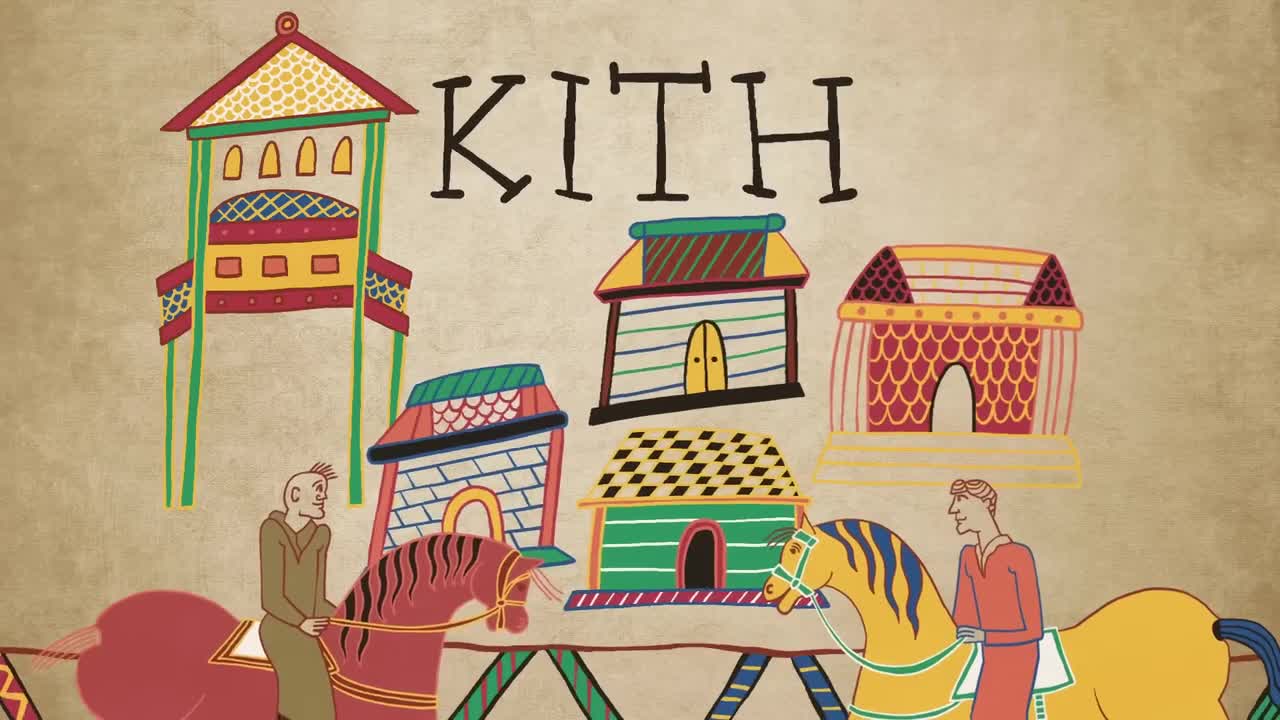
The English language possesses an ancient distinction between two fundamental spheres of human connection: kith and kin. Originating between 400 and 800 AD, these terms carry distinct meanings that have been obscured by modern social priorities. Kin refers specifically to "close blood or marriage relatives," such as parents, children, and spouses—a term linked to the German word kind. In contrast, kith encompasses the "community at large," including "neighbours, colleagues, the village, the city," and the casual acquaintances we encounter in our daily lives. While both are essential, our modern culture has become dangerously fixated on the former.
The Exhausting Burden of the Kin-Centric Fantasy
Contemporary society is obsessed with the "love of kin." We have elevated the romantic ideal to an impossible standard, where we seek one "very special person" to serve as a "best friend, angel, co-parent, therapist, sexmate and companion, all rolled into one." We harbor a dream that this person will "render everyone else redundant" and "understand us totally."
However, this intense pursuit is "notoriously troubled." The reality of our relationships is often defined by "resentment" and emotional distance: mothers are "cold," fathers are "distant," and partners fail to provide the deep resonance we crave. Despite our efforts—dating hundreds of people and searching for the perfect bond—our "nervous systems are exhausted." We often resort to self-blame, citing "unresolved trauma from childhood" or "attachment style" issues, but this focus on individual failure often "misses the point." The reality is that the expectation placed upon kin is structurally unsustainable.
The Structural Blindness of Modern Society
Our political and social systems are "hardwired" to prioritize the nuclear family and the romantic couple above all else. We celebrate "Valentine's Day and Mother and Father's Day," reinforcing these specific dynamics while ignoring the broader community. The "love of kith carries no glamour," and as a result, we are done an "immense disservice." By forcing all our emotional needs into the narrow funnel of the nuclear family, we ignore the potential for fulfillment in broader social circles. Families and lovers, despite our best efforts, often "can't deliver" the total satisfaction we demand of them.
Redirecting Love: The Joy of Kith
Rather than despairing of love entirely when our kin-based relationships struggle, the author suggests we "redirect" our affection. The love of kith—offered to "friends, to the people we've met through our work and on our travels"—offers a different, and perhaps more sustainable, form of connection.
While this love lacks the "sex," "exclusive focus," or the shared project of raising children, it possesses its own unique virtues. It is a "love free of jealousy, exclusivity and punishing hope." It provides a "quiet, glorious" comfort that is not burdened by the high-stakes pressure of romantic or familial expectations.
Conclusion: A Future Understood
We have "tried so hard to love our kin," often to the point of existential exhaustion. The path forward requires a shift in perspective. By acknowledging that our current era "blinds us" to the value of our wider community, we can begin to find relief. The future of love, properly understood, may not lie in the perfection of the nuclear unit, but in the intentional cultivation of our kith—the neighbors, colleagues, and strangers who make up the fabric of our daily lives.
Deep Learning with ListenLeap


