[수달은 어떻게 물속에서 냄새를 맡을까? 수중 후각에 관한 과학적 탐구]-[Revealing the Survival Secrets of Otters | BBC Earth]



📋 Summary
수달의 놀라운 수중 후각 능력: '버블 스니핑(Bubble Sniffing)'의 비밀
서론: 물속에서 냄새를 맡는다는 가설
우리는 흔히 육상 동물만이 냄새를 맡을 수 있다고 생각하지만, 자연계에는 수중에서 후각을 활용하는 동물들이 존재합니다. 본 영상에서는 수달이 물속에서 물고기를 대할 때 입에서 거품(bubbles)을 내뿜는 행동에 주목합니다. 진행자는 수달이 단순히 먹이를 확인하는 것을 넘어, 물속에서 냄새 분자를 포착하기 위해 의도적으로 거품을 활용한다는 가설을 제시합니다. 이는 "It's not improbable because a lot of animals can smell underwater"라는 추측에서 출발하여, 수달이 환경에 적응하기 위해 진화시킨 독특한 생존 기술일 가능성을 시사합니다.
실험 설계: 가짜 물고기와 진짜 물고기의 구별
수달 '루디(Rudy)'를 대상으로 한 실험은 수달이 시각이 아닌 후각을 통해 먹이를 식별하는지 확인하기 위해 설계되었습니다. 연구진은 겉모습이 똑같은 'fake piece of plastic trout net(가짜 플라스틱 송어)'과 실제 물고기를 준비했습니다. 실험의 핵심은 루디가 각각의 물체를 조사하고 어떤 것이 'food(음식)'인지 판별하는 과정을 고속 카메라로 포착하는 것이었습니다. 실험 결과, 루디는 가짜 물고기에는 전혀 관심을 보이지 않았으며, 이는 수달이 단순히 시각에 의존하는 것이 아니라 먹이의 성분을 구별할 수 있는 능력이 있음을 암시합니다.
과학적 발견: 거품을 통한 냄새 전달 메커니즘
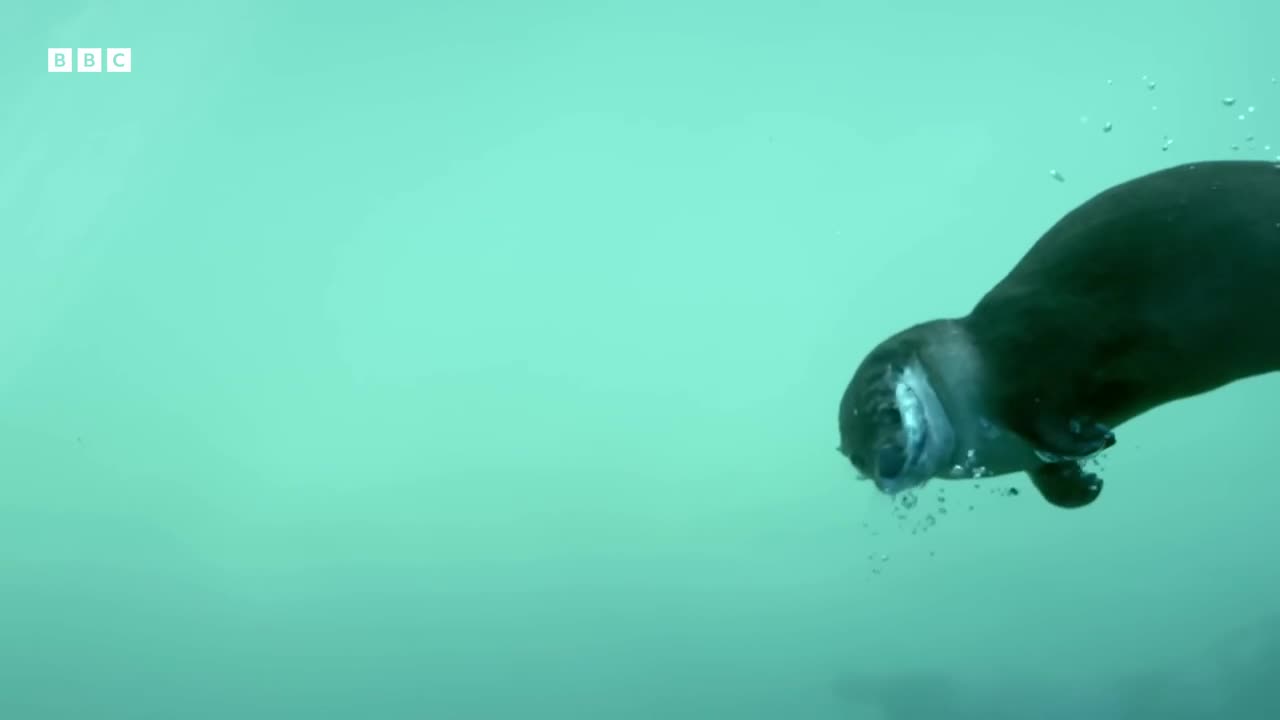
고속 카메라로 40배 느리게 촬영된 영상을 분석하자 놀라운 사실이 드러났습니다. 루디는 물고기 근처에서 입으로 거품을 내뿜은 뒤, 다시 그 거품을 빨아들이는(sucked it back in) 행동을 반복했습니다.
진행자는 이를 다음과 같이 설명합니다: "Rudy actively pushes a bubble onto the surface of the fish, picking up scent molecules, before he sucks it back in." 즉, 수달은 입에서 나온 거품을 물고기 표면에 밀착시켜 냄새 분자를 거품에 흡착시킨 뒤, 이를 다시 입으로 들이마셔 후각 기관으로 전달하는 방식을 취합니다. 이 과정은 수달이 시각적 정보가 차단된 'dark, murky waters(어둡고 탁한 물)' 속에서도 어떻게 먹이를 사냥하는지에 대한 결정적인 해답을 제시합니다.
결론: 감각의 확장과 생존 전략
이번 관찰을 통해 수달의 '버블 스니핑'은 단순한 호흡의 일환이 아니라, 물속에서 후각 정보를 수집하기 위한 정교한 생존 전략임이 입증되었습니다. 수달은 물속에서 냄새를 맡는다는 미지의 영역을 스스로 개척하여, 시각적 한계를 극복하고 먹이를 탐색하는 능력을 갖추고 있었습니다. 이러한 발견은 수달이라는 종이 가진 생물학적 지능과 환경 적응력에 대한 새로운 시각을 제공합니다. 결국 수달은 탁한 물속에서도 냄새를 맡는 'sniff it out' 능력을 통해 효율적으로 사냥을 수행하고 있는 것입니다.