[괜찮지 않아도 괜찮아: 'I'm fine' 뒤에 숨겨진 감정의 대가]-[If You See This Video… It’s a Sign You’re Not Okay]



📋 Summary
괜찮은 척하는 우리들의 심리적 메커니즘
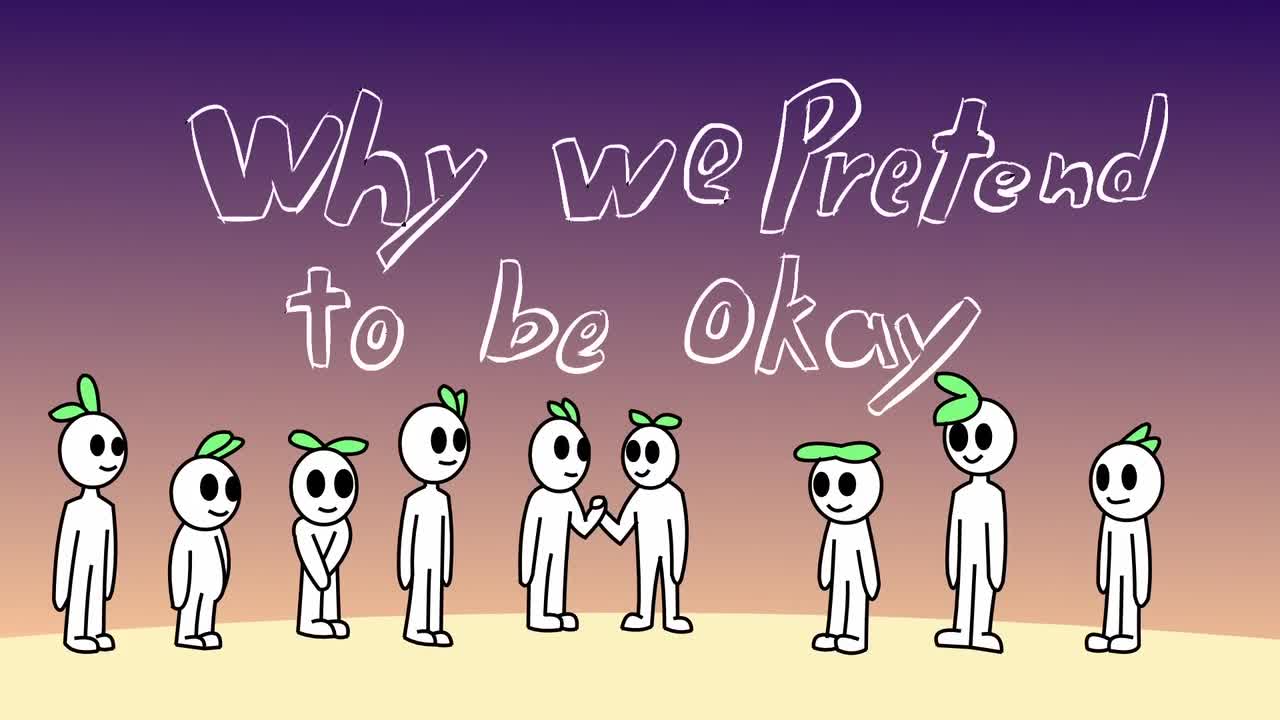
누군가 “어떻게 지내?”라고 물었을 때, 생각할 겨를도 없이 “I'm fine(괜찮아)”이라고 답한 적이 있나요? 겉으로는 모든 것을 잘 해내고 있는 것처럼 보이지만, 내면은 지쳐있거나 알 수 없는 압도감에 휩싸여 있는 상태. 이는 당신이 고장 난 것이 아니라, 그저 인간이기 때문에 겪는 자연스러운 현상입니다.
1. '괜찮은 척'은 생존을 위한 전략이다
심리학적으로 볼 때, 괜찮은 척하는 것은 단순한 거짓말이 아니라 하나의 **'coping strategy(대처 전략)'**입니다. 특히 어린 시절부터 '강한 사람'이어야 했던 환경에서 자란 이들에게 '괜찮음'은 감정이 아닌 하나의 **'role(역할)'**이 됩니다. 당신의 신경계는 “내가 어떻게 느끼지?”라고 묻는 대신, “오늘 하루를 버티기 위해 무엇을 해야 하지?”라고 묻는 법을 배웠습니다. 감정은 일을 더디게 만들고, **'vulnerability(취약성)'**는 사람들을 불편하게 하며, **'low maintenance(손이 덜 가는 상태)'**가 되어야 안전하다고 학습했기 때문입니다.
2. 'I'm fine'이 치르는 숨겨진 대가
가끔 괜찮은 척하는 것은 문제가 되지 않지만, 이것이 **'default(기본값)'**가 되면 위험합니다. 무시당한 감정은 사라지지 않고 조용히 기다릴 뿐입니다. 시간이 흐르면 혼자 있을 때 찾아오는 'sudden emotional crashes(갑작스러운 감정적 붕괴)', 사소한 일에 대한 'irritability(짜증)', 그리고 타인과의 **'feeling disconnected(단절감)'**로 나타납니다. 특히 “다른 사람들은 더 힘들잖아”, “짐이 되고 싶지 않아”라며 자신의 고통을 **'minimizing(축소)'**하는 것은 문제를 해결해주지 않으며, 오히려 스스로를 더 'lonelier(외롭게)' 만들 뿐입니다.
3. 왜 괜찮은 척하는 것이 더 안전하다고 느낄까?
많은 이들에게 괜찮은 척하는 것은 **'protection(보호)'**의 수단입니다. 과거에 거절당하거나 오해를 받았던 경험이 있는 뇌는 “내 진짜 감정을 드러내는 것은 안전하지 않다”고 판단합니다. 그래서 슬픔을 표현하는 대신 **'intellectualize(지성화)'**하고, 도움을 요청하는 대신 **'handle it yourself(혼자 감당)'**하며, 휴식을 취하는 대신 **'push through(밀어붙이기)'**를 선택합니다. 외부에서 볼 때는 **'resilience(회복탄력성)'**처럼 보일지 몰라도, 내면은 아무도 보지 못하는 무거운 짐을 짊어지고 있는 셈입니다.
4. 무리하지 않고 정직해지는 법
정직해진다는 것이 모든 사람에게 모든 것을 털어놓아야 한다는 뜻은 아닙니다. 작게 시작해 보세요. “오늘 나는 괜찮지 않아”라고 스스로에게 인정해 주는 것부터가 시작입니다. “I'm fine” 대신 “조금 압도되는 기분이야”라고 말해보세요. 감정을 즉시 해결하려 하지 말고, 그 감정 그대로 머무르는 법을 연습하는 것이 중요합니다.
결론: 당신은 증명할 필요가 없습니다
마지막으로 기억하세요. **“You don't have to be okay to be worthy(가치 있기 위해 꼭 괜찮을 필요는 없다)”**는 사실을요. 당신은 세상에 끊임없이 강한 모습을 보여줄 의무가 없으며, 사랑받기 위해 반드시 괜찮아야 하는 것도 아닙니다. 오랫동안 괜찮은 척하며 살아왔다면, 이제는 자신에게 조금 더 관대해지세요. 그동안의 당신은 단지 '생존'하기 위해 애썼을 뿐이며, 이제는 그저 하루를 버티는 것보다 더 많은 것을 누릴 자격이 있습니다.