When you think of OCD, what comes to mind?
Maybe someone who's extremely neat or always washing their hands.
These are the images most people associate with OCD.
And while they can be a part of it, they don't tell the full story.
Because OCD is often so misunderstood, many people struggling with it don't realize what they're experiencing is actually a mental health condition.
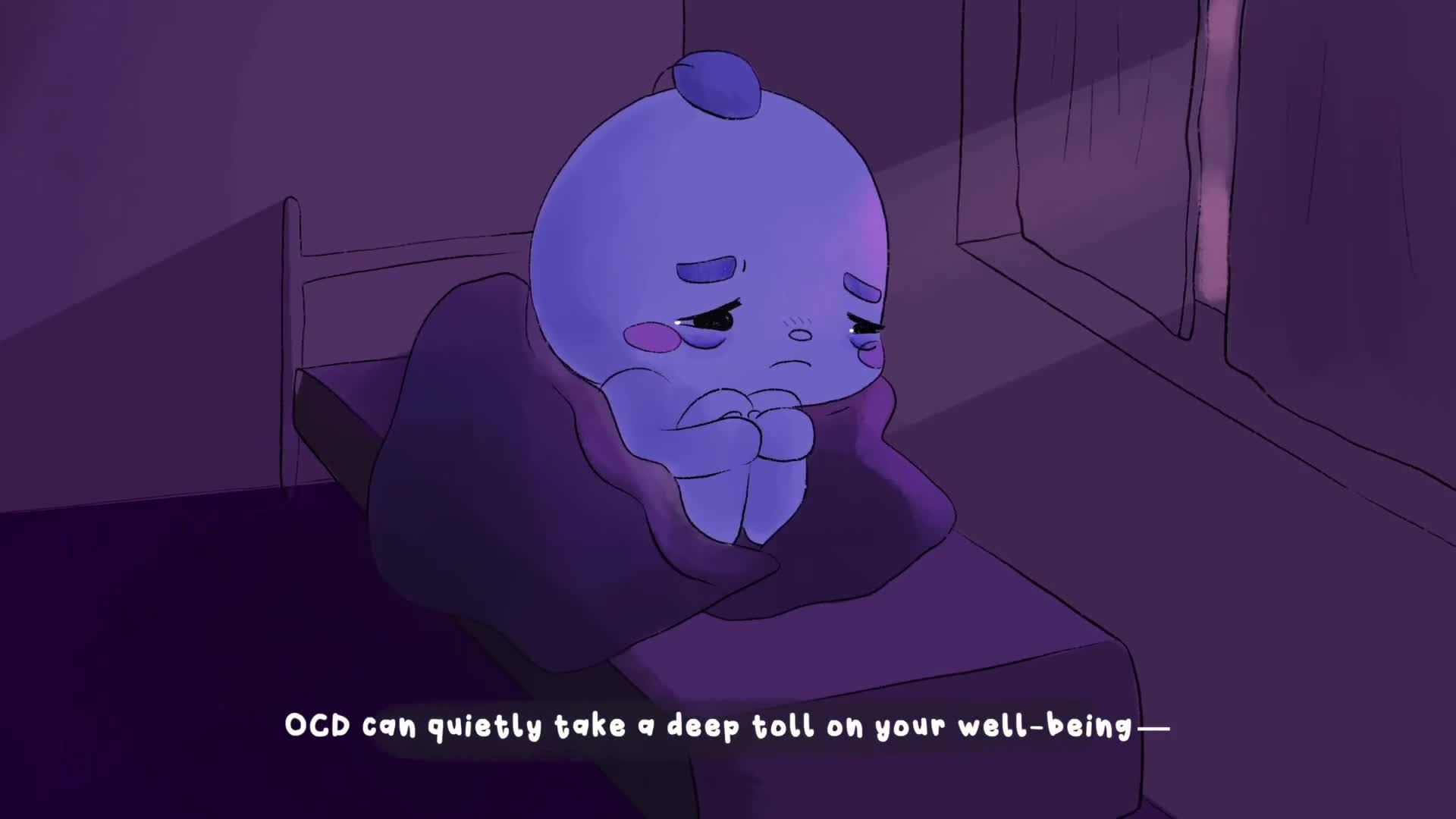
And when it goes untreated, OCD can quietly take a deep toll on your well-being physically, mentally and emotionally.
At Psych2Go.
Our mission is to make mental health and self-awareness more accessible, one topic at a time.
Whether you're here to learn more about OCD, find comfort in your experience or better understand someone you care about.
We're really glad you found us.
Let's explore what untreated OCD can actually feel like and why support makes all the difference.
You become anxious about your own morality.
There's a reason OCD is often stereotyped as perfectionism.
People casually say things like I'm so OCD when referring to neatness or attention to detail, even though those traits alone don't define the disorder.
The more painful and hidden side of OCD doesn't often make it into everyday conversations.
That includes something called harm OCD, where a person is plagued by violent or disturbing, intrusive thoughts.
These might involve self-harm, hurting someone, or fears about doing something awful.
And if that sounds intense, it is.
But it doesn't mean someone with OCD is dangerous or violent.
In fact, the fear of those thoughts happening is what causes so much distress.
Letting your intrusive thoughts win is a popular meme because it's relatable.
Most people have strange or impulsive thoughts now and then, and sometimes even act on them.
But with OCD, they're more frequent, harder to ignore, and deeply disruptive.
When OCD goes untreated, it becomes harder to recognize these thoughts as symptoms.
Many people start fearing they're dangerous or morally broken, when in reality the distress they feel is proof that the thoughts aren't truly reflective of who they are or their values.
A 2015 study found that one of the main reasons people don't seek help for OCD is because they don't realize what they're experiencing is a mental health condition.
But those thoughts aren't who you are, and getting a proper diagnosis can feel like a lifeline.
Suddenly, the fear, guilt and shame that have been weighing you down.
Have a name and a path forward.
A 2013 study found that both therapy and medication can significantly improve quality of life for people with OCD.
But even before treatment begins, just knowing what you're dealing with can ease the overwhelm and help you reconnect with your true self.
Socializing can be difficult.
For many people with OCD, socializing can be unexpectedly overwhelming.
Without a diagnosis, you might not understand why you feel anxious or agitated around others.
Intrusive thoughts can pop up during conversations or gatherings, sometimes making you question your own reactions or even how you feel about the people around you.
These moments can create emotional distance, leading to guilt, confusion, or isolation.
In fact, a 2014 study found that OCD is often co-occurring with agoraphobia, which can make social settings feel even more intimidating.
Even when OCD isn't focused on harm or dark thoughts, it can still interfere.
For example, some people become stuck on whether they said the wrong thing, replay conversations obsessively or feel the need to script every interaction in advance.
Over time, these patterns can make friendships and social events feel exhausting and without support, the stress just keeps stacking up, making it harder to connect with others and easier to withdraw.
Before we move on, we want to share something that could actually help.
If you've ever tried therapy for ocd and felt like it just wasn't working, you're not alone.
OCD is often misunderstood and not all therapy approaches are designed to treat it.
That's because OCD isn't just about thoughts, it's about how you respond to them.
And general types of therapy, like traditional talk therapy, can oftentimes make those thoughts feel even more overwhelming.
OCD needs a specific evidence-based treatment called exposure and response prevention or ERP.
And that's exactly what NoCD specializes in.
NoCD is the leading provider of OCD treatment.
Their therapists are specifically trained in ERP and understand all the different ways OCD can show up, even the hard to talk about stuff.
It's all done virtually and is covered by many insurance plans.
Between sessions you also get support through direct messaging tools and access to a community that gets it.
If you're interested in learning more, go to nocd.com and book a free 15 minute call with our team.
Okay, back to the video.
You lose out on a lot of time.
One of the signs mental health professionals look for when diagnosing OCD is time.
How much time are the compulsions taking?
Are they interfering with your day, your relationships, your ability to function?
Liking things clean doesn't mean you have OCD.
But when hours are lost to rituals like repeatedly washing your hands, checking locks or making sure your food isn't poisoned, it can take over your life.
And did you know that OCD doesn't always involve visible rituals?
There's a lesser-known form called rumination OCD, sometimes referred to as pure O, where the compulsions are internal.
Instead of washing or checking, you might spend hours replaying conversations, analyzing every what-if or scanning for danger in your thoughts.
That can mean worrying constantly about your health, your pet's behavior, your relationships or whether you unknowingly did something wrong.
The obsessions can latch onto any and all worst case scenarios.
It can feel like those fears are already real, already unfolding, or just one breath away.
You may not even notice how much time is passing, but your brain never gets to rest.
It's exhausting, and for many, it's debilitating.
Untreated OCD quietly robs people of their time, energy, and peace of mind.
The good news is treatment can help you get some of that time back and the freedom that comes with it.
There is hope.
OCD can feel like you're being tormented.
Repetitive tasks can drain your time.
Intrusive thoughts can leave you in constant anxiety.
It's exhausting and can make everyday life feel like a battle.
At Psych2Go, we always recommend seeking the help of a mental health professional and treatment is possible.
Therapy medication and sometimes exposure therapy have been shown to help many people manage symptoms and take back control.
You're not alone, and you deserve relief from the weight you've been carrying.
The things people with OCD obsess over or have intrusive thoughts about can vary a lot from person to person, but no matter what form it takes, it's worth seeking treatment.
Even if you're unsure about medication or therapy hasn't worked for you in the past, just getting a diagnosis can make a huge difference.
Many people with OCD never realize they can be helped.
If you live with OCD, what has your experience been like?
Let us know in the comments.