
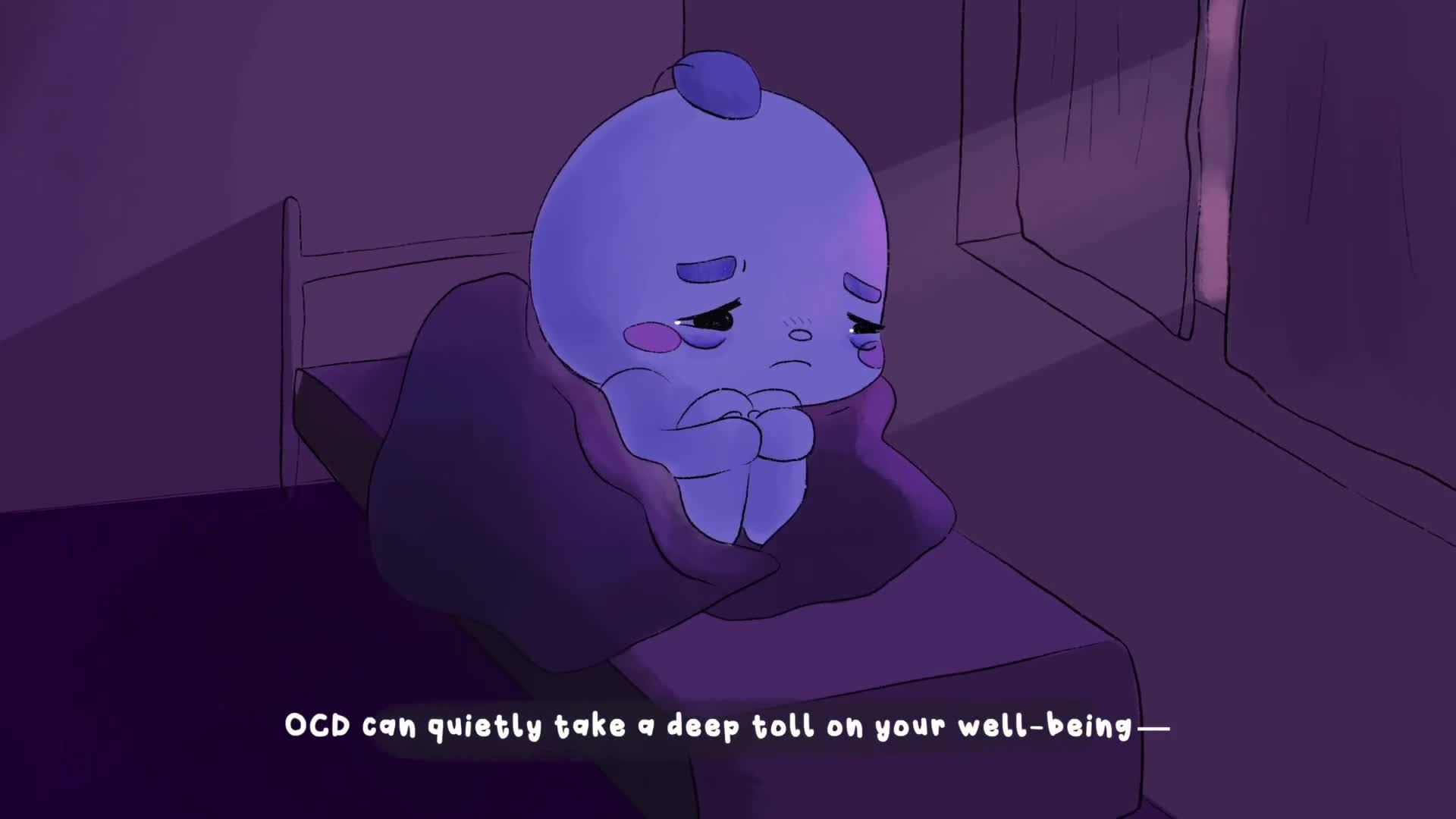
[Understanding the Invisible Toll of Untreated OCD]-[How OCD Quietly Drains Your Mental Health]
📋 Summary
The Hidden Reality of Untreated OCD
Obsessive-Compulsive Disorder (OCD) is frequently misunderstood by the general public. While many associate the condition with stereotypes like extreme neatness or excessive hand-washing, these manifestations represent only a fraction of the experience. When left untreated, OCD becomes a silent, pervasive force that compromises an individual's physical, mental, and emotional well-being. Recognizing the symptoms beyond the stereotypes is the first critical step toward recovery.
The Burden of Intrusive Thoughts: Beyond Perfectionism
One of the most distressing aspects of OCD is the phenomenon of "harm OCD." Individuals suffering from this may be plagued by violent or disturbing, intrusive thoughts—fears about self-harm, hurting others, or committing unthinkable acts. It is vital to understand that these thoughts do not imply that a person is dangerous or violent. In fact, the intense distress caused by these thoughts is a testament to the person’s values; they are horrified by the very content of their obsessions.
Because these thoughts are frequent, difficult to ignore, and deeply disruptive, they often lead to a crisis of identity. People may fear they are "morally broken," yet these thoughts are merely symptoms of a mental health condition, not a reflection of the individual's true character. Research from 2015 highlights that many people fail to seek help simply because they do not realize their experiences constitute a diagnosable condition. Receiving a formal diagnosis acts as a "lifeline," providing a name to the guilt and shame that have been weighing them down.
Social Isolation and Emotional Exhaustion
OCD exerts a significant toll on social interactions. Without a diagnosis, individuals may struggle to understand why they feel agitated or anxious in social settings. Intrusive thoughts can arise during conversations, leading people to obsess over whether they said the wrong thing or to feel the need to "script every interaction in advance."
This behavior creates emotional distance and exhaustion, often resulting in social withdrawal. The struggle is compounded by the fact that OCD frequently co-occurs with conditions like agoraphobia, making public or social spaces feel increasingly intimidating. The cycle of anxiety and the internal pressure to perform socially can leave individuals feeling isolated, as they struggle to maintain connections while battling their own internal narratives.
The Theft of Time: Rituals and Rumination
Time is one of the primary metrics mental health professionals use to diagnose OCD. When compulsions—whether physical rituals like checking locks or internal processes like "rumination OCD" (often called "pure O")—consume hours of one's day, the disorder becomes debilitating.
In cases of rumination, the compulsions are invisible to others. A person may spend hours replaying past conversations, analyzing "what-if" scenarios, or scanning their thoughts for potential danger. This perpetual state of hyper-vigilance means the brain never gets to rest. This constant analysis of worst-case scenarios robs the individual of their energy and peace of mind. As noted in the discussion, untreated OCD "quietly robs people of their time, energy, and peace of mind," making daily life feel like a continuous battle.
The Path Forward: Evidence-Based Treatment
There is significant hope for those suffering from OCD. Evidence-based treatments, such as Exposure and Response Prevention (ERP), are specifically designed to address the mechanisms of the disorder. Unlike traditional talk therapy, which can sometimes inadvertently exacerbate symptoms, ERP helps patients learn how to respond to their thoughts differently.
Studies from 2013 demonstrate that a combination of therapy and medication can significantly improve the quality of life for those with OCD. Even for those who have had unsuccessful experiences with therapy in the past, understanding that their struggle has a name and a clinical path forward is transformative. Seeking help from a mental health professional allows individuals to reclaim their time, reconnect with their true selves, and find relief from the heavy burden they have been carrying.
Deep Learning with ListenLeap


