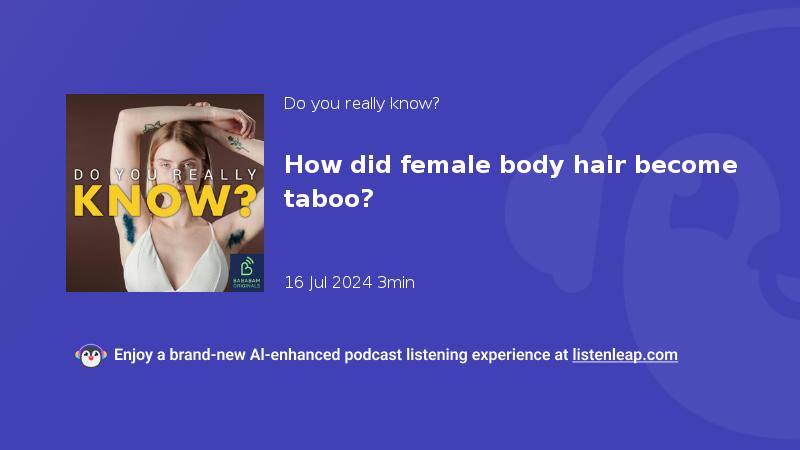
[여성의 체모는 어떻게 금기가 되었는가: 사회적 통제와 미의 기준의 역사]-[How did female body hair become taboo?]



📋 Summary
여성 체모의 역사와 사회적 금기의 형성
인간의 몸에는 약 500만 개의 'hair follicles'(모낭)이 존재하며, 이는 남녀 모두에게 공통된 생물학적 특징입니다. 체모는 체온을 조절하고 민감한 부위를 감염으로부터 보호하는 등 중요한 기능을 수행함에도 불구하고, 현대 사회에서 여성의 체모는 강력한 'taboo'(금기)의 대상이 되었습니다. 이러한 현상은 단순한 미적 취향을 넘어 'gendered social control'(젠더화된 사회적 통제)의 산물이라고 할 수 있습니다.
고대 문명에서의 체모 제거: 계급과 정화의 상징
체모 제거는 현대에 갑자기 등장한 현상이 아닙니다. 고대 메소포타미아, 히브리, 인도 문명에서 체모 제거는 'purification'(정화)의 한 형태로 간주되었습니다. 또한 고대 그리스와 로마 시대에는 체모 제거 여부가 'social class'(사회적 계급)를 나타내는 지표이기도 했습니다. 당시에는 가난한 사람들은 체모를 제거할 여유가 없었기 때문에, 체모 제거는 부와 지위의 상징으로 여겨졌습니다. 주목할 점은 고대 문명에서는 남녀 모두 체모를 제거했다는 사실입니다.
현대적 금기의 탄생: 진화론과 상업주의의 결합
현대 사회에서 체모가 'gendered issue'(젠더화된 문제)로 변질된 것은 19세기 후반부터입니다. 찰스 다윈은 그의 저서 'The Descent of Man'에서 체모가 적은 사람이 더 'sexually attractive'(성적으로 매력적)하다고 주장하며 진화론적 근거를 제시했습니다. 이후 20세기 들어 의료 전문가들이 체모를 신체적, 정신적 건강 문제와 연결 지으면서 여성의 체모에 대한 부정적 인식이 확산되었습니다.
이러한 인식은 곧 거대 기업들의 'beauty products'(미용 제품) 마케팅과 결합했습니다. 광고주들은 겨드랑이 털을 'embarrassing'(당혹스러운)하거나 'unsightly'(보기 흉한) 것으로 묘사하며 여성들에게 체모 제거를 강요했습니다. 1915년 질레트(Gillette)가 최초의 여성용 면도기를 출시한 이후, 제2차 세계대전 당시 나일론 스타킹 부족 사태를 겪으며 다리털 제모는 여성들의 'norm'(규범)으로 자리 잡았습니다.
성적 대상화와 현대적 변화
20세기 후반, 비키니의 등장과 'pornography'(포르노그래피) 산업의 성장은 음모 제모를 보편화했습니다. 특히 TV 프로그램 'Sex in the City'나 빅토리아 베컴 같은 유명인들에 의해 'Brazilian'(브라질리언 왁싱) 스타일이 대중화되었습니다. 이는 여성의 몸이 어떻게 보여야 하는지에 대한 사회적 압박이 극에 달했음을 보여줍니다.
변화하는 인식: 페미니즘과 바디 포지티브
오랜 시간 동안 페미니스트들은 여성이 자신의 신체를 스스로 결정할 권리를 주장하며 체모에 대한 금기를 깨기 위해 노력해 왔습니다. 21세기에 들어서며 'body positive movement'(바디 포지티브 운동)와 'gender fluidity'(젠더 유동성)에 대한 수용도가 높아짐에 따라, 더 많은 젊은 여성들이 자신의 체모를 있는 그대로 받아들이고 있습니다. 이제 여성의 체모는 수치스러운 것이 아니라, 개인의 선택과 신체 자율성의 영역으로 다시금 재정의되고 있습니다.