한국어 箭头
Podcast Cover

[심리치료의 지혜: '빈 의자 기법'을 통한 감정의 해방]-[Empty Chair Therapy: Heal Your Past, Improve Your Future]


The School of Life · B1 ·

Psychology
또는 웹버전으로 공부하세요

📋 Summary

감정의 응어리를 풀어내는 '빈 의자 기법'의 힘

심리치료 분야에서 가장 단순하면서도 강력한 도구 중 하나로 꼽히는 것이 바로 '빈 의자 기법(empty chair technique)'입니다. 이 기법은 우리가 마음속 깊은 곳에 묻어두었던 갈등과 분노를 외부로 표출하여, 그 독성을 제거하고 정신적 자유를 찾는 데 도움을 줍니다.

마음속에 머무는 불편한 존재들

우리는 살면서 끊임없이 타인에 대한 감정과 씨름합니다. 'long-dead absent father(오래전 떠난 아버지)', 'neglectful mother(무관심한 어머니)', 혹은 'traitorous so-called friend(배신자라 불리는 친구)'와 같은 인물들이 우리의 머릿속을 맴돕니다. 우리는 밤늦게나 출근길에 이들을 떠올리며 그들의 'offences(범죄적 행위)'로 인해 잠을 설치고 소화 불량을 겪기도 합니다. 하지만 'fear of retribution(보복에 대한 두려움)'이나 'dread of vulnerability(취약해지는 것에 대한 공포)' 때문에 우리는 진심을 털어놓지 못하고, 이러한 감정들은 'latent form(잠재적인 형태)'으로 남아 우리의 건강을 해치고 기분을 우울하게 만드는 'static frustration(정적인 좌절감)'의 층을 형성합니다.

'빈 의자'와의 대화: 명료함과 해방

치료사의 인도 하에 빈 의자를 앞에 두고 대화를 시작하면, 우리는 생각보다 훨씬 'eloquent(설득력 있는)' 자신을 발견하게 됩니다. 의자를 단순히 가구로 보는 것이 아니라 그 사람이라고 가정하고 대화를 시도할 때, 우리는 비로소 'cloudy annoyance(희미한 짜증)'를 구체적인 언어로 끄집어낼 수 있습니다.

예를 들어, "Why did you think that your responsibility stopped at providing for them materially?(왜 당신의 책임이 물질적인 부양에서 끝난다고 생각했나요?)"와 같은 질문을 던지는 과정은 단순한 불평 그 이상의 의미를 갖습니다. 'Anger is a poison, and to speak it is to drain it of its malevolent force.(분노는 독이며, 그것을 말하는 것은 그 악의적인 힘을 배출하는 것이다)'라는 말처럼, 타인에게 직접 말하는 것보다 중요한 것은 우리가 스스로의 목소리로 감정을 'concrete articulation(구체적으로 표현)'할 기회를 갖는 것입니다.

'착한 아이'로 자란 이들을 위한 치유

이 기법은 특히 어린 시절 'extremely good boys and girls(지나치게 착한 아이들)'로 자라야 했던 사람들에게 유용합니다. 부모의 알코올 중독이나 폭력성, 혹은 형제의 질병 등으로 인해 자신의 감정을 억누르고 'meekness and good humour(온순함과 좋은 기분)'를 유지하는 법만을 배운 이들은, 성인이 되어서도 불만을 제기하는 방법을 모릅니다.

우리는 침묵을 통해 안전하게 어른이 되었을지 모르지만, 그 'ongoing nature(지속되는 침묵의 습관)'는 남은 인생을 망칠 위험이 있습니다. 빈 의자 기법은 우리가 'collapsing into humiliating tears(굴욕적인 눈물을 흘리며 무너지거나)' 혹은 'escalating into unmanageable fury(통제할 수 없는 분노로 치닫는)' 일 없이도 자신의 감정을 표현할 수 있다는 안도감을 줍니다.

지금 바로 시작하는 연습

우리는 'catastrophe(파국)'를 두려워하지 않고도 자신의 필요를 주장할 수 있습니다. "Standing up for ourselves(자신을 위해 당당히 맞서는 것)"은 반드시 타인에게 공격적으로 비춰지지 않습니다. 지금 당장 치료사가 없더라도 방 안의 빈 의자를 바라보며 스스로에게 물어보십시오. "Who should be sitting there?(누가 저기에 앉아 있어야 하는가?)" 그리고 "What have I needed to tell them for the longest time?(내가 그들에게 오랫동안 하고 싶었던 말은 무엇인가?)" 이 단순한 질문이 당신의 억눌린 감정을 해방하는 첫걸음이 될 것입니다.
🎯Key Sentences

1
Many of us spend a good deal of time ruminating on difficult people in the recesses of our minds.
우리 중 많은 사람들이 마음속 깊은 곳에서 힘든 사람들에 대해 곰곰이 생각하며 많은 시간을 보낸다.
2
We say that so-and-so really deserves a comeuppance, or that we'd love to give X or Y a taste of what we actually think.
우리는 흔히 누가 인과응보를 받아 마땅하다거나, X나 Y에게 우리가 속으로 생각하는 바를 제대로 보여주고 싶다고 말한다.
3
The feelings remain in us in a latent form, contributing to a layer of static frustration that damages our health and lends a compulsive quality to our moods.
감정은 우리 안에 잠재된 형태로 남아 건강을 해치는 정적인 좌절감을 더하고, 우리의 감정 상태를 강박적으로 만드는 데 기여합니다.
4
Now, under the aegis of a therapist, we can give form to our cloudy annoyance.
이제 치료사의 지도 아래, 우리는 흐릿한 짜증을 구체화할 수 있습니다.
5
Once we move past the hesitation at the particular strangeness of discoursing with a seat, we may find that we are a great deal more eloquent than we supposed, far more sure of what we needed to say, far more at home with letting the world energetically know how things look through our eyes.
의자와 대화하는 낯선 상황에 대한 어색함을 극복하고 나면, 우리는 생각보다 훨씬 더 유창하게, 무엇을 말해야 할지 훨씬 더 확신을 가지고, 세상에 우리의 시각을 적극적으로 알리는 데 훨씬 더 익숙해져 있음을 깨닫게 될지도 모릅니다.
모두 펼치기

📝Key Phrases

1
wrestling with their feelings
감정을 억누르며 힘들어하다
2
to all intents
사실상
3
ruminating on
곰곰이 생각하며
4
give someone a taste of
본때를 보여주다
5
under the aegis of
보호 아래
모두 펼치기

📖 Transcript

One of the simplest and most useful exercises that psychotherapy has gifted to us is known as the empty chair technique.
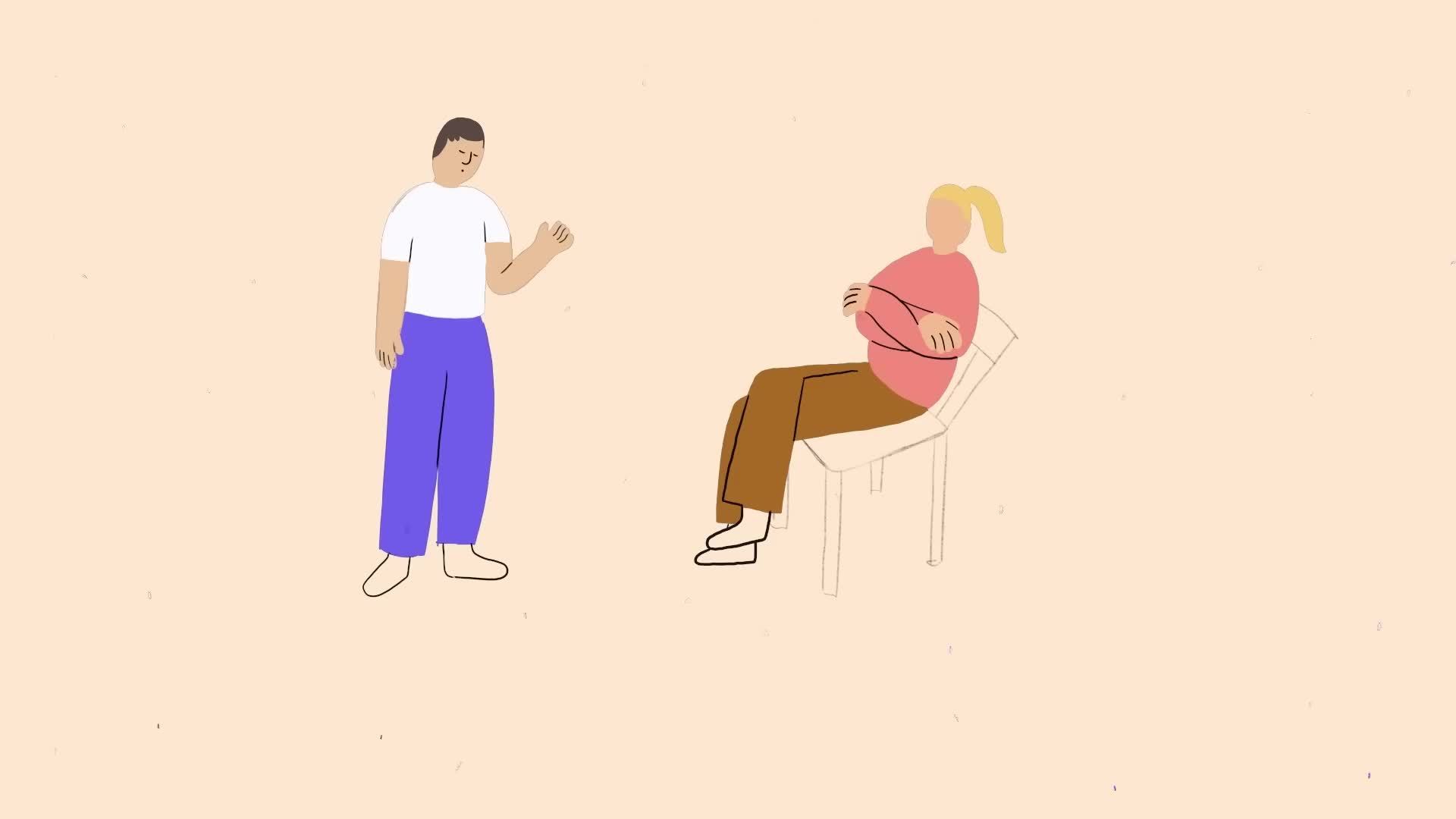
A client who's been wrestling with their feelings towards someone is gently requested to stop discussing them in the third person and is instead invited to face a chair and start talking to this bit of furniture as if it were, to all intents, the specific troubling person in their life, perhaps a long-dead absent father, a neglectful mother or a traitorous so-called friend.
Many of us spend a good deal of time ruminating on difficult people in the recesses of our minds.
We say that so-and-so really deserves a comeuppance, or that we'd love to give X or Y a taste of what we actually think.
We find ourselves returning to them again and again late at night and on the journey to work, their offences interrupting our sleep and spoiling our digestion.
And yet we rarely speak with any degree of clarity or sincerity out of a fear of retribution, a dread of vulnerability, a pessimism as to the chances of being understood, or perhaps stubbornly ingrained good manners.

ListenLeap이 실제 문맥에서 학습하도록 이끌어줌

🎨 흥미로운 콘텐츠
🌍 실제 자료
📱 언제든 듣고 보기
