
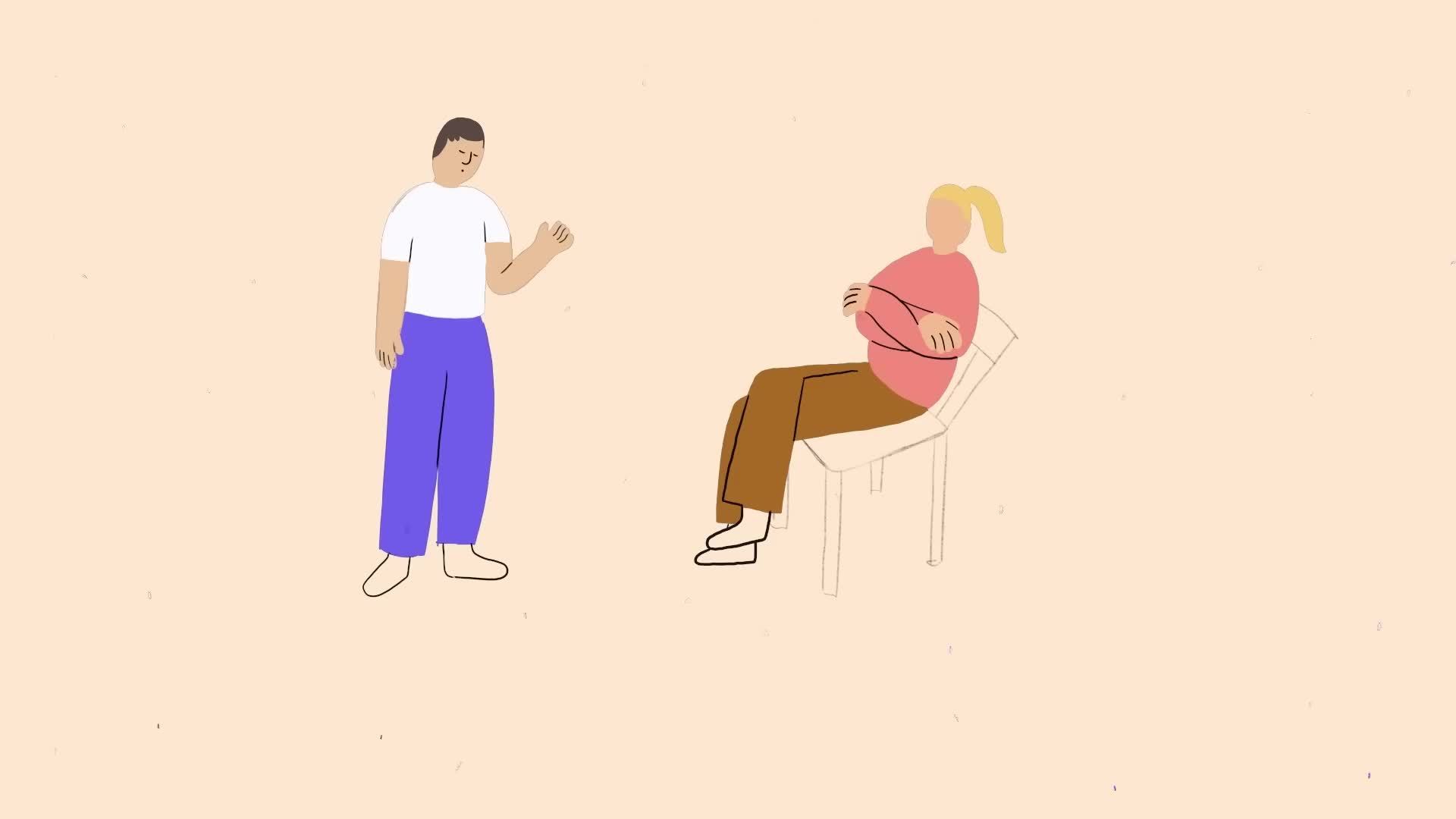
[Unlocking Emotional Clarity: The Transformative Power of the Empty Chair Technique]-[Empty Chair Therapy: Heal Your Past, Improve Your Future]
📋 Summary
The Empty Chair Technique: A Gateway to Emotional Liberation
In the landscape of modern psychotherapy, few tools are as deceptively simple yet profoundly transformative as the "empty chair technique." This exercise invites individuals to bypass the limitations of internal rumination and confront the people who haunt their thoughts by projecting them onto a physical object: an empty chair. By treating this piece of furniture as a proxy for a "long-dead absent father," a "neglectful mother," or a "traitorous so-called friend," individuals can externalize feelings that have long been trapped in the "recesses of our minds."
The Burden of Unspoken Grievances
Many of us suffer from a persistent "layer of static frustration" because we rarely express our true feelings with "clarity or sincerity." Whether due to a "fear of retribution," a "dread of vulnerability," or "stubbornly ingrained good manners," these latent emotions fester, spoiling our sleep and digestion. We often find ourselves "ruminating" on those who have wronged us, wishing we could give them a "taste of what we actually think." However, without a safe container for these thoughts, the anger remains a "poison," damaging our health and creating a "compulsive quality to our moods."
The Power of Concrete Articulation
When we engage with the empty chair, we move beyond the strange hesitation of talking to an object and discover that we are "a great deal more eloquent than we supposed." This process of "concrete articulation and a public audition" allows us to voice specific, pointed questions: "Dad, why did you have children if you couldn't even be bothered to get to know them?" or "Chris, why do you pretend that you don't want to be intrusive when in fact, you just never take an interest in me?"
By giving form to our "cloudy annoyance," we drain the anger of its "malevolent force." The podcast highlights a crucial psychological insight: it matters far less that we are heard by the actual person than that we have the "chance to speak" our truth out loud.
Breaking the Cycle of 'Good' Behavior
This technique is particularly vital for those who grew up as "extremely good boys and girls." If one's childhood was marked by a parent who was an "alcoholic" or "violent," or a mother who was "neglectful," survival often depended on "meekness and good humour." These individuals learned to "smile and appease" when they truly needed to "wail at the unfairness and cruelty of it all."
While this silence may have provided a "safe enough passage into adulthood," it now threatens to "ruin the remaining years." Many fear that speaking up will lead to either "collapsing into humiliating tears" or "escalating into unmanageable fury." The empty chair technique acts as a bridge, reassuring us that we can assert our needs without "bringing about the catastrophe we fear."
Conclusion: Taking Control
We do not need to wait for a professional therapist to begin this process. We can start immediately by looking across the room at the "nearest available chair" and asking ourselves: "Who should be sitting there, and what have I needed to tell them for the longest time?" Through this practice, we learn that we can speak without shouting, say no without being alarming, and stand up for ourselves without feeling "entitled or unworthy." By reclaiming our voice, we transform our past silence into a present, powerful clarity.
Deep Learning with ListenLeap


