
[The Ecological Restoration of Yellowstone: How Apex Predators Rebalanced a National Treasure]-[Yellowstone: The World’s First National Park! _ SciShow Kids]
📋 Summary
The Ecological Restoration of Yellowstone: A Lesson in Balance
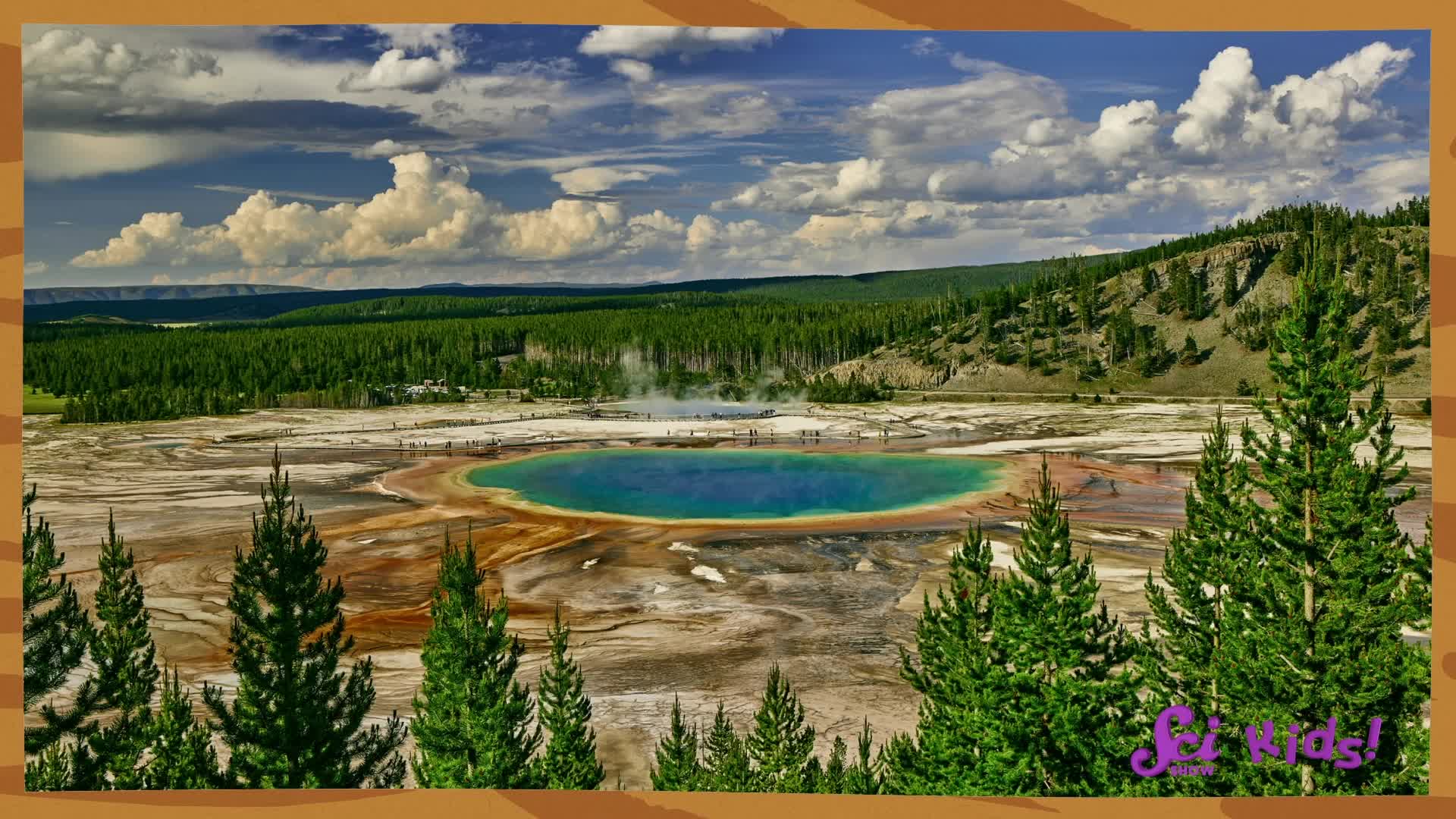
Yellowstone National Park is globally recognized as the world's first national park, established in 1872 to preserve the "wonders of nature." However, the history of this iconic landscape is a complex narrative of human intervention, ecological disruption, and eventually, scientific restoration. By examining the history of gray wolves in the region, we gain a profound understanding of how delicate and interconnected an ecosystem—the network of living and non-living things that rely on each other—truly is.
The Human Impact and the Removal of Predators
For over 11,000 years, the land now known as Yellowstone was home to various Native American communities, including the Shoshone, Crow, Blackfeet, Bannock, and Nez Perce nations. Following the park's establishment, human settlers began transforming the surrounding landscape, converting forests and prairies into farms and ranches. This expansion disrupted the habitat of native animals and introduced cattle, creating direct conflict with natural predators like the gray wolf.
Despite the park's protective status, the government permitted the extermination of wolves, driven by the settlers' fears that these predators would kill their livestock and threaten human safety. By the 1940s, the gray wolf population had been decimated, leading to severe, unforeseen consequences for the park’s environment.
The Collapse of the Ecosystem
With the removal of the apex predator—an animal that consumes prey but has no natural predators of its own—the Yellowstone ecosystem became dangerously unbalanced. The absence of wolves led to a population explosion of elk. Because there were fewer predators to control their numbers, the elk overgrazed the land, consuming vast amounts of vegetation.
This overgrazing triggered a cascade of negative effects:
- Loss of Habitats: There were fewer plants for rabbits to hide in, fewer trees for birds to nest in, and fewer flowers for insects.
- Resource Depletion: Eventually, even the elk population began to suffer as the over-consumed plant life became insufficient, leading to starvation.
- Environmental Degradation: The loss of vegetation affected the very soil and water quality of the mountains, proving that the removal of one species ripples through the entire biological community.
Restoration: Bringing Back the Balance
Recognizing the damage caused by the disappearance of wolves, a collective effort involving scientists, tribal nations, hunters, and writers emerged to advocate for the species' return. This movement shifted public perception, leading to the development of a reintroduction plan in 1987.
In the mid-1990s, 31 gray wolves were brought to Yellowstone from Canada. This reintroduction was a pivotal moment for ecological management. The wolves resumed their role as apex predators, effectively managing the elk population. As the elk numbers stabilized, the vegetation began to recover. This resurgence of plant life provided new habitats for birds, rabbits, and insects, successfully rebalancing the ecosystem.
Conclusion: A Thriving Legacy
Today, the success of the reintroduction program is evident. With roughly 100 wolves living inside the park and another 500 in the surrounding areas, the ecosystem is healthier and more resilient. The elk population, while smaller, is now healthier, and the park’s biodiversity has flourished.
Yellowstone serves as a powerful testament to the necessity of apex predators. The story of the gray wolf reminds us that nature is not merely a collection of individual species, but a complex, interconnected web. When humans intervene, we must be prepared to protect the delicate balance that sustains life, ensuring that places like Yellowstone remain the vibrant, natural wonders they were intended to be.

Deep Learning with ListenLeap


