
[The Science Behind Onion Tears: Why We Cry and How to Stop It]-[Why do we cry when we cut onions?]
📋 Summary
The Chemistry of Crying: Why Onions Make Us Tear Up
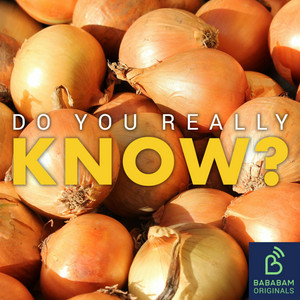
Preparing a meal often hits a snag when you start chopping onions, leading to watery and stinging eyes. While these tears have nothing to do with sadness, they are the result of a sophisticated biological defense mechanism. Onions, much like other produce, remain technically alive after harvest, and they utilize specific chemical reactions to protect themselves from being consumed.
The Mechanism of Irritation
When you break the skin of an onion, you are essentially triggering a chemical reaction. According to Healthline.com, onions contain enzymes and sulfenic acid. When the onion's cells are ruptured—a process similar to how garlic and shallots operate—these compounds combine to produce "propanethyl S-oxide," which is an "irritating gas."
Because onions grow underground and absorb sulfur from the soil, this gas is sulfur-based. Once the gas is released into the air and makes contact with the "tear fluid" in your eyes, it transforms into "sulphuric acid." This reaction is the direct cause of the stinging sensation and the subsequent involuntary production of tears.
Practical Tips to Prevent Crying
There are several effective ways to mitigate this reaction by altering the onion's chemistry or the environment in which you work:
- Hydration: Peeling onions next to a bowl of water can help, as water tends to "capture the gas." Alternatively, as chef Russell Jackson suggests, dunking the onion in "ice water" or "boiling water" for 30 seconds can change the chemistry, though he notes this may affect the onion's texture.
- Temperature Control: Putting the onion in the fridge for 10 minutes before chopping is highly effective. This causes the sulfuric acid to "evaporate much more slowly," providing you with a larger window of time to cut the onion before the gas reaches your eyes.
- Technique: Using a "really sharp knife" is essential. Additionally, you should start by "cutting the root end off" and ensure you are working in a "well-ventilated area" to disperse the gas quickly.
The Evolution of Onions: The 'Sunion'
If you prefer to avoid the hassle altogether, there is a specialized variety of onion known as "Sunions." These are brown onions with a "mild sweet taste" that have been specifically designed to be tear-free.
It is a common misconception that these are genetically modified; rather, Sunions are the result of three decades of "cross-breeding several varieties." While they were developed for a long time, they became available in the US in 2018 and later in the UK at Waitrose in 2022. However, they do come with an "inflated price tag," often costing significantly more than regular onions.
Understanding the science behind these common kitchen occurrences allows us to move from frustration to mastery, turning a culinary chore into a simple, tear-free process.
Deep Learning with ListenLeap


