
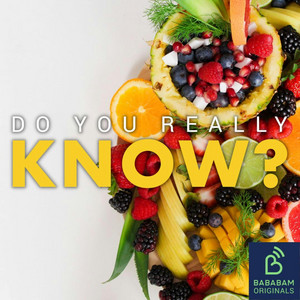
[The Hidden Truth: Why Some Fruits Don't Meet Vegan Standards]-[Why are some kinds of fruit not considered vegan?]
📋 Summary
The Hidden Truth: Why Some Fruits Don't Meet Vegan Standards
For many, the transition to a vegan lifestyle is rooted in a clear, universal baseline: the avoidance of animal flesh and byproducts such as milk, eggs, cheese, or honey. However, as the podcast highlights, the reality of food production is far more complex than a simple glance at a grocery label might suggest. Many fruits, which are intuitively categorized as plant-based, often harbor hidden animal-derived components or are linked to practices that challenge the strict definition of veganism.
The Biological Paradox: Figs and Wasps
Perhaps the most startling revelation for many is the case of the fig. When one is "relishing a juicy fig," they may be unaware that they are "chowing down on a wasp." The podcast explains that "fig wasps" pollinate figs from the inside, and because these insects are tiny—measuring only "1 to 2mm long"—they often get stuck inside the fruit. While the consumer remains blissfully unaware, the presence of these insects complicates the fruit's status for those adhering to a strictly vegan diet.
Beyond the Fruit: Additives and Coatings
Beyond natural biological interactions, the modern food industry frequently utilizes animal-derived substances to extend shelf life or enhance appearance. A primary concern for vegans is the use of coatings on common produce. Fruits like "oranges, lemons, apples and pears might be coated with beeswax or shellac," the latter of which is a resin derived from an Asian cochineal. These substances are also frequently found in "candy coatings."
Similarly, some bananas undergo a treatment using a solution containing "chittazan," a component sourced from the "exoskeleton of crustaceans." These additives serve to delay ripening, yet they directly contradict the vegan principle of avoiding products that utilize animal byproducts.
Ethical Cultivation and Human Rights
Veganism is not solely about the ingredients contained within the food; for many, it encompasses the ethics of cultivation. The podcast notes that some individuals steer clear of items linked to "environmentally questionable" or "sketchy human and environmental practices."
Specific examples cited include "Mexican avocados" and coconuts from Thailand. Regarding the latter, the podcast points out that some consumers avoid them because the harvest process "often involves exploited monkeys." These moral qualms demonstrate that the definition of vegan food often expands to include the labor and environmental impact behind the supply chain.
Navigating the Grocery Aisle
Given these hidden factors, how can a conscious consumer make informed choices? The podcast highlights that accountability is beginning to shift toward major retailers. For instance, in August 2022, "Tesco came under fire" for selling citrus fruit coated in non-vegan wax. Consequently, the company announced it would "start labeling non-vegan fruit" to empower customers.
For those concerned about unintentionally consuming non-vegan produce, the podcast offers two practical strategies:
- Opt for Organic: Choosing organic fruit is a reliable safeguard, as such produce is "always free from such treatments."
- Engage with Local Vendors: If shopping at a local market, consumers should feel encouraged to "pop the question" to the seller regarding the cultivation and treatment of the produce.
Ultimately, understanding the true meaning behind food production is essential. By looking past the surface, consumers can align their eating habits more closely with their values, ensuring that their choices are as ethical and plant-based as they intend them to be.
Deep Learning with ListenLeap


