
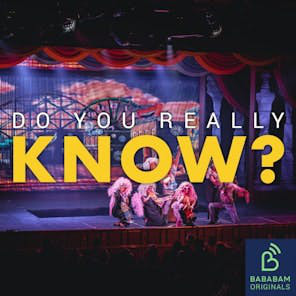
[The Evolution of British Panto: From Ancient Rome to Modern Christmas Tradition]-[Why is panto a Christmas tradition in the UK?]
📋 Summary
The Origins and Evolution of British Pantomime
British pantomime, affectionately known as "panto," is a quintessential element of the UK's festive season. While it is now synonymous with Christmas celebrations, its historical roots are surprisingly international and ancient, transcending both geography and specific religious holidays.
Ancient Roots and the Meaning of 'Pantomime'
The term "pantomime" is derived from the Latin word pantomimeus, which translates to "actor who plays every role." This theatrical tradition traces its origins back to the ancient Roman festival of Saturnalia. During this December celebration, societal norms were inverted; participants engaged in activities such as "dressing up as the opposite gender" and "swapping roles," which laid the early foundations for the gender-bending traditions that persist in modern panto.
The Influence of Commedia dell'Arte
In the 16th century, Italian actors traveling across Europe introduced a theatrical genre known as commedia dell'arte. This was a highly "improvised theatre" form that utilized "masked actors" to portray iconic "stock characters." These archetypes included "the cunning servant, the foolish old man, the young lovers and the boastful soldier."
By the 18th century, these characters—specifically "harlequin, columbine and pantoine"—began to deeply influence English entertainment. The transition into what we recognize today began with the "harlequinade," a "comic scene" that originally followed serious plays. Over time, this evolved by "incorporating elements from other theatrical traditions such as masks, musical and fairy tales."
Panto’s Integration into British Culture
One of the earliest and most significant examples of this adaptation was Dick Wittington and his cat. This narrative, focusing on a "poor boy who became rich with the help of his cat," became a staple of the 18th century. Its popularity was so immense that it was frequently "revived and especially performed on boxing day." As the genre matured, it expanded its repertoire to include "nursery rhymes" like Humpty Dumpty, classic literature such as Alice in Wonderland, and traditional fairy tales including Cinderella and Snow White.
Key Features of Modern Panto
Today, panto serves as one of the "most popular forms of theatre in the UK," drawing millions of attendees annually. Its enduring appeal is largely due to its interactive nature, which demands "audience participation." Key conventions include:
- Audience Interaction: The audience is expected to be vocal, "singing along to songs," "booing villains," or "cheering the heroes."
- Classic Tropes: A staple of the performance is the warning shout of "he's behind you," used to alert the hero of "impending danger."
- Gender Roles: Panto is famous for its subversion of traditional casting. The "panto dame is always played by a man," while the hero, usually cast as "the prince, who's always played by a woman," creates a playful, traditional dynamic that audiences have come to expect.
In conclusion, the British panto is far more than a mere holiday show. It is a complex, evolving tradition that synthesizes ancient Roman customs, Italian improvisational comedy, and British folklore to create a unique, participatory theatrical experience that remains a cornerstone of the modern Christmas season.

Deep Learning with ListenLeap


