
[The Healing of the Ozone Layer: A Triumph of Global Environmental Cooperation]-[Why is it so important that the ozone layer heals?]
📋 Summary
The Healing of the Ozone Layer: A Triumph of Global Environmental Cooperation
Introduction: From Climate Anxiety to Climate Optimism
In an era where environmental news is frequently characterized by "doom and gloom," it is refreshing to encounter a narrative of progress. Recent discussions have highlighted a shift from climate anxiety to "climate optimism," a trend exemplified by the encouraging status of the Earth's ozone layer. Contrary to popular belief, the scientific community reports that the ozone layer is actively healing, providing a tangible example of what international cooperation can achieve.
Understanding the Ozone Layer and the "Hole" Misconception
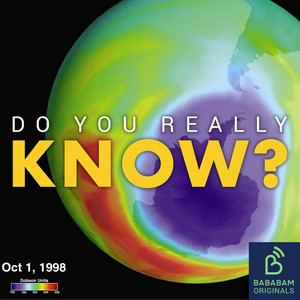
The term "hole in the ozone layer" is a common misnomer. As clarified by the podcast, the phenomenon refers to the "thinning in areas" of the ozone layer rather than an actual physical void. First identified in 1985 by scientists Joseph Farman, Brian Gardner, and Jonathan Shanklin of the British Antarctic Survey, the state of this atmospheric shield is monitored through the "Scientific Assessment Of Ozone Depletion Report," published quadrennially by the World Meteorological Organization and the United Nations Environment Program.
The Vital Function of the Stratospheric Shield
Located in the stratosphere, over 30 miles above the ground, the ozone layer acts as a "protective shield over planet Earth." Its significance is difficult to overstate. Emerging approximately 600 million years ago as a byproduct of oxygen emitted by ocean algae via photosynthesis, the ozone layer serves a critical biological function: it absorbs "ultraviolet radiation from the sun." Before this layer developed, life was restricted to deep ocean waters, as surface-level UV radiation would have been lethal to organisms. By preventing this radiation from reaching the Earth's surface, the ozone layer enables life as we know it to exist.
The Montreal Protocol: A Catalyst for Recovery
The healing process is not accidental; it is the direct result of the "Montreal Protocol," an international treaty signed in 1987. This agreement was instrumental in phasing out "ozone depleting compounds" known as chlorofluorocarbons (CFCs). These substances, primarily utilized as "solvents and refrigerants," were devastating to the atmosphere.
Furthermore, the impact of CFCs extended beyond ozone depletion. They are described as "exceptionally potent greenhouse gases." According to National Geographic, the heat-trapping potential of these chemicals is staggering: "a single molecule of CFC 12 can hold nearly 11,000 times the heat of carbon dioxide." By curbing these emissions, the global community addressed both ozone thinning and climate change simultaneously.
Projections for Full Recovery
The latest data from early 2023 indicates a steady path to recovery. The timeline for the ozone layer to return to "pre-1980 levels" varies by region:
- Global average: Expected recovery by 2040.
- Arctic region: Expected full recovery by 2045.
- Antarctic region: Expected recovery by the middle of the 2060s.
Conclusion: Avoiding Complacency
While the healing of the ozone layer is a monumental success story, the podcast emphasizes that the key moving forward is "not getting complacent." The progress made thus far proves that international treaties and global cooperation can effectively reverse environmental damage. The challenge now lies in extending this spirit of success to other critical areas of environmental protection, ensuring that the momentum of climate optimism translates into long-term ecological stability.
Deep Learning with ListenLeap


