
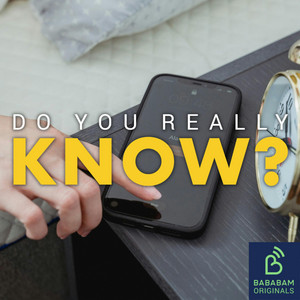
[The Hidden Dangers of Hitting Snooze: Why Your Morning Habit Might Be Hurting Your Health]-[Why shouldn't we use the snooze function on our alarm clock?]
📋 Summary
The Hidden Dangers of Hitting Snooze: Why Your Morning Habit Might Be Hurting Your Health
Introduction: The Temptation of Extra Sleep
For many, the morning alarm is an unwelcome interruption. It is incredibly tempting to press the "snooze button" to grab a few extra minutes of rest. According to a study published in the Sleep Journal by the University of Notre Dame, this is a widespread phenomenon, with 57% of participants admitting to the habit. The data suggests that younger individuals and women are particularly prone to this behavior. However, while this "temporary respite" feels pleasant in the moment, neuroscientists argue that it is far from a "bright idea."
The Physiological Shock: A Repeated Cardiovascular Assault
When an alarm disrupts our natural sleep cycle, the body perceives the wake-up call as a "shock and potential threat." In response, the body secretes a dose of "stress hormone cortisol" to jump-start the muscles, brain, and heart.
By hitting snooze, you are essentially multiplying this shock to the nervous system. Sleep scientist Professor Matthew Walker describes this process as a "cardiovascular assault," noting that the sudden spike in blood pressure and the "shock acceleration in heart rate" are physically taxing. Repeating this process multiple times within a short window means you are "repeatedly inflicting that cardiovascular assault again and again," putting unnecessary strain on your heart.
The Myth of Restorative Sleep
Many believe that snoozing provides a chance to catch up on rest, but the science suggests otherwise. When you hit snooze, you are "restarting a cycle" for only a few minutes. This timeframe is insufficient to reach the REM phase, which is essential for "restorative sleep."
Instead of feeling refreshed, this extended transition between sleep and wakefulness—which can sometimes stretch for hours—leads to "drowsiness and confusion." This state of sleep inertia can have long-term repercussions on mental health, potentially increasing the risk of falling into depression, as sleep habits have a "profound influence on our mood."
Practical Advice for Better Mornings
Ultimately, the body and brain receive a "confusing message" when interrupted repeatedly, struggling to decide whether to activate or return to sleep. The best approach is to secure enough sleep at night so that you do not feel the need to snooze.
If you find yourself struggling to wake up, the experts suggest the following:
- Prioritize wakefulness: It is better to get up right away and, if needed, consider a "daytime nap" for a boost in alertness.
- Strategic placement: Try leaving your alarm "out of arm's reach" so that you are physically forced to get out of bed to silence it.
By breaking the cycle of the snooze button, you can avoid the unnecessary physiological stress and mental fog that plague your mornings, leading to a healthier and more alert start to your day.
Deep Learning with ListenLeap


