
[The Fallacy of Revisionist History: Why We Doubt Our Past Decisions]-[Why You Shouldn't Second Guess Your Decisions]
📋 Summary
The Treacherous Nature of Hindsight
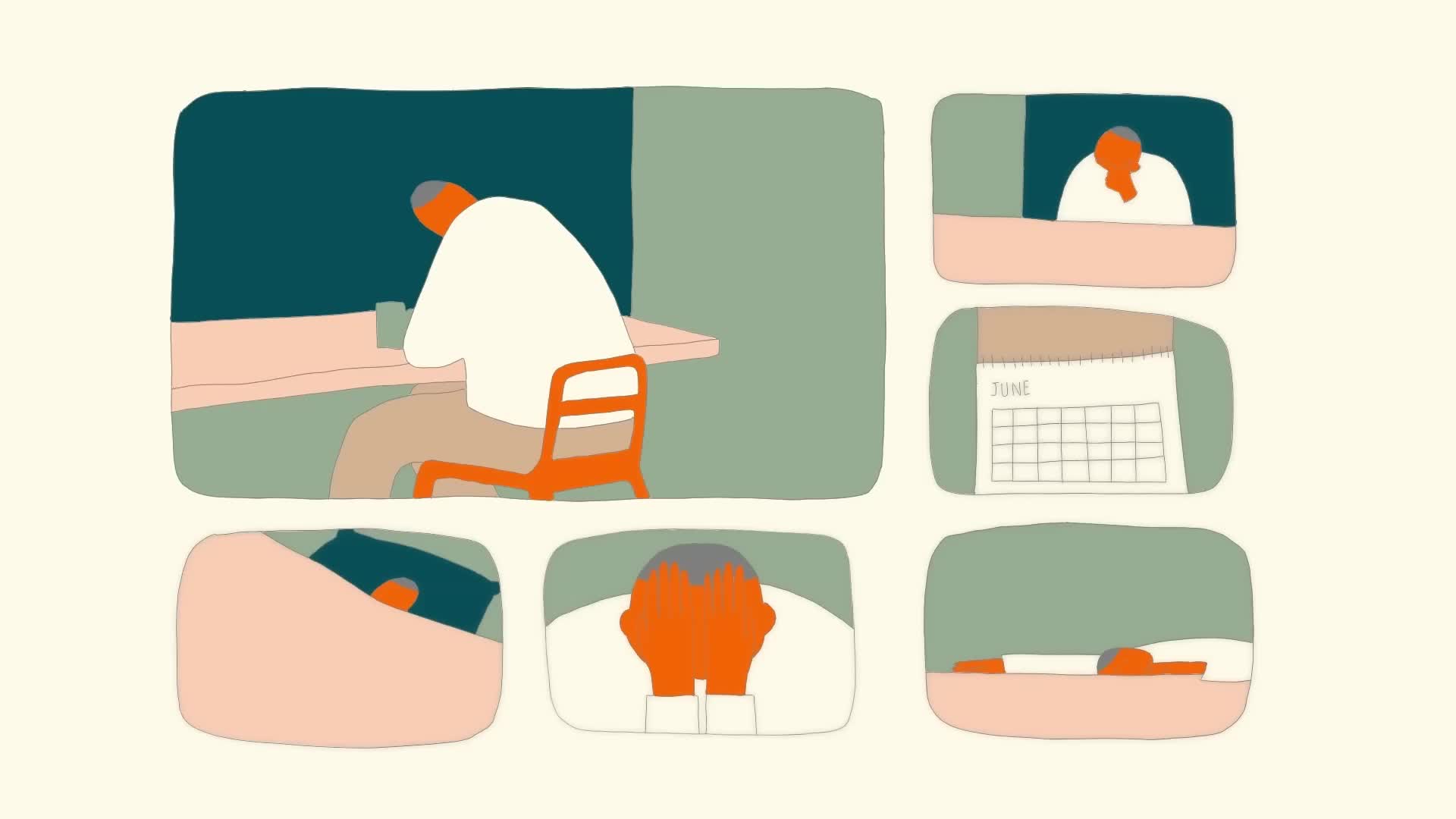
Human existence is frequently complicated by an "exhausting habit": our persistent tendency to retrospectively question our past judgments. What once appeared as a "clear-cut and soundly based decision" often dissolves into a state of "intense doubt, regret, shame, insomnia," and impulsive attempts to reverse our life choices. Whether it involves ending a relationship, choosing a vacation spot, or abandoning a career path, our minds possess a peculiar mechanism that undermines our previous clarity.
The Paradox of Forgetting Pain
At the heart of this revisionist tendency is a psychological feature that is usually beneficial: our "capacity to let go of pain." This faculty is essential for mourning the loss of a loved one or recovering from financial bankruptcy. However, this same mechanism acts as a double-edged sword. By dulling the sharp edges of past negative experiences, it makes us prone to romanticizing an ex-partner we once "worked very sensibly to eject from our lives" or reconsidering a career path we had previously determined was untenable.
The Influence of Emotional Vulnerability
Our judgment is often "clouded and corrupted" by the distance we place between ourselves and the moment of decision. When we find ourselves in states of "intolerable, irrepressible degrees of loneliness and sadness, isolation and confusion," our minds seek relief. We begin to "pick apart and dissolve our judgments" not because the facts have changed, but because the current reality—such as the humiliation of dating apps or a lack of social connection—makes the original, painful truths "indigestible."
We may recall an ex-partner as "funny and clever, sweet and tender," or view a once-dull acquaintance as suddenly "sparky," simply because our current desire for companionship outweighs the objective reality of their character. We are not conducting a rational review of the past; we are responding to the immediate pressures of our present emotional landscape.
A Strategy for Intellectual Integrity
When we wake up wondering if we were "unfair or hasty" in our past decisions, we must engage the "sternest, most reasonable part of us" to take control. We need to critically evaluate whether a sudden revision of our views is actually "accurate or simply convenient."
Ultimately, the podcast argues for the preservation of our past wisdom. When the mind attempts to rewrite history to alleviate the discomfort of the present, we should rely on a "well-worn dictum": trust what you knew then, not what you feel now. By recognizing that our current feelings are often a byproduct of temporary isolation rather than newfound insight, we can protect ourselves from the cycle of repeating past mistakes.

Deep Learning with ListenLeap


