
[The Paradox of Rejection: Why We Flee from Kindness]-[Why Nice People Repel Us]
📋 Summary
The Paradox of Rejection: Why We Flee from Kindness
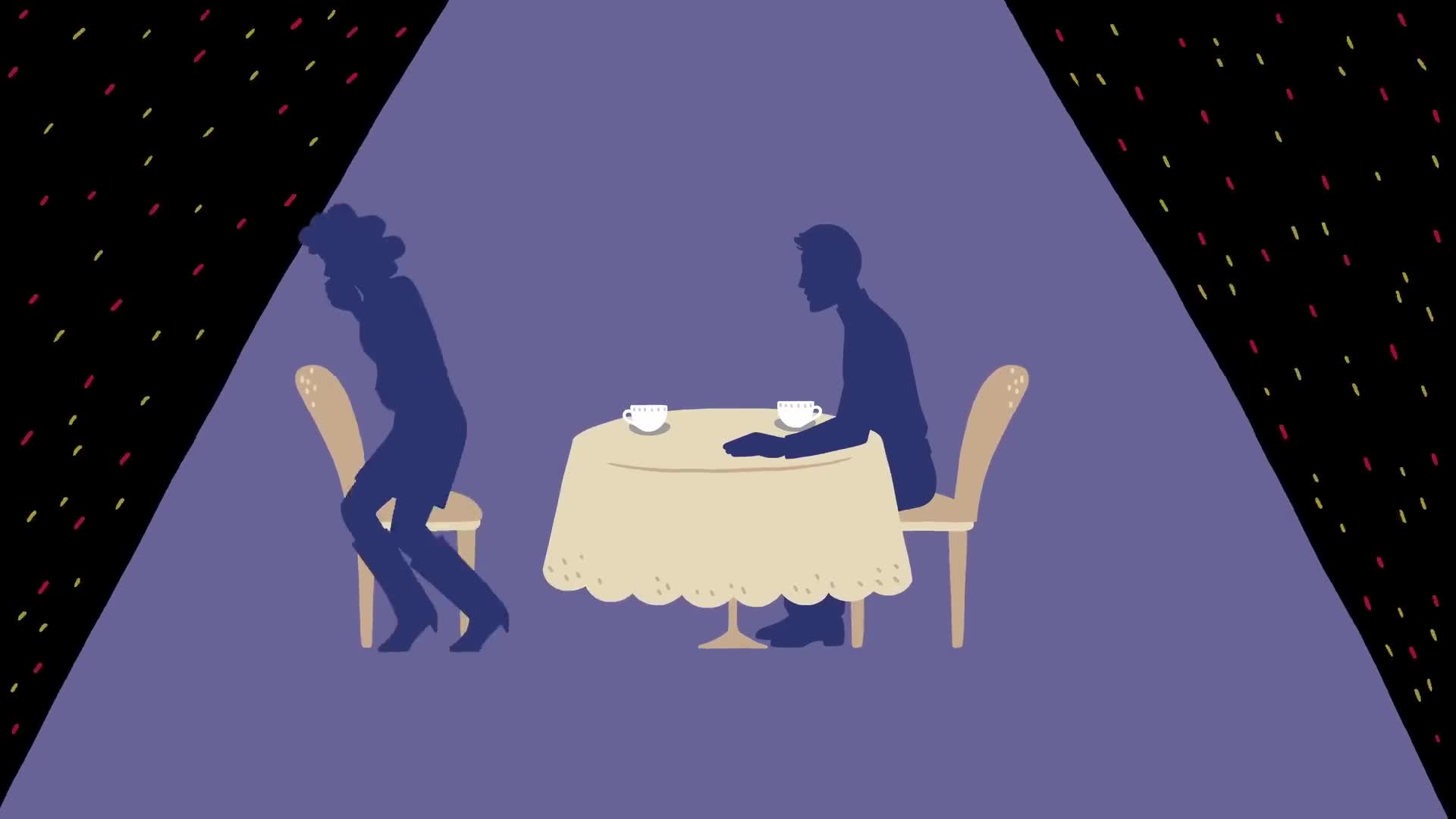
In the landscape of modern dating, we are accustomed to identifying clear deal-breakers: a "maddening political opinion," a "grating laugh," or poor hygiene. These are logical, surface-level reasons to end a connection. However, there exists a far more complex and paradoxical phenomenon: the visceral urge to flee—or even "rush outdoors to vomit"—when faced with a partner who is "undeniably and conspicuously nice." This raises a profound psychological question: Why does emotional maturity and genuine warmth trigger such intense repulsion?
The Architecture of Defense
The root of this "allergic response to warm-heartedness" lies in our past. For many, character is built upon a foundation of coping with the absence of reliable affection. When we grow up without finding "intimate satisfaction" or consistent "tenderness and sympathy," we develop defensive strategies to survive. We learn to "reject before we were rejected" and "firmly exchanged hope for cynicism and vulnerability for impregnability."
By prioritizing these defenses, we insulate ourselves from the pain of disappointment. Consequently, when a kind soul enters our lives, they do not appear as a relief; they appear as a threat. The nausea we feel is not true disgust, but rather a deep-seated fear. It is the fear of having to "shed our defences" and acknowledge that the cold, isolated world we have grown accustomed to might not be the only reality. We are terrified of the possibility that life might not have to be as "frightening as it evidently once was."
The Challenge of Contentment
Society often focuses on the difficulties of emotional misery, but the podcast suggests that the challenges of emotional contentment are significantly more daunting. It is relatively easy to navigate love that fails; we are practiced at turning "minor disasters into dark wit." However, accepting a partner who is "unblemished and sweet" requires us to "unclench our suspicions" and dismantle our "reserves of fear and disdain."
This is why we often lash out at kind partners. We find it tempting to label them "boring or soppy" or make "acid remarks" about their minor habits. These criticisms are not reflections of the partner’s actual character; they are projections of our own internal struggle. We criticize them because they fail to provide the familiar narrative of suffering that we have been conditioned to associate with being in love. We expect to suffer, and when we don't, we feel unsafe.
Toward a New Adventure
Ultimately, our rejection of kind people is not an act of meanness, but a symptom of our own "difficult trajectories." We have had "so little experience of kindness" that its presence feels alien and dangerous. We reject the good to maintain the consistency of the bad.
However, the podcast concludes with a challenge: the next time we feel the "ick of kindness," we should recognize it for what it truly is—a defensive reflex against the unknown potential for happiness. By identifying the true sources of our discomfort, we can choose to overcome our reflexive suspicion. Taking that leap of faith, even when it feels terrifying, is the only way to embark on what could be the "greatest adventure of our lives": the genuine belief in the possibility of contentment and closeness.

Deep Learning with ListenLeap


