
[Why Crowds Drain You: The Psychology of Social Exhaustion]-[Why Crowds Overwhelm Some People (But Not Others)]
📋 Summary
Understanding Social Exhaustion: Why Crowds Drain Your Energy
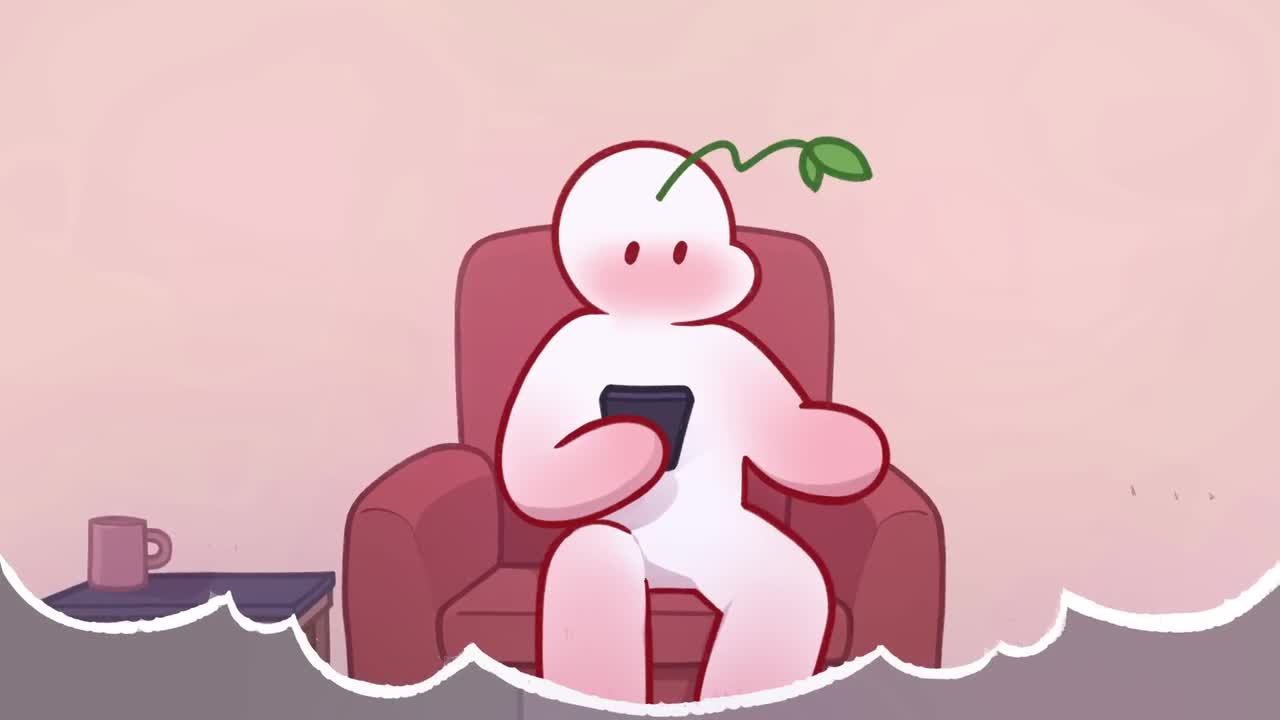
Many people feel a sense of dread when faced with a crowded social event, often feeling drained faster than their "phone battery" when navigating packed environments. This experience is not a sign of being antisocial or broken; rather, it is rooted in complex psychological and neurological factors. By understanding why certain environments deplete your energy, you can move away from self-criticism and toward a lifestyle that supports your well-being.
1. Sensory Processing Sensitivity: The 4K Brain
For about 15% to 20% of the population, the nervous system operates differently. Psychologist Elaine Aron describes this as "sensory processing sensitivity." While most people's brains filter out background noise, visual clutter, and overlapping conversations, those with this trait process more environmental information simultaneously.
Think of it as running in "4K" while others are in standard definition. This leads to "cognitive overload" because your brain is dealing with more data, requiring significantly more energy to process physical, social, and emotional stimuli. What feels like weakness is actually an evolutionary advantage—the ability to notice subtle shifts, flickering lights, or tension that others miss—but it is ill-suited for the loud, flashing-light environments of modern venues.
2. The Burden of Social Performance
Often, the exhaustion stems not from the number of people, but from the "social layer" you are forced to navigate. If you are highly attuned to "body language, subtext, and emotional undertones," social situations become mentally demanding. You aren't just listening to words; you are tracking what is unsaid and how people truly feel. This preference for "depth over breadth" means you might find a single 2 AM conversation more nourishing than hours of superficial small talk. Society frequently confuses "social frequency" with "social skill," rewarding quantity while overlooking the quality that many individuals naturally prioritize.
3. Neurotransmitter Differences and the Introversion Spectrum
Brain chemistry plays a role in how we gain energy. Research suggests that while extroverts often receive "dopamine responses" from novelty and social stimulation, introverts may rely on neurotransmitter systems linked to internal focus and reflection. It is important to note that this is not an "on-off switch" but a spectrum. Your brain may feel more "restored" by quiet walks or creative work than by parties. There is no "broken" brain type; there are simply brains optimized for different environments. The real issue is a cultural bias that treats extroversion as the default, often creating unnecessary shame around the need for silence.
4. Emotional Absorption and Mirror Neurons
Some individuals are highly sensitive to the emotional states of others, sometimes attributed to "highly active mirror neurons." If you can walk into a room and sense tension that no one mentions, you are picking up on "subtle emotional cues." In crowded places, you are unconsciously processing the emotions of everyone around you, which is "genuinely exhausting." In this context, needing quiet time afterward is not avoidance; it is a necessary form of "regulation" to manage the emotional input you have absorbed.
5. Distinguishing Preference from Distress
It is crucial to recognize when social avoidance stems from a deeper issue. While preference for quiet is normal, conditions like "social anxiety, panic disorder, trauma, or agoraphobia" can make crowds genuinely distressing. These are not "character flaws" but treatable experiences. If your fear of crowds is limiting your life or causing physical symptoms, professional support is warranted. There is a meaningful difference between simply preferring smaller gatherings and being afraid to leave one's house.
Conclusion: Thriving on Your Own Terms
Understanding your social needs is about making informed choices that fit your unique wiring. You do not owe anyone an explanation for declining invitations, and recovery time is a vital form of self-care. The goal is to stop asking "what's wrong with me?" and start asking "what do I need to thrive?" Whether you choose to skip the party, leave early, or find a small circle of like-minded people, the objective is to build a life where you can be yourself, rather than forcing yourself into spaces that deplete your resources.
Deep Learning with ListenLeap


