
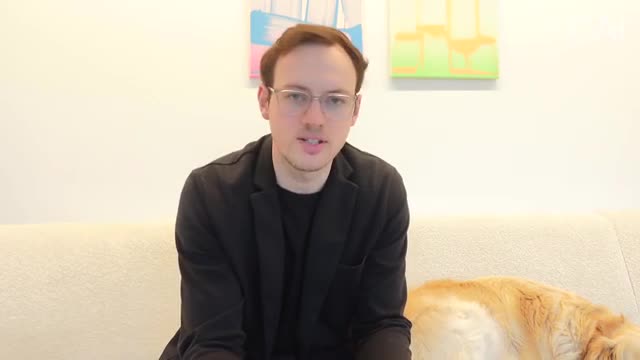
[The Power of the Pen: Why Writing is Essential for Artistic Practice]-[Why Every Artist Should Write About Their Work]
📋 Summary
The Power of the Pen: Why Writing is Essential for Artistic Practice
For many artists, the act of writing is often dismissed as a secondary task or a "side quest." However, as this discussion highlights, writing is an empowering and fundamental activity that serves as a cornerstone for artistic growth, clarity, and professional communication. By engaging in the deliberate act of writing about their work, artists can transform fleeting thoughts into a structured vision.
1. Capturing Fleeting Thoughts: The Artist’s Notebook
The first step in this process is the simple but profound habit of keeping an "artist notebook." The speaker emphasizes that thoughts are "very fleeting" and, if not captured, they simply disappear. By writing down ideas, compositions, historical or contemporary references, and resonant concepts, an artist can create a repository of inspiration. This notebook acts as a tool to "gather and organize your thoughts," allowing artists to identify connections between disparate ideas that might otherwise go unnoticed. When an artist returns to the studio, these recorded thoughts provide a roadmap for their creative practice.
2. From Intuition to Clarity: The Intensity of Digestion
Beyond merely noting down ideas, the process of writing serves to deepen the artist's engagement with their own work. While initial thoughts are often "very intuitive" and "subconscious flashes," the act of crafting a "fluent text" requires a higher "intensity of dealing with your ideas." This is where the magic happens: the transition from a "vague understanding" of one's art to a "clear understanding."
Writing forces the artist to digest their concepts, enabling them to discover what truly drives their practice. This self-awareness is essential for conscious exploration. Crucially, the speaker warns against the temptation of using AI tools like ChatGPT during this specific phase. Relying on generative text to describe one's art can lead to "fake statements" and prevent the deep, cognitive work of self-reflection. The speaker advises that while AI can polish a final draft, the initial digestion of concepts must be done by the artist themselves to ensure the insights are authentic.
3. The Stepping Stone to Professional Communication
Finally, writing is an inevitable requirement for a professional career. Whether an artist is navigating an "open call," speaking with a "potential collector," or hosting a "gallery director" during a studio visit, they will eventually be "put on the spot" to discuss their work.
Having a pre-prepared "artist biography" and "artist statement" is not just a logistical convenience; it is a professional necessity. It ensures that when the time comes to explain the work, the artist does not "stumble." The speaker clarifies a common misconception: writing about art does not mean the work must have a "one-dimensional meaning." Rather, it is about having the vocabulary ready to articulate the practice while leaving the art itself open-ended. By having these texts ready, artists can confidently communicate the various facets of their practice whenever opportunities arise.
Conclusion: A Call to Action
To master one's artistic journey, the speaker proposes a three-fold approach:
- Use a notebook to crystallize fleeting ideas.
- Challenge yourself to write to move from vague intuition to a clear, conscious vision.
- Prepare your professional documents (biography and statement) to ensure you are always ready to communicate your work effectively.
Ultimately, writing is not just about producing a document; it is about the act of discovery. By doing the work and thinking deeply about their practice, artists become more aware of their own creative drivers, leading to a more intentional and successful artistic career.
Deep Learning with ListenLeap


