
[The Journey of Water: From Faucets to the Ends of the Earth]-[Where Can We Find Water? _ SciShow Kids]
📋 Summary
Exploring the Origins of Earth's Water
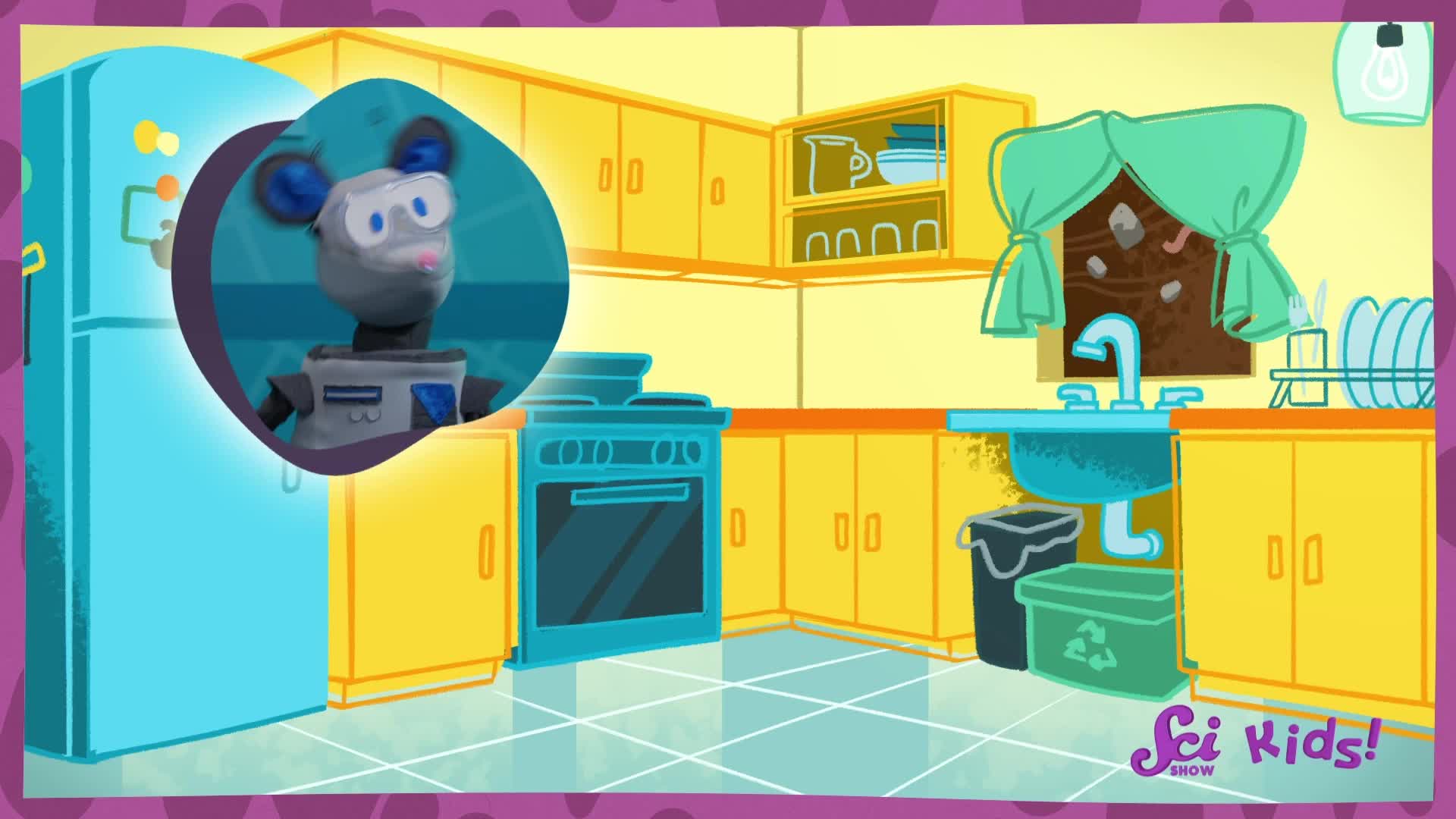
Water is an essential part of our daily lives, yet its origins are often a mystery to curious minds like Squeaks the robot rat. While one might playfully imagine a "tiny person" or a "crying dragon" inside a kitchen faucet, the reality of the Earth's water cycle is a fascinating scientific journey that spans from beneath our feet to the vast oceans and frozen poles.
Groundwater: The Hidden Reservoir
Not all water we consume comes from surface sources. A significant portion of our drinking water originates as groundwater. This water is formed when rain and snow "soak into the ground" and are stored deep within the earth. For those living in rural areas, a "well in the backyard" often taps directly into these subterranean stores, providing a natural and reliable supply of fresh water.
Rivers: The Arteries of the Planet
In many urban environments, such as Minneapolis or St. Paul, running water is sourced from major river systems like the Mississippi River. Rivers are dynamic, flowing bodies of water that support diverse ecosystems. For instance, the Congo River in Africa—noted as the "deepest river in the world"—flows through five countries and serves as a habitat for over 300 species of fish, including the "giant tigerfish" and the "squeaker catfish." These rivers act as essential conduits that eventually empty into larger bodies of water, specifically the oceans.
The Vastness of the Oceans
Oceans are the "largest type of body of water on Earth" and are truly "gigantic." They cover the majority of the planet's surface, such as the Atlantic and Pacific Oceans. However, there is a critical distinction to be made: oceans are composed of salt water, which is not suitable for human consumption. Because the vast majority of the world's water is saline, the amount of accessible fresh water available for drinking is a "teeny tiny amount" in comparison.
Freshwater Reservoirs: Lakes and Ponds
Fresh water is found in various locations, including streams, ponds, and lakes. These bodies of water are typically "surrounded by land." A prime example is Lake Baikal in Siberia, which stands as one of the largest freshwater lakes on the planet. These reservoirs are vital for life, providing the necessary liquid for humans and animals alike.
Ice: The Solid State of Water
Water does not always exist as a flowing liquid; it frequently transitions into solid ice. This is evident in the "snow on top of mountains" and massive structures known as glaciers. A glacier is defined as a "giant buildup of ice and snow that slowly moves over land." While most of the world's glaciers are located in Antarctica, they can be found on almost every continent, including sites like Glacier National Park in North America. Furthermore, the extreme temperatures at the Earth's poles—the Arctic Ocean and Antarctica—ensure that these regions remain permanently covered in ice.
Conclusion
Ultimately, water is omnipresent on our planet, with over 70% of the Earth's surface covered by it in various forms. Whether it is flowing through a faucet, moving down a river, or sitting frozen in a glacier, water is the lifeblood of Earth. Understanding its sources—from groundwater to the great oceans—reminds us of the importance of this precious resource.

Deep Learning with ListenLeap


