
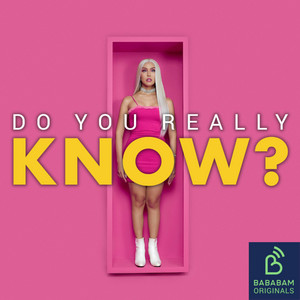
[TanaLand: The Digital Sanctuary Reclaiming Female Identity from Misogyny]-[What is Tanaland, the Imaginary Country Battling Misogyny?]
📋 Summary
The Rise of TanaLand: A Digital Frontier for Empowerment
TanaLand has emerged as a significant cultural phenomenon on French TikTok, transcending the boundaries of a mere online trend to become a virtual country where women unite against systemic misogyny. With over 18 million followers, this movement represents a collective imagination of a world liberated from the constraints of patriarchy and societal judgment. Inspired in part by the 2023 Barbie film, which popularized themes of gender equality, TanaLand serves as a satirical safe haven—a space where women reclaim their autonomy through humor, shared experiences, and symbolic community building.
The Reappropriation of Language: From Insult to Empowerment
The genesis of the name "TanaLand" is a masterclass in linguistic subversion. Originally, the term "Tana" was a derogatory label derived from the Spanish insult putana (meaning slut). Online trolls frequently weaponized this slur against women who dared to exist visibly online—whether they were "applying makeup, dancing or just being visible." By re-appropriating this term, the community has transformed a weapon of harassment into a badge of honor, aligning the meaning closer to "bad bitch." This shift is not merely cosmetic; it is a fundamental act of rewriting harmful narratives, allowing women to reshape the discourse around their own identity.
Symbolic Sovereignty and Community Identity
To solidify their virtual nation, followers of TanaLand have constructed a robust set of national symbols. The country boasts its own flag—rendered in "white and pink"—and a clever national motto: "liberty, equality, tenacity," which serves as a playful subversion of the traditional French motto. The community has even engaged in lighthearted political roleplay, such as electing the singer "Aya Nakamura" as their first prime minister, and adopting "pink passports" as a mark of belonging. These symbols are essential, as they foster a sense of real-world solidarity among women navigating a digital landscape that is often hostile.
The Counter-Movement: Charoland and the Mirror of Hostility
The existence of TanaLand has elicited a polarized response from men. While some have engaged in good-natured support, humorously requesting "visas" to enter this virtual country, others have reacted with defensive antagonism. This has led to the creation of "Charoland," a satirical men-only haven. The name itself is derived from the French slang "charro," meaning a "scavenger" or a man who aggressively pursues women. Many participants see the creation of Charoland as "darkly ironic," as it unintentionally mirrors the very environment of hostility and harassment that women face daily on the internet.
A Legacy of Resistance
TanaLand is not an isolated incident but rather the latest iteration in a lineage of French feminist activism. It follows movements like artist Lisa Boutelji's 2018 Beretta Crassie, which similarly reclaimed the offensive term Beretta to critique the intersections of "sexism, racism and classism." By creating these digital spaces, young women are asserting their agency, effectively pushing back against "digital harassment" and establishing a new paradigm for female empowerment.
Ultimately, TanaLand demonstrates that even in the digital age, the act of naming is an act of power. By transforming derogatory slurs into symbols of community, women are not just creating a viral trend; they are constructing a virtual territory where they can express themselves freely and define their own terms in a world that has historically sought to silence them.
Deep Learning with ListenLeap


