
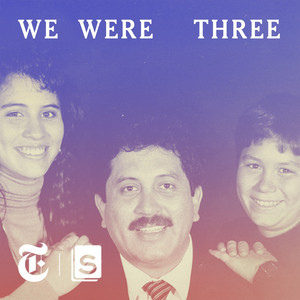
[We Were Three: A Tragic Descent into Isolation and Ideology]-[We Were Three - Trailer]
📋 Summary
The Tragic Erosion of a Family: A Deep Dive into 'We Were Three'
The Shocking Revelation
The narrative begins with a jarring moment of grief that defies conventional expectations. Rachel McKibbins received a text message from her brother, Peter, at midnight, informing her that their father had passed away at 2:42 p.m. that same day. This cold, digital notification of a death that had occurred hours prior set the stage for a story defined by secrecy, medical neglect, and the devastating impact of radicalized beliefs.
The Shadow of Misinformation
As Rachel began to unravel the circumstances surrounding her father's death, she discovered the influence of extreme ideology. Peter, who lived with their father, harbored a deep-seated paranoia regarding COVID-19. He believed that "vaccinated people" were a direct threat to those who were unvaccinated. This belief system was so rigid that Peter blamed the father's attendance at a funeral—specifically, being around "all those vaxxed people"—for the illness that ultimately claimed his life. This radicalization served as a barrier to basic medical intervention; Peter failed to call 911 or seek professional help, instead acting as a self-appointed "nurse" for a man who had been sick for over a week.
The Cycle of Neglect and Denial
Rachel’s phone call to Peter revealed a harrowing level of denial. Even after being confronted with the reality of his father's death, Peter remained detached, claiming he was "healthier than dad." Despite Rachel’s desperate pleas for him to seek medical attention, Peter’s distrust of the medical establishment proved stronger than his survival instinct. Although he briefly checked into an ER, he ultimately "checked himself out against medical advice," choosing to lie to his sister about his recovery while his own health rapidly deteriorated.
The Finality of Isolation
Two weeks after their father, Peter died alone at home. This sequence of events left Rachel as the sole survivor, forced to grapple with the mystery of what had transpired during those final months. The podcast highlights the profound psychological toll of the pandemic, not just as a biological threat, but as a catalyst for ideological entrenchment. Peter’s actions were not motivated by malice, but by a distorted worldview that caused him to prioritize conspiracy over life-saving care.
Conclusion: What COVID Revealed
'We Were Three' serves as a poignant exploration of how misinformation can dismantle the foundations of family. By examining the "record of Peter's final weeks," the podcast delves into the intersection of personal tragedy and broader societal shifts. It reveals how the fear of "vaxxed people" led to a fatal paralysis, preventing a son from saving his father or himself. Ultimately, the story is a testament to what COVID-19 "revealed" about the fragility of human connection in an era of intense polarization, and what it ultimately "destroyed" when those connections were severed by the walls of radical belief.

Deep Learning with ListenLeap


