
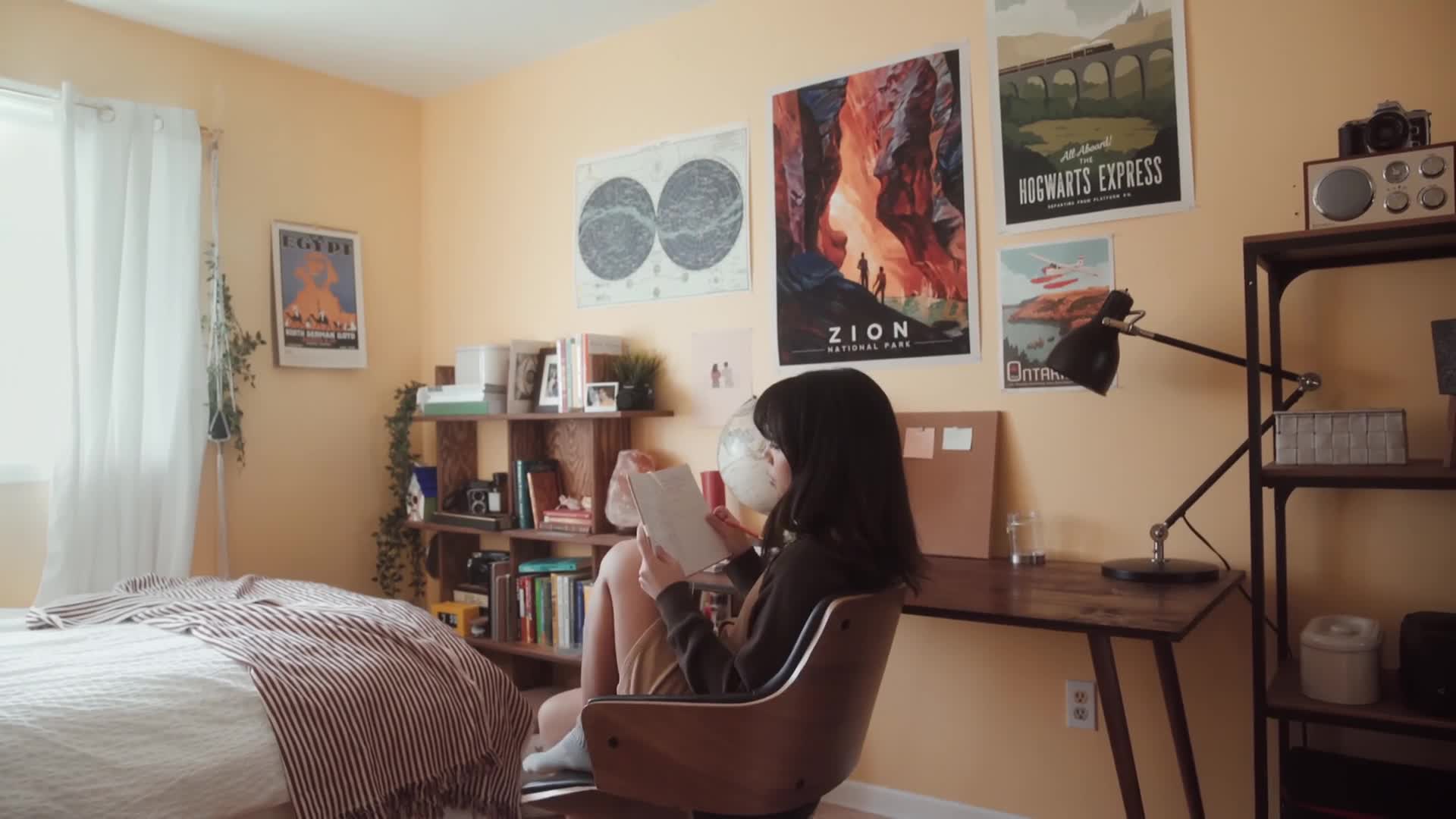
[Navigating the Quarter-Life Crisis: Finding Meaning Beyond the Screen]-[For those waiting for life to happen]
📋 Summary
Navigating the Quarter-Life Crisis: Finding Meaning Beyond the Screen
In this introspective reflection, Cariza, a 20-something Filipino-Canadian, explores the profound sense of paralysis that often accompanies the transition into adulthood. Faced with the weight of a "quarter-life crisis" and the overwhelming nature of current global events, she examines the gap between the idealized versions of life we consume and the messy reality of existence. This summary delves into her journey of moving from passive observation to active participation.
The Illusion of the "Easy" Path
Cariza begins by addressing the common human desire for a simple life—often described as having "someone to love, something to do, and something to look forward to." However, she notes that these platitudes lack the specificity needed to navigate the complexities of modern life. She admits to feeling stagnant, noting that she "felt like I couldn't do anything at all" or simply didn't know where to start.
This stagnation is exacerbated by the tendency to compare our internal struggles to the external lives of others, who seem to have everything "down pat." She critiques the way we look to media for guidance, noting that "we watch movies and hope that life is as fluid and calculated as it is on screen." This creates a false expectation of life, where decisions lead to "a clear outcome" and every narrative arc is neatly packaged.
The Danger of Cinematic Expectations
One of the most poignant points in Cariza’s reflection is the danger of using movies and stories as a "guide to life." She argues that these narratives are merely "an altered version" of reality. While we look for a "one-size-fits-all handbook" to help us process the "loneliness, the heartbreak, the mess, [and] the freedom" of our own lives, we are ultimately left disappointed. By treating fiction as a blueprint, we avoid the difficult questions of our own existence, such as, "What am I really doing here?"
Moving from Passive Observation to Active Participation
Cariza shifts her focus toward the necessity of agency. She emphasizes that "we can't just wait around for life to happen to us." Instead, we must "seek it." The core of her argument is that life requires "active participation."
She challenges the tendency to wallow in self-pity, noting that "we can sit around and feel bad and blame other people" or blame ourselves for unspoken grievances. However, she reminds us that "life doesn't stop for anybody." The passage references the idea that life exists in identity and that each individual must "contribute a verse" to the "powerful play" of existence.
Embracing Risk as a Way of Life
Ultimately, Cariza concludes that the search for identity is not found through passive consumption of stories, but through action. She insists that "you have to do things" and "you have to take risks." This is the only way to discover "who we really are and what we want to do with our time on this earth."
Even when faced with the possibility of failure, she poses a rhetorical question that serves as her guiding philosophy: "what better way is there to live?" By acknowledging that she was previously "very preoccupied with the business of everyday things," she realizes that stripping away distractions is necessary to face the reality of the present. Her journey serves as a reminder that while the world may feel heavy and the path unclear, the act of living is defined by the risks we take and the verses we choose to write for ourselves.
Deep Learning with ListenLeap


