
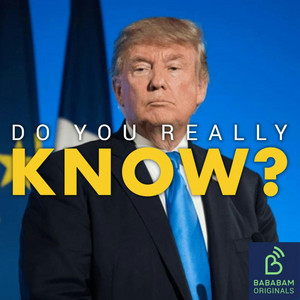
[The Myth of the Self-Made Man: Deconstructing the Billionaire Narrative]-[Trump, Musk, Bezos... Are They Really Self-Made Men?]
📋 Summary
The Illusion of the 'Self-Made' Icon
In the modern era, the narrative of the "self-made man" has become the gold standard for success. From corporate boardrooms to political stages, figures like Donald Trump, Elon Musk, and Jeff Bezos have cultivated the image that they "built their empire from the ground up." However, a critical examination of these success stories reveals that the "famous myth of the self-made man" often obscures the reality of generational wealth, early financial backing, and complex corporate histories.
The Origins of the Myth
Interestingly, the term was not always associated with modern billionaires. The concept was "first popularized by Frederick Douglass," the historic abolitionist who escaped slavery. Douglass drew inspiration from Benjamin Franklin, viewing self-reliance as an aspirational goal. Today, however, the term has been co-opted to characterize the rise of the ultra-wealthy, often ignoring the "humble beginnings" trope that is frequently used to mask significant structural advantages.
Deconstructing the Billionaire Narrative
Donald Trump: The Millionaire at Eight
Despite presenting his fortune as the result of "hard work," investigations tell a different story. A 2018 New York Times report exposed that Donald Trump "received over $400m from his parents," much of which was funneled through "tax loopholes." Far from starting with nothing, he was effectively a "millionaire by the age of 8."
Elon Musk: The Financial Head Start
Elon Musk brands himself as a "self-made genius," yet his path to success was paved with early advantages. Reports indicate that his father, Errol Musk, "co-owned an emerald mine in Zambia," providing Elon with a "financial head start." Furthermore, the podcast clarifies that Musk did not actually found the companies he is most famous for. He "didn't" found PayPal; he launched X.com, which merged with the company that held the core technology. Similarly, Tesla was "founded in 2003 by Martin Eberhard and Marc Tarpening," with Musk joining only later as an investor before taking over as CEO in 2008.
Jeff Bezos: Parental Investment
Even Jeff Bezos, who started Amazon as an "online bookstore" in 1995, relied on significant support. His parents provided a "significant head start" by investing over $245,000 to "get the business off the ground," a crucial injection of capital that is often omitted from the bootstrap narrative.
The Statistical Reality of Wealth
Why does this myth persist? It serves as a "common theme in corporate success stories," reinforcing the idea that anyone can reach the top if they work hard enough. However, data suggests otherwise. According to a 2025 Oxfam report, "60% of billionaires' fortunes come from inheritance, monopolies, or collusion."
Ultimately, while hard work is a component of success, the "self-made man myth often overlooks generational wealth, connections, and early financial backing." The evidence is clear: very few of the world's wealthiest individuals truly "start from nothing." By romanticizing these paths, society overlooks the systemic factors that make such levels of wealth accumulation possible for only a select few.
Deep Learning with ListenLeap


