
[The Psychology of Blindness: Why Lust Makes Us Ignore Red Flags]-[This Isn’t Love… It’s Lust (And It’s Fooling You)]
📋 Summary
Why Lust Blinds Us: A Psychological Breakdown
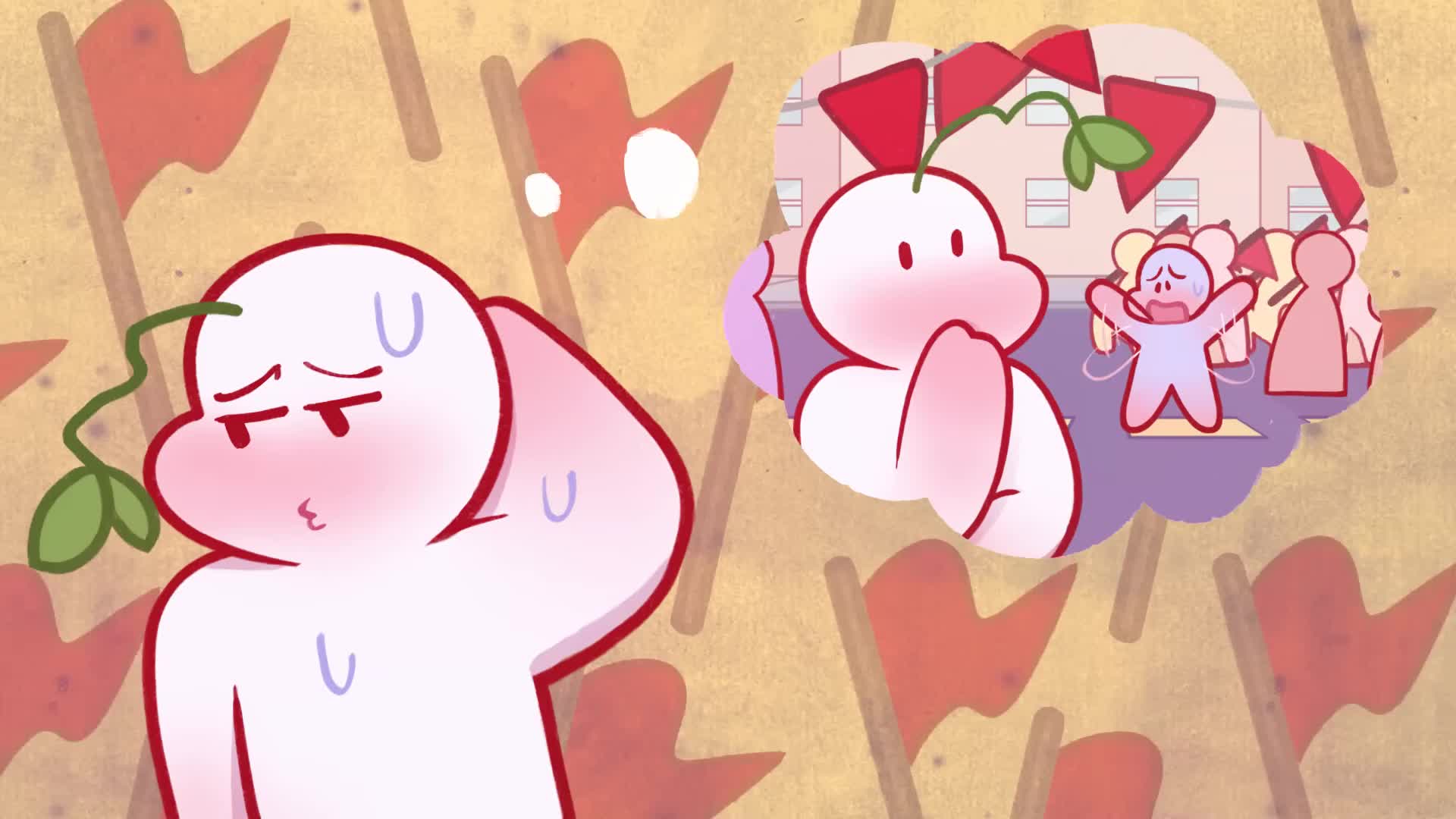
It is a universal experience: meeting someone who appears to be a "walking parade" of red flags, yet finding yourself convinced that they are simply "misunderstood." While your intuition may signal that something feels off, the heart often insists on a different narrative. This phenomenon is not merely a lapse in judgment; it is a complex interaction of neurochemistry and cognitive biases. Understanding why lust causes us to ignore obvious warning signs is the first step toward protecting our emotional well-being.
1. The Dopamine-Driven Reward System
At the core of initial attraction is the brain’s reward system. When we are drawn to someone, our brain releases dopamine—the same chemical triggered by winning a video game or eating favorite food. This chemical reaction essentially labels the person as "extremely rewarding." Consequently, the brain enters a state of "tunnel vision," prioritizing the pursuit of this reward and actively filtering out information that might interfere with it. Much like an obsessed gamer ignoring poor reviews for a new release, we ignore red flags because our brain is fixated on the dopamine hit.
2. The Halo Effect and Idealization
Psychologists identify the "halo effect" as a major culprit in our distorted perception. When we find someone physically attractive, we unconsciously project other positive qualities onto them, assuming they are "kinder, more trustworthy, or emotionally mature" without any concrete evidence. We treat them like an anime character introduced with "dramatic music and glowing lighting," assuming depth and complexity that may not exist, effectively painting them in a much more flattering light than reality permits.
3. Narrative Bias and Emotional Intensity
Once the brain begins to imagine a future—a love story or a shared life—it becomes protective of that narrative. We begin to reframe red flags as "misunderstandings" or "bad timing," convinced that "they’ll change." Furthermore, we often mistake "emotional intensity" for genuine connection. While the excitement, nervousness, and anticipation of lust feel profound, the podcast notes that this is often akin to an action movie—full of "explosions and chaos" that feel exciting but are rarely sustainable or healthy. Real compatibility, by contrast, is characterized by stability.
4. The Scarcity Effect and Unpredictability
We often fall into the trap of the "scarcity effect," where we value what is difficult to obtain. If a romantic interest is "emotionally distant, unpredictable, or inconsistent," the brain may interpret this as a sign of high value. We chase the unpredictability, erroneously assuming that because someone is hard to reach, they must be inherently valuable. In truth, this perceived scarcity is frequently just a marker of fundamental incompatibility.
5. The Outsider’s Advantage
Friends are often the first to spot warning signs, primarily because they are not under the influence of the same "emotional chemistry." Without the dopamine clouding their judgment, they can evaluate the situation objectively. The podcast compares this to watching a video game player struggle; the person playing is overwhelmed by the difficulty, while the observer can clearly see the correct path. Seeking and respecting outside perspectives is essential for maintaining clarity.
6. Silencing Intuition
Perhaps most importantly, lust can "temporarily silence intuition." Most of us actually sense red flags early, but we quickly "rationalize it away," telling ourselves we are "overthinking" or being "unfair." When we repeatedly ignore these instinctive signals, we miss the patterns that logic eventually reveals.
Conclusion: Moving Toward Healthy Relationships
Lust is a natural and healthy human experience, but it should not move faster than logic. To protect ourselves, we must learn to pause. By asking critical questions—such as whether a person's actions match their words and how we truly feel after spending time with them—we can ground ourselves in reality. Healthy relationships are built on "consistent trust and respect," not just the volatile, overwhelming intensity of attraction. Recognizing these psychological patterns allows us to slow down, regain our perspective, and choose connections that are genuinely supportive.
Deep Learning with ListenLeap


