
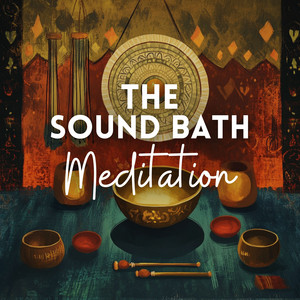
[A Guided Sound Bath Meditation for Deep Relaxation and Sleep]-[The Sound Bath Meditation (Bonus)]
📋 Summary
Embracing Serenity: A Guided Journey into Deep Relaxation
In this episode of Get Sleepy, host Thomas leads listeners through a restorative sound bath meditation designed to quiet the mind and prepare the body for restful sleep. By utilizing resonant frequencies and intentional breathing, the session serves as a gentle transition from the busyness of the day to a state of "dreamy and blissful" sleepiness.
Establishing a Sanctuary for Rest
The meditation begins by emphasizing the importance of physical comfort. Thomas encourages listeners to find a position where they can "safely relax" and make minor adjustments—shifting pillows, blankets, or clothing—until they feel "just 5% more comfortable." This act of intentional settling signals to the nervous system that it is time to transition into rest. By consciously softening the muscles around the eyes, relaxing the jaw, and connecting to the body’s rhythm, the listener creates a secure container for the practice.
The Power of Conscious Breath
Breathwork serves as the anchor for this relaxation journey. Thomas guides listeners through deliberate cycles of inhaling through the nose, pausing, and exhaling with a sigh. This pattern is essential for releasing tension, as the host notes, "With each exhale, notice how your body softens a little more." By shifting into a "natural rhythm of breathing" that flows with ease, the listener is invited to let go of distracting thoughts, allowing the breath to draw them deeper into a state of stillness.
Immersion in the Sound Bath
The core of the experience is the "sound bath," characterized by the use of "singing bowls, gongs, chimes, and other resonant tones." Thomas explains that these sound waves are intended to be both heard and felt physically. As these vibrations "wash over" the listener, they act as a guide toward deep relaxation. During this phase, it is normal to experience "tingling sensations" or "waves of emotion." The key instruction is to remain present without judgment, allowing these physical and emotional responses to simply exist as the body "melts away" tension.
Cultivating Mindfulness and Letting Go
Throughout the meditation, the host addresses the common challenge of a wandering mind. Rather than resisting thoughts, listeners are encouraged to "let it go" and reset by returning their awareness to the breath or the sound. This non-judgmental observation allows the listener to notice the changing quality of their thoughts—becoming "quieter" and "more spacious."
As the session progresses, the goal is to shift from "conscious awareness" to a state of deep, blissful sleep. Thomas invites the listener to observe the "sense of spaciousness or ease" and the feeling of being "heavy against the ground." The practice concludes by reminding the listener to trust their body's innate ability to fall asleep. By giving themselves "total permission to drift peacefully into sleep," the listener is finally able to release the need for control and embrace the healing power of silence and rest.
Conclusion
This episode serves as a powerful reminder that relaxation is a gift we provide for ourselves. By combining auditory stimulation with meditative awareness, the practice helps dissolve the barriers to sleep, allowing the listener to settle fully into a peaceful and restorative state.
Deep Learning with ListenLeap


