
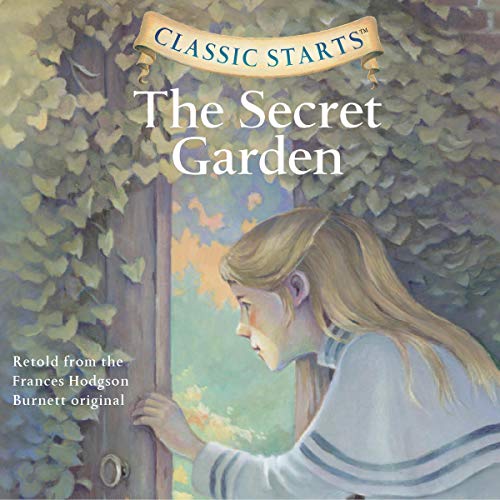
[The Secret Unveiled: Mary, Colin, and the Garden Connection]-[The Secret Garden - Part 19]
📋 Summary
The Blossoming of a Secret
The narrative of Chapter 18 marks a pivotal shift in the relationship between Mary Lennox and Colin Craven, transitioning from tentative acquaintance to a bond rooted in shared secrets and the promise of nature. Following a tumultuous tantrum, Colin’s temperament undergoes a surprising transformation, characterized by a newfound vulnerability and a polite request for Mary’s company. This shift is highlighted by his uncharacteristic use of the word "please," signaling a softening of his previously rigid and demanding persona.
The Bridge Between the Garden and the Sickroom
Mary serves as the essential conduit between the wild, vibrant energy of the moor and the stifling atmosphere of Colin’s room. Her visit to the secret garden serves as a sensory recharge; she arrives at the garden to find Dickon accompanied by his animal companions, "Nut and Shell," "Captain," and "Soot." These creatures are not merely pets but symbols of the harmonious relationship Dickon maintains with nature. Mary’s plan to introduce Dickon and his menagerie to Colin is a strategic move to bring the "wind from the moor" and the "smell of new grass in springtime" into Colin’s confined world. When Mary returns to his bedside, the olfactory evidence of her time outside—the scent of "flowers and fresh things"—acts as a catalyst for Colin’s curiosity and longing.
Redefining Friendship and Magic
As Mary regales Colin with stories of Dickon’s uncanny ability to communicate with animals, the conversation turns toward the nature of friendship. Colin expresses a profound sense of isolation, confessing, "I've never had anyone to be friends with," and admitting his inability to "bear other people." Mary’s response is refreshingly candid; she reflects on her own transformation, noting, "I used to not like anybody," but explains that her connections with "Ben and the Robin and Dickon" paved the way for her to open up to him. This dialogue highlights a central theme: the garden and the animals act as teachers of empathy. By witnessing Dickon’s bond with a "wild pony," Colin begins to grasp that the world outside his room is not a threat, but a space where "anything will understand you if you're friends with it."
A Trust Transformed
The climax of the chapter occurs when Mary finally decides to bridge the gap between their two worlds by sharing the location of the "ivy-covered door" and the existence of the secret garden. The emotional weight of this revelation is palpable, as Colin responds with a "kind of sob," asking, "will I live to go in and see it?" Mary’s pragmatic, almost sharp reassurance—"Don't be silly"—grounding him in the present, paradoxically provides him with the hope he desperately needs.
By concluding their conversation with the admission that she "couldn't tell you about the garden before" due to fear, but now "trusts" him, Mary solidifies their alliance. The secret is no longer a burden to be guarded but a shared objective. This chapter successfully illustrates that the secret garden is not just a physical location, but a symbol of the trust and healing that can emerge when one steps outside the boundaries of their own self-imposed isolation.
Deep Learning with ListenLeap


