
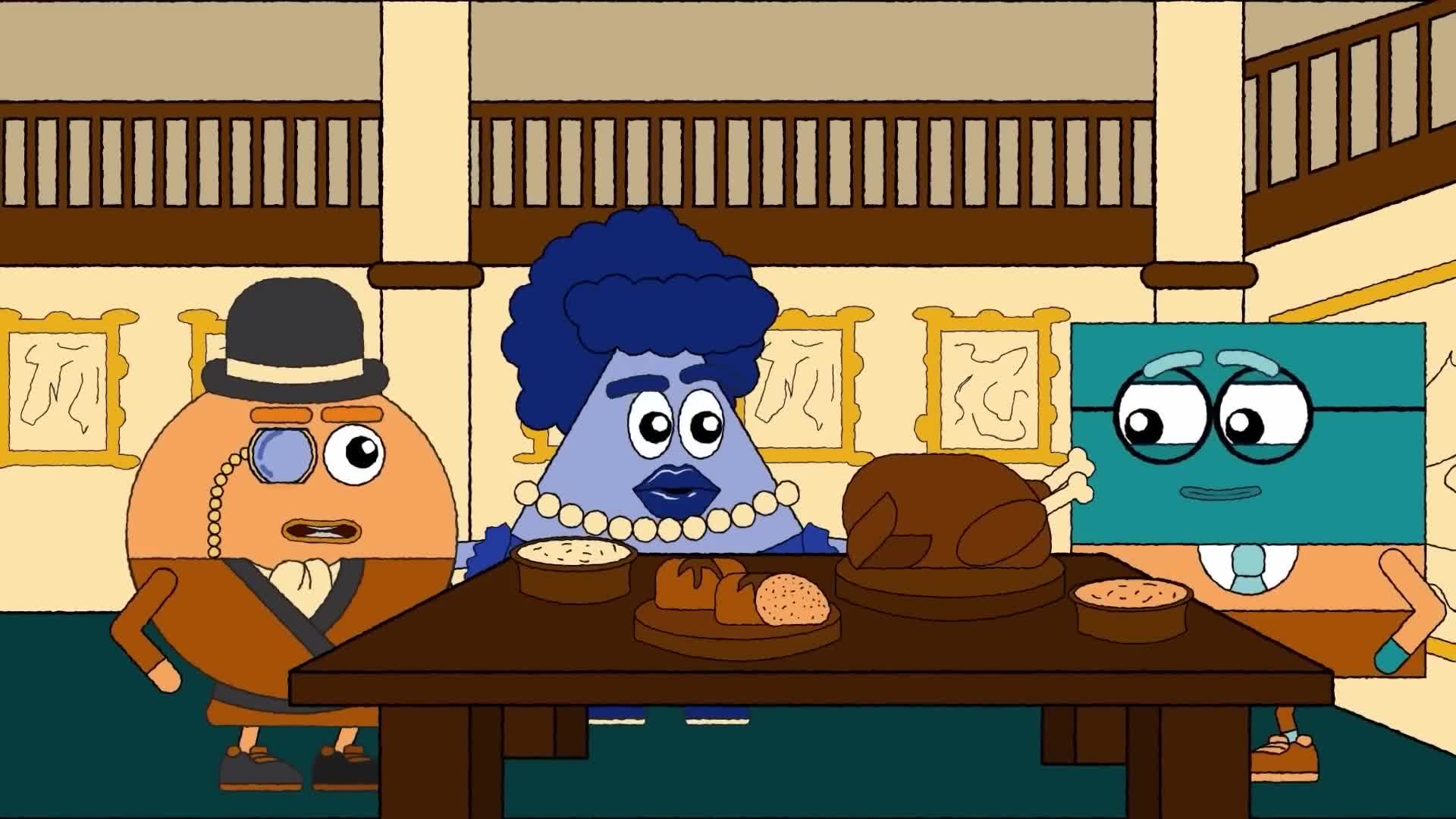
[The Courage to Embrace Simplicity: Unveiling the Art of an Unadorned Life]-[The Power of Simplicity]
📋 Summary
The Courage to Embrace Simplicity: Unveiling the Art of an Unadorned Life
The Allure of Complexity
For much of our lives, we are conditioned to believe that value is synonymous with complexity. We are deeply "pulled towards rare and hard-to-follow ideas," convinced that status and success are found in the labyrinthine. This manifests in every facet of our existence: we "entertain our friends with elaborate meals," "pursue convoluted relationships," and accept "careers that enmesh us in cumbersome commitments." We decorate our leisure time with "exotic hobbies," fearing that a life stripped of these layers would be perceived as empty. The underlying fear is that by stripping away the ornamentation, we risk "sounding boring or silly," leading us to spend the better part of our existence "trying, unsuccessfully, to be somebody else."
The True Challenge of Simplicity
True maturity requires the immense bravery to discard these pretenses. It is a profound realization that "it can take a very long time indeed to work up the courage to be simple." This path toward simplicity is not an act of negligence, but a deliberate choice to "fix on certain basic truths that we've always known."
To live simply is to actively "edit down our calendars" and prioritize comfort, choosing to "wear only what's comfortable" and serve the same "basic foods" to guests that we enjoy when alone. It involves a radical shift in our social architecture, where we choose to "have relationships solely with those who know how to be direct." Instead of filling our days with frantic busyness, the simple life embraces "elementary pleasures like tending to a garden, having a bath or going for a walk." It is the act of communicating without inhibition, telling those who matter that "they are everything to us" and expressing our feelings before "it's all over."
The Catalytic Influence of Mortality
Often, it is only the sobering "thought of death" that acts as the force to "loosen us from our pretensions." This bracing influence forces us to confront the futility of "burdening ourselves with habits, ideas, vocabularies, people and duties that don't belong to us." We recognize that life is too short to waste on "meaningless challenges" or on individuals who cannot "non-defensively say, 'I love you.'"
Toward a Mature Sophistication
When we finally release the terror of appearing as a "simpleton and a yokel," we arrive at a state of genuine sophistication. This is not the superficial complexity we once chased, but a hard-won maturity. We learn to appreciate the "art of being direct, easy to follow, emotionally straightforward, predictable, [and] unhurried."
While the "frantic and the impressionable many" might view this existence as "exceptionally dull," the individual who has walked through the fire of complexity understands that simplicity is the ultimate destination. By shedding the "crowded days heavy with panic" and the "books we can't understand," we finally gain the freedom to exist as our authentic selves. We realize that the most profound challenges are not found in the elaborate, but in the quiet, unadorned truth of a simple life.
Deep Learning with ListenLeap


