
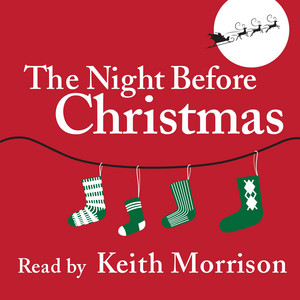
[A Midnight Visit: An Analysis of the Classic Christmas Eve Narrative]-["The Night Before Christmas" read by Keith Morrison]
📋 Summary
The Silent Night and the Sudden Disturbance
The narrative begins in a state of tranquil domesticity, where "not a creature was stirring, not even a mouse." This atmosphere of peace, characterized by children "nestled all snug in their beds" with "visions of sugar plums" dancing in their heads, establishes a traditional festive expectation. However, this stillness is abruptly shattered by a "clatter" on the lawn. The narrator’s immediate, frantic reaction—to "spring from the bed" and "fly in a flash" to the window—serves as the catalyst for the extraordinary encounter that follows. The visual imagery of the "moon on the breast of new-fallen snow" highlights the clarity of the night, setting the stage for the appearance of a "miniature sleigh and eight tiny reindeer."
The Arrival of the Iconic Figure
The text identifies the visitor as "St. Nick," a figure described as "lively and quick." The author employs vivid personification and kinetic imagery to describe the reindeer, who move "more rapid than eagles." The naming of the reindeer—"Dasher, Dancer, Prancer and Vixen, Comet, Cupid, Donder and Blitzen"—adds a layer of mythic rhythm to the poem. The transition from the exterior arrival to the interior intrusion is marked by the "prancing and pawing of each little hoof" on the roof, culminating in St. Nicholas coming "down the chimney… with a bound."
Characterization of St. Nicholas
The physical description of St. Nicholas serves to humanize the legend. Though he is an "elf," his appearance is grounded in earthly, albeit whimsical, details. He is "dressed in fur" and "tarnished with ashes and soot," suggesting the labor of his journey. His features are described with warmth: "eyes" that "twinkled," "cheeks like roses," and a "nose like a cherry." Perhaps most iconic is the description of his "round little belly that shook when he laughed like a bowl full of jelly." This portrayal shifts the tone from potentially alarming to deeply endearing, confirming his identity as a "jolly old elf."
The Silent Mission and Departure
St. Nicholas’s demeanor is defined by purposeful, wordless efficiency. He "spoke not a word, but went straight to his work," filling the stockings with care. The interaction between the narrator and the visitor is brief but profound; a simple "wink of his eye" and a "twist of his head" are sufficient to assure the observer that there is "nothing to dread." This silent communication underscores the magical, transient nature of the visit.
Conclusion: The Legacy of the Night
The departure is as swift as the arrival, with the sleigh flying off "like the down of a thistle." The narrative concludes on a note of communal blessing. As St. Nicholas vanishes into the night, his final exclamation—"Happy Christmas to all, and to all, good night"—encapsulates the spirit of the encounter. The poem successfully captures the intersection of the mundane and the miraculous, leaving the reader with a lasting impression of benevolence and the timeless wonder of Christmas Eve.
Deep Learning with ListenLeap


