
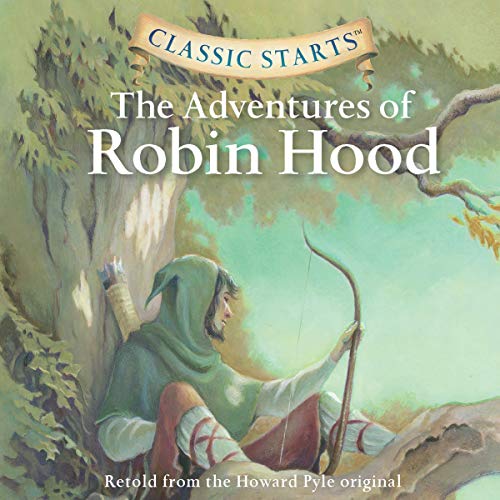
[Robin Hood’s Noble Encounter: The Tale of the Sorrowful Knight]-[The Adventures of Robin Hood - Part 14]
📋 Summary
The Intersection of Fortune and Misfortune in Sherwood Forest
The Seasonal Urgency of Sherwood
As autumn descends upon Sherwood Forest, the narrative shifts from the celebratory spirit of past weddings to the pragmatic concerns of survival. Robin Hood, ever the astute leader, recognizes that "winter is coming" and the band’s resources are dwindling. He employs the metaphor that "you catch more fish with two hooks than with one," tasking his men with securing a wealthy guest to sustain them through the coming cold. This setting establishes the tension between Robin’s role as an outlaw who survives by his wits and his underlying sense of responsibility toward his "merry men" who "share in my fortune and loss."
The Encounter with Sir Richard of the Lee
While waiting along the road, the group encounters a tall knight whose appearance defies the typical profile of a target. Described as a "sorrowful-looking knight," he lacks the gaudy displays of wealth—no "gold chain or jeweled rings"—yet his demeanor signals a man of status burdened by profound grief. When Robin intercepts him, the interaction is marked by a surprising mutual respect. Unlike the wealthy landlords or "false friars" Robin usually targets, this knight acknowledges Robin’s reputation with a smile, noting, "I hear much good of you and little bad."
The Knight’s Confession of Poverty
Despite his noble bearing, the knight, identified as Sir Richard of the Lee, admits to a state of absolute destitution. When pressed by Robin for payment, the knight’s "cheeks grew red" with the shame of his circumstances. He reveals the stark reality of his financial ruin, stating, "my purse contains six shillings," which is all he possesses "in the whole world." This confession serves as a pivotal moment in the narrative, as it tests Robin’s moral code. Robin, who famously claims, "The proud I strive to bring low. Those who walk in sorrow I aim to help if I can," chooses to forgo the plunder, recognizing that Sir Richard is not a target for extraction but a man in desperate need of empathy.
The Tragedy of the Debt
Sir Richard explains the origins of his downfall, a tale of paternal love and tragic accident. His son, a young knight, accidentally killed Sir Walter of Lancaster during a jousting tournament. To save his son from the "dungeon," Sir Richard paid a ransom of "six hundred pounds in gold," forcing him to mortgage his lands to the "prior of Emmet." Now, the knight faces the imminent loss of his ancestral home over a debt of "four hundred pounds." This backstory highlights the predatory nature of the prior, who "drove a hard bargain in my hour of need," and exposes the hypocrisy of the knight’s former social circle, who "boasted of their love" when he was rich but are "nowhere to be found" in his time of crisis.
A New Alliance
The story concludes with a shift in the dynamic between the outlaw and the aristocrat. Robin Hood, moved by the knight’s plight and his integrity, offers a glimmer of hope. By contrasting the knight's fair-weather friends with the loyalty of the men of Sherwood, Robin positions himself as an unexpected ally. The narrative underscores the core themes of the Robin Hood legend: the rejection of opportunistic greed and the commitment to justice for those exploited by the powerful. Robin’s final declaration, "I make no boast, but I may be able to help you yet," sets the stage for a redemption arc that transcends the traditional boundaries of class and law.
Deep Learning with ListenLeap


