
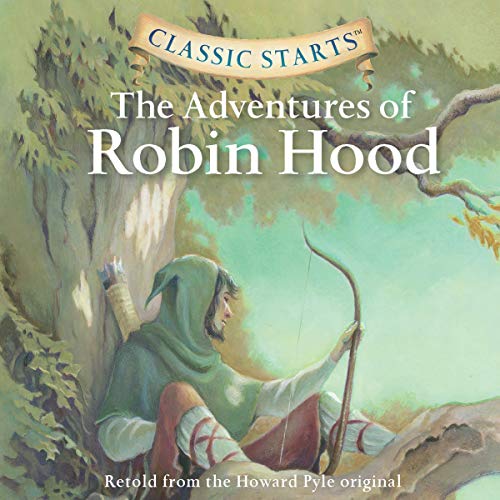
[The Fateful Encounter: Robin Hood and the Birth of Little John]-[The Adventures of Robin Hood - Part 03]
📋 Summary
The Fateful Encounter: Robin Hood and the Birth of Little John
The Quest for Adventure
The narrative begins with a restless Robin Hood, feeling the stagnation of life in the forest as he notes, "We have had no adventures for two whole weeks." Driven by a need for excitement, he sets out alone, instructing his men to remain on standby, ready to respond if he should "blow my bugle three times." This setup establishes Robin’s character—he is not merely a leader but a man constantly seeking to test his mettle against the unknown.
The Confrontation at the Footbridge
As Robin traverses the forest, he encounters a "tall stranger" blocking a narrow footbridge. The ensuing conflict is a classic display of masculine bravado and territorial tension. Robin demands the stranger to "step aside and let me pass," claiming he is the "better man." The stranger, described as being "a full head taller" and at least seven feet in height, refuses to yield.
When Robin threatens the stranger with his bow, the man retorts that Robin is a coward for using a weapon while he possesses only a "wooden staff." Stung by the accusation, Robin sets aside his bow, cuts a "strong oak staff," and engages the stranger in a fair duel. This moment highlights Robin’s code of honor; he values the integrity of the fight over an easy victory.
A Duel of Equals
The battle on the bridge is grueling. For an hour, both men trade blows, leaving each other "bruised and sore." The description of the fight emphasizes the physical disparity between them—the stranger’s shoulders are "at least two palm-breadths broader" than Robin’s. Despite Robin's agility, the stranger’s brute strength and skill eventually prevail, sending Robin splashing into the water.
Rather than responding with malice, the two men share a moment of mutual respect. Robin acknowledges, "There's not a man in all of England who can fight like that," to which the stranger replies, "There's not a man in all of England who can take a beating like you did." This shared laughter marks the transition from combatants to potential allies.
The Recruitment of Little John
Upon summoning his men, Robin prevents them from attacking the stranger, declaring him a "good, honest man." He offers the stranger a place in his band, promising "forty pounds" and "three suits of Lincoln green" annually. The stranger, however, remains skeptical, demanding to see if Robin’s archery skills match his fighting prowess. He challenges Robin to hit a strip of white bark on a distant oak tree, stating, "If I miss, you can beat me black and blue with a bowstring."
The stranger proves his own skill by hitting the target dead center. Robin, not to be outdone, fires a shot that "split the stranger's arrow to splinters." This display of supreme marksmanship earns the stranger's immediate admiration.
A New Identity and Legacy
In the final resolution, the stranger identifies himself as "John Little." Will Stootley, amused by the irony of a giant man bearing such a name, jokes, "I think we shall call you Little John." The story concludes with Robin keeping Little John at his "right hand," recognizing that he had finally met a man as strong and brave as himself. This encounter serves as the origin story of one of literature’s most iconic friendships, cementing the bond between the outlaw leader and his most loyal lieutenant.
Deep Learning with ListenLeap


