
[The Long Journey Home: Reflections on Return and Restoration]-[Robinson Crusoe - Part 31]
📋 Summary
The Departure from Solitude
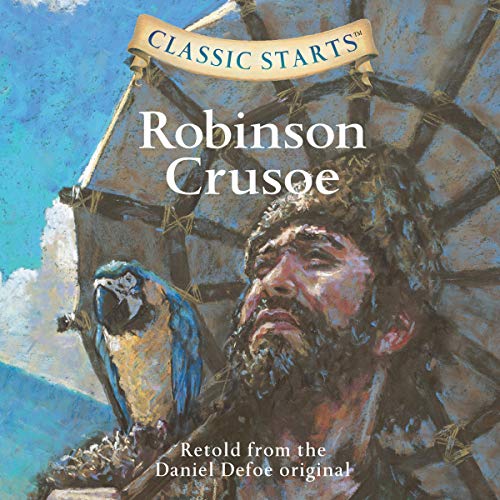
After spending "twenty-eight years, two months, and nineteen days" in complete isolation, the narrator finally decides to leave his island sanctuary. Accompanied by his loyal companion, Friday, he packs only the most symbolic relics of his survival: "my goatskin hat, my umbrella and my latest pet parrot." This departure on December 19, 1686, marks the end of a transformative era, transitioning from a life of primitive survival back into the complexities of human civilization.
Reclaiming a Changing World
Upon returning to England by June of the following year, the narrator experiences the profound dissonance of a time traveler. Walking through the streets of York, he notes, "I couldn't believe how much had changed in the last 35 years." The town had grown larger and busier, serving as a stark reminder of the passage of time. The realization of his parents' death brings a somber tone to his homecoming; while he "didn't really expect them to be alive," the finality of their loss highlights the permanent scars left by his long absence from society.
Restoration in Brazil
Driven by a mix of curiosity and unfinished business, the narrator travels to Brazil in April 1688 to inspect his former plantation. The passage of time had claimed many of his "friends and old business partners," but he finds solace in his reunion with Wells, an old friend who had flourished in his absence. The narrative arc of his economic success is completed when his plantation is "restored to me," allowing him to sell it and secure a "very good profit." This restoration serves as a symbolic closing of the chapter on his early, ambitious life as a planter.
Seeking the Father’s Wisdom
Perhaps the most poignant aspect of his return is the narrator's shift in perspective regarding his future. Having survived the harsh realities of the deserted island, he finds himself longing for the "peaceful, quiet life" that his father had originally envisioned for him. He acknowledges that he is now in his "golden years" and expresses a desire to finally embrace the stability he had spent his youth running away from.
Conclusion: The End of an Era
The journey concludes with the narrator and Friday preparing for their final voyage back to England. The narrative ends on a note of anticipation, suggesting that while the story of his island exile is complete, the "adventures" of his life are far from over. This return is not merely a physical relocation; it is a psychological reconciliation with his past, his heritage, and the quiet existence he once took for granted.

Deep Learning with ListenLeap


