
[A Decade of Survival: Mastering Sustenance and Solitude]-[Robinson Crusoe - Part 22]
📋 Summary
The Shift from Hunter to Farmer
After ten years of isolation, the protagonist reaches a critical juncture: "the gunpowder was running out." This scarcity forces a fundamental shift in survival strategy, moving away from the volatile nature of hunting toward the stability of domestication. The narrator recognizes that relying on a finite resource is unsustainable, necessitating a transition to agriculture and animal husbandry to ensure a consistent food supply. The goal is clear: "If I could tame them, I would always have food."
The Trials of Domestication
The process of capturing goats is not immediate, highlighting the persistence required in a survival situation. Initial attempts are met with failure; the "trap would be tripped, but there would be no animals in sight." It is only after three days of trial and error that the narrator succeeds in capturing "three kids." The strategy involves careful preparation, such as setting up a "nice hedge around the plot" near the summer home to ensure the animals would not escape. By feeding them "corn and rice" directly from his hands, the narrator builds trust, eventually allowing them to "roam free over the meadow" once they are sufficiently tamed.
Building a Sustainable Ecosystem
Over the next few years, the narrator’s efforts pay off, transforming his environment into a self-sustaining "growing farm." The integration of a harvest, fruit trees, and a thriving goat flock provides a reliable source of "meat and milk." This success marks a transition from mere survival to a form of primitive prosperity. The narrator notes with satisfaction that "all in all, things evolved as they should," indicating a mastery over his immediate surroundings. Beyond food, the goats also provide essential resources, as he notes he "made more clothes from goatskin," further solidifying his self-reliance.
The Psychological and Physical Toll of Time
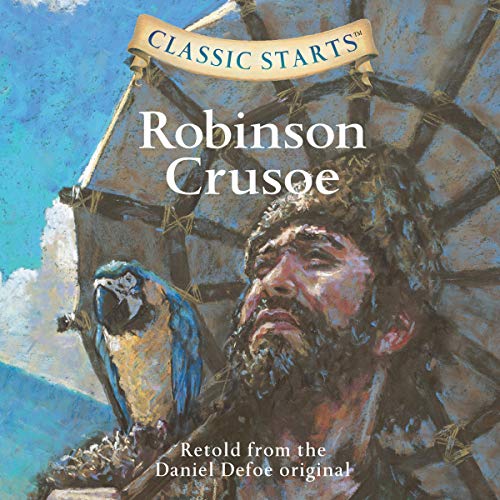
Despite the material successes, the passage of time leaves an indelible mark on the narrator’s identity. He reflects on his appearance after a decade as a "castaway," describing himself with "long hair and a long beard" and skin that was "red and burnt." His attire, consisting of "goatskin clothes and a big floppy hat," serves as a visual testament to his isolation.
Furthermore, the psychological weight of his confinement remains profound. He admits that even though he thought about it "all the time," he "never did get back in that boat." The fear or hesitation to approach the vessel suggests that while he has mastered the island, he remains mentally tethered to his status as a prisoner of his circumstances. The companionship of Paul provides some relief, though the death of his animal companion, Shippy, underscores the loneliness inherent in his existence. Ultimately, the narrator reaches a state of indifference regarding societal norms, noting that he didn't know "anything about what was fashionable back home," concluding that such concerns "didn't really matter" when there was no one on the island to see him.

Deep Learning with ListenLeap


