
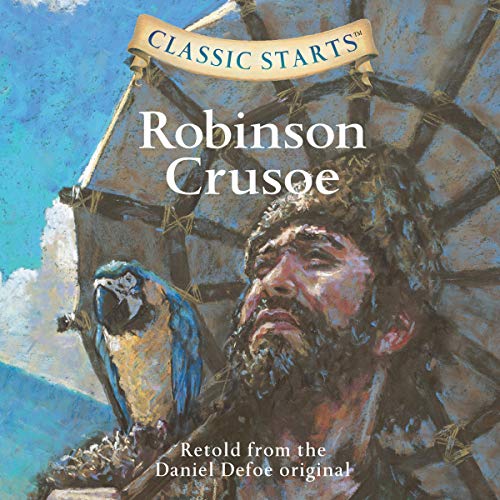
[The Allure of Adventure: A Turning Point in Plantation Life]-[Robinson Crusoe - Part 10]
📋 Summary
The Foundation of Prosperity and Companionship
In this chapter, the narrator reflects on a transformative two-year period spent establishing his plantation. Initially, the focus was on subsistence, as the crops "yielded little, mainly food for me and my staff to eat and stay healthy." However, the narrator’s industrious nature eventually led to a promising outlook. During this period of development, the narrator formed a significant bond with his neighbor, a Portuguese-born man of English descent named Wells. Their relationship was characterized by mutual growth, as both their farms "developed at pretty much the same speed," positioning them both to become successful owners of "sugarcane plantations."
Their friendship extended beyond mere agricultural cooperation; they engaged in intimate conversations during long walks, discussing their pasts, futures, and personal histories. The narrator recalls a moment of vulnerability where he confessed to feeling like "a man stuck on a deserted island," yearning for his parents. This connection provided a sense of stability, and the narrator admits that he had truly created a "good life"—one that was "happy and safe" and on the trajectory toward becoming wealthy.
The Internal Conflict: Prosperity vs. Restlessness
Despite achieving the stability he had worked for, the narrator confesses a profound sense of dissatisfaction. He possessed "a good working farm, money, [and] friends," yet these material gains were insufficient to quell his restless spirit. He notes that "deep in my heart, I knew these feelings would soon take over common sense," revealing an internal battle between his rational mind and his "foolish desire for excitement."
This psychological conflict is central to the narrative, as the narrator observes that his need for thrill often "got the better of me." By frequently recounting his past "adventures at sea" to local plantation owners, he inadvertently cultivated an environment that would lead to his own undoing. His stories grew more elaborate with each telling, eventually capturing the imagination of his peers who were driven by the "opportunity for them to become even richer."
The Fatal Decision and the Cycle of Self-Destruction
Driven by the prospect of a voyage to Africa, the narrator makes a choice he acknowledges is fundamentally flawed. He describes the process of organizing the expedition as something that, once started, moved "like a rock down a hill," leaving him "powerless to stop it." This segment of the story highlights a recurring theme in the narrator's life: the inability to heed his own judgment or the wisdom of his past. He explicitly states, "I had no need to increase my wealth. I had no need to change my life. I had no need for an adventure," yet he proceeds regardless.
Ultimately, the narrator characterizes himself as "my own destroyer." This self-awareness is striking, as he compares his current decision to the way he "refused to listen to my father all those years ago." The chapter concludes with the finalization of the voyage plans, the drafting of a will, and the delegation of his estate to Wells. By placing Wells in charge, the narrator demonstrates a paradoxical mixture of responsibility regarding his assets and reckless abandonment regarding his own safety, setting the stage for the inevitable consequences of his wanderlust.
Deep Learning with ListenLeap


