
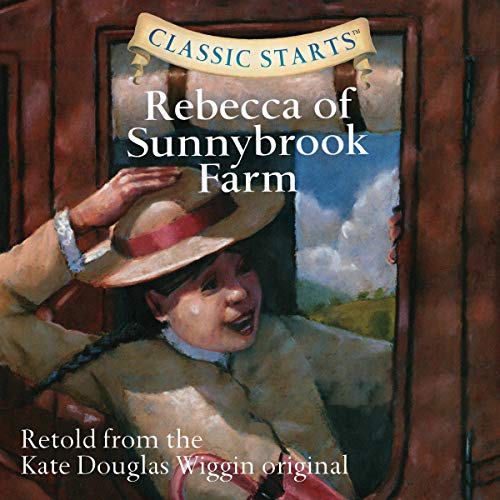
[The Perils of Daydreaming: Rebecca’s Lesson in Responsibility]-[Rebecca of Sunnybrook Farm - Part 09]
📋 Summary
The Perils of Daydreaming: Rebecca’s Lesson in Responsibility
The Cost of Distraction
Rebecca’s journey toward maturity takes a sudden turn when her penchant for imagination clashes with reality. Having earned the trust of her Aunt Miranda through diligent behavior at home and school, she is finally granted permission to visit the Cobbs. However, her tendency to get lost in her own mind leads to a significant mishap. While crossing a bridge, Rebecca becomes "struck by the beauty of the river" and begins "daydreaming about my new poem." This lapse in attention causes her to ignore the warnings of "wet paint" on the bridge, resulting in her "best dress" being ruined. This incident serves as a primary example of how her "daydreams lead to trouble," transforming a pleasant outing into a source of immediate anxiety.
Seeking Solace and Creativity
Upon discovering the damage, Rebecca seeks refuge with the Cobbs. Mrs. Cobb attempts to mitigate the disaster using "turpentine," "chalk," and vigorous "scrubbing." Throughout this process, Rebecca’s internal struggle is evident; she is terrified of how "Aunt Miranda is going to be so angry." Despite the looming consequences, the visit highlights Rebecca’s creative spirit. She finds comfort in her poetry, noting that she "loves words and how they sound together." Her ability to compose verses "into my head" provides a temporary escape from the reality of her stained clothing, showcasing her artistic temperament even in the face of impending discipline.
The Self-Imposed Penance
When the dress remains permanently "ruined" and stained despite the Cobbs' best efforts, Rebecca faces the inevitable confrontation with Aunt Miranda. As expected, there is a "considerable amount of trouble," and she is banned from Alice Robinson’s birthday party. Rather than wallowing in self-pity, Rebecca displays a surprising level of introspection. She decides she must "teach herself a lesson for being so careless" by sacrificing her "dearest possession": her precious parasol. In a dramatic act of self-discipline, she chooses to "fling" the parasol into the well, believing that this act of renunciation will help her become a "much better girl."
The Unintended Consequences of Virtue
Rebecca’s attempt at moral correction leads to an unexpected logistical disaster. By throwing the parasol into the well, she inadvertently sabotages the household’s water supply. The "ivory hook" of the parasol catches in the well’s gear, causing the mechanism to jam. When Aunt Miranda discovers the source of the blockage, the situation shifts from a personal lesson into a family crisis. The irony is not lost on Aunt Miranda, who remarks, "There’s no sense in punishing the whole family by making us drink ivory dust from broken parasols."
Conclusion
This chapter illustrates the tension between Rebecca’s vivid, poetic imagination and the practical demands of daily life. While her intentions to improve her character are sincere, her methods—driven by impulsive, dramatic gestures—often exacerbate her problems. Ultimately, Rebecca learns that growth requires more than just symbolic sacrifices; it requires constant mindfulness and an understanding of how her actions ripple outward to affect those around her.

Deep Learning with ListenLeap


