
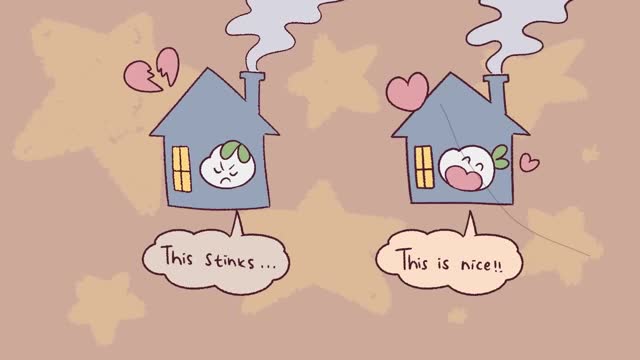
[The Psychology of Home: Why Preferring Solitude is a Strength, Not a Flaw]-[The Psychology of People Who Love Staying At Home]
📋 Summary
The Psychology of Home: Finding Strength in Solitude
In a culture that constantly celebrates social output and visibility, the preference for staying home is often unfairly labeled as "lazy," "antisocial," or a "flaw." However, psychological research suggests that for many, this inclination is not a deficit, but a sophisticated way of regulating the nervous system and nurturing a rich inner life. Far from being a sign of withdrawal, staying home can be a powerful act of self-preservation and creative incubation.
The Optimal Arousal Theory
At the core of why some people crave home more than others is the Optimal Arousal Theory. People have different thresholds for stimulation. Those who feel drained after social outings are not "fragile"; rather, they are sensitive to input. Every sound, conversation, and social cue requires the brain to process information. For these individuals, the outside world is "overstimulating," keeping the nervous system in a constant "monitoring mode." Home acts as a sanctuary where the system can "drop out of monitoring mode and return to baseline," providing the necessary space to regulate the nervous system.
Environmental Control and Safety
Beyond biology, the appeal of home lies in the ability to control one's environment. In public spaces, one must constantly adjust to the volume, lighting, pace, and social rules of others. For those with sensory sensitivities, anxiety, or a history of emotional unpredictability, this lack of control is draining. At home, the absence of the need for "scanning" or "performing" allows the body to register safety. This environment eliminates the need to stay alert for what might happen next, allowing for true rest.
The Productivity of Stillness
There is a misconception that time spent at home is time wasted. In reality, solitude is often where creativity is incubated. Low-stimulation environments provide the mind with the space to "wander, connect ideas, and process emotions." This explains why inspiration often strikes during quiet moments, such as in the shower or during a slow morning. Those who enjoy solitude are often highly "introspective" and "creative," as they use their time at home to engage in deep internal work that is impossible in a noisy, fragmented environment.
Distinguishing Preference from Coping Mechanisms
It is vital to distinguish between staying home as a restorative choice and staying home as a shield. For some, home is a refuge from social anxiety or past emotional wounds. The podcast encourages listeners to ask: "Do you stay home because it restores you or because leaving feels heavier than it should?" While the outward behavior looks identical, one is rooted in "rest and enrichment," while the other may be a form of "protection and self-preservation." Recognizing this difference is key to self-awareness.
Valuing Depth Over Noise
Ultimately, preferring home is a valid way of relating to life that values "depth over noise and meaning over momentum." It does not mean one dislikes people; it means one is "selective" about connections, favoring the real over the "performative." By protecting their "attention, energy and emotional bandwidth," those who prefer home are not avoiding life—they are curating it.
When staying home is intentional, it ceases to be a personality quirk and becomes a strength. It is a way to ensure that one remains "deeply connected to yourself" in a world that often demands we constantly give our energy away. By embracing this preference without judgment, individuals can foster a life of clarity, creativity, and profound self-awareness.
Deep Learning with ListenLeap


