
[The Rise of Polymarket: Navigating the Intersection of Prediction Markets, Regulation, and Mainstream Adoption]-[Polymarket Is Back In The U.S. — What To Know About Prediction Markets]
📋 Summary
The Evolution of Polymarket: From Regulatory Exile to Mainstream Integration
The Mechanism and Utility of Prediction Markets
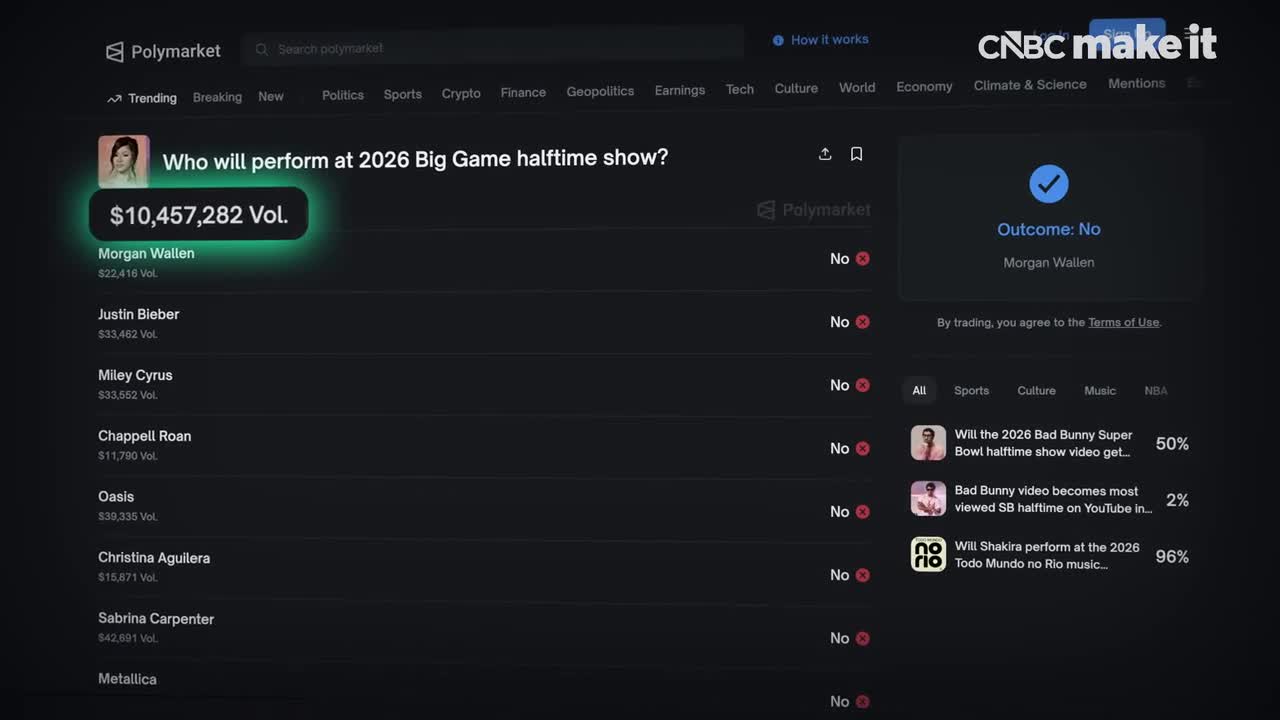
At its core, a prediction market is a platform where "bettors put money behind" their beliefs regarding future events. Whether it is predicting the "next Fed chair" or the "Super Bowl halftime show" performer, these markets aggregate decentralized human judgment. Proponents argue that this "crowdsource data" offers a unique advantage over traditional polling or individual expert analysis. By attaching financial stakes to outcomes, these platforms capture a level of conviction that standard surveys often miss, providing insights that are "uniquely useful" even for non-participants who simply want to understand market-based probabilities.
The Regulatory Rollercoaster
The journey of Polymarket has been defined by extreme volatility in its legal standing. In 2022, the Commodity Futures Trading Commission (CFTC) "fined the company 14 million" for failing to obtain proper registration, effectively forcing the platform to "block US users." This period of exile highlighted the tension between emerging financial technologies and federal oversight.
However, the landscape shifted dramatically following the 2024 US election. With the change in administration, new agency leaders have adopted a stance that favors "emerging technologies, including crypto and prediction markets." The current regulatory philosophy has moved away from a "failure to act" or attempting to "ban things before a political election," toward a mission to ensure that "these markets flourish here in the US." This political pivot allowed Polymarket to re-enter the domestic market by "acquiring a smaller regulated and licensed options trading platform in 2025" and resolving investigations regarding past user activity.
Risks and Skepticism
Despite the excitement, the industry faces significant criticism. Financial advisors frequently warn that prediction markets are "gambling adjacent" and caution users that participating is "probably more of a hobby" rather than a sound "long term investment strategy." Critics emphasize that individuals should only use "money that you're really willing to lose."
Furthermore, structural concerns persist regarding market integrity. The risk of "insider trading" remains a point of contention—for instance, the potential for someone close to a performer, like "one of her dancers," to leverage private information to influence betting outcomes. As one attendee at a recent promotional event noted, while the branding is appealing, potential users often feel the need to "do a little bit more research" before engaging with these complex instruments.
Competitive Landscape and Future Outlook
The market for these platforms is becoming increasingly crowded. Established players like "Kalshi," which has been registered with the CFTC since 2020, are now facing competition from retail giants such as "Robinhood" and "Coinbase." These companies are diversifying their offerings to include prediction-based products, signaling a broader industry trend.
Looking ahead, the potential for growth is staggering. Research firm Eilers and Krejcik suggests that the industry could see "annual trading volumes of a trillion dollars by the end of the decade." Through attention-grabbing stunts—such as providing "free groceries" to New Yorkers—platforms like Polymarket are attempting to transition from niche tech experiments to household names. While they currently operate in a gray area between speculative hobbyism and serious financial utility, their rapid ascent from a "little piece of tech in their basement" to a "10 billion plus valuation" underscores a massive shift in how the public approaches information, speculation, and the future of market-based decision-making.
Deep Learning with ListenLeap


